
The Story
Why it exists.
The beginning
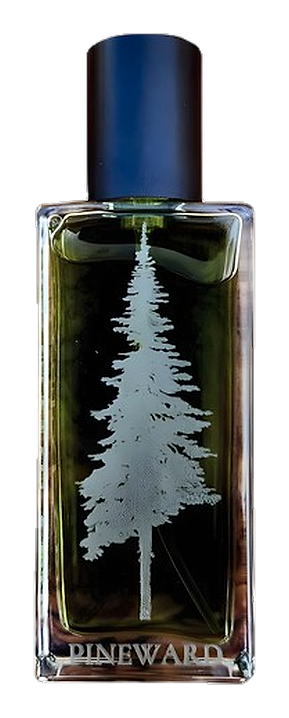
Gristmill by Pineward Perfumes is a fragrance about function. It takes the raw materials of woodworking, the sawdust and resin and smoke, and translates them into something that feels like being inside an active mill rather than a memory of one. The gristmill doesn't grind grain here. It grinds wood. The scent captures the honest character of timber in motion. There's sawdust in the air, carried on the humidity of fresh cuts. Resin seeps from the grain, sticky and aromatic. Smoke threads through from the fire pit nearby, mixing with the warm varnish of mahogany and the nutty depth of black walnut. This is the sensory reality of a working mill, translated without softening or abstraction. Every note serves the atmosphere rather than performing individually.
The sawdust opening is the tell. It's one of the most honest materials in perfumery, rarely used because it's too recognizable, too honest. But Nilsson uses it to anchor the composition in something real. Cedar arrives alongside, sharp and aromatic, providing structure. The heart layers multiple woods mahogany with its warm varnish quality, black walnut lighter and creamier, labdanum dark and resinous each contributing a different texture to what becomes a complex wood pile. The smoke doesn't arrive until later. It's not a smoky fragrance. It's a wood fragrance that earns its smoke.
The evolution
The opening arrives fast. Sawdust first, that bright clean smell of wood freshly cut, then cedar rounds it into something more tactile and real. Within minutes the sharper edges settle and the deeper woods emerge. Mahogany arrives with its warm varnish quality, black walnut lighter and nuttier, labdanum adding a dark resinous depth. The amber becomes more pronounced too, sweet and resinous, threading through the wood pile. Over the next several hours the sawdust fades and the composition shifts toward the smoke. Faint at first, like catching a breeze from a fire somewhere nearby, then more present as the woods settle and deepen. The drydown is where Gristmill earns its name. Cedar and labdanum linger on skin, warm and close, with the faintest trace of smoke that stays intimate rather than performative.
Cultural impact
Gristmill represents a specific approach to woody fragrances, one that prioritizes material honesty over polish. The sawdust note serves as the fragrance's calling card, immediately establishing the tone and inviting the wearer to engage with what follows. Pineward Perfumes built the house around capturing honest atmospheric scents rather than softening them into something more universally approachable, and Gristmill embodies that philosophy. The fragrance stands apart from more refined woody compositions by embracing the rougher textures of its materials. Sawdust doesn't pretend to be cedar. Smoke doesn't mask itself as incense.