
The Story
Why it exists.
The beginning
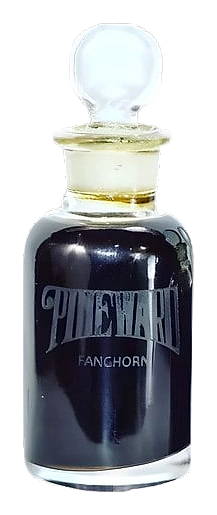
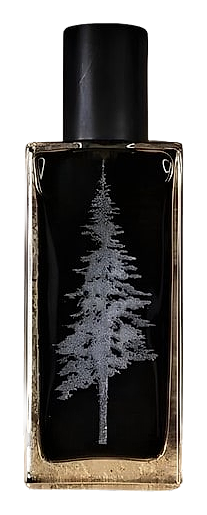
Nicholas Nilsson grew up surrounded by pine forests in Colorado's Rocky Mountains. Years of searching for fir perfumes that actually smelled like those mountains led nowhere, so he made them himself. Boreal is the fragrance of that first frozen moment before stepping into the trees. The mint captures the cold snap, the air that hurts to breathe. What follows is the forest itself: pine, cedar, moss. A walk in conifer country, bottled. Launched in 2020, it remains one of Pineward's most direct expressions of what the house does best, atmospheric realism, not abstraction.
The note pyramid is unusually honest here. Mint at the top doesn't mean a quick cameo, it's the signature, the thing that makes Boreal unmistakably itself. The heart stacks pine needles, cedar, moss, and resins into a composition that smells like standing inside a stand of trees after rainfall. What makes this work is the creaminess of the cedar, it softens the mint's bite without erasing it. Resins do resin things: they ground, they deepen, they make the whole thing feel like it's been here a while. The 29% concentration isn't marketing, it's the reason this lasts through an actual workday.
The evolution
The opening hits like stepping outside in sub-zero temperatures. Sharp mint, clean and almost antiseptic in its intensity, some compare it to mouthwash, and they're not entirely wrong. But within minutes, pine needles arrive. Cedar follows. The mint doesn't disappear; it transforms, becoming the cold air that surrounds the forest rather than dominating it. By hour two, the composition settles into something rounder. Moss and resins take over the conversation, creating that specific smell of forest floor, damp earth, sticky sap, the quiet persistence of growing things. The drydown is intimate. Conifer notes fade, but moss and resins linger close to skin for hours. What remains is the memory of a walk through pine trees, not the walk itself.
Cultural impact
Boreal occupies a specific corner of the conifer fragrance world, less smoky than turpentine-forward alternatives, less abstract than pine-scented candle compositions. It's American in character: fresh, mint-led, less medicinal or incense-like than some European counterparts. The small-batch approach and the brand's focus on atmospheric realism rather than commercial appeal has built a loyal following among people who actually spend time in forests.