The Story
Why it exists.
The beginning
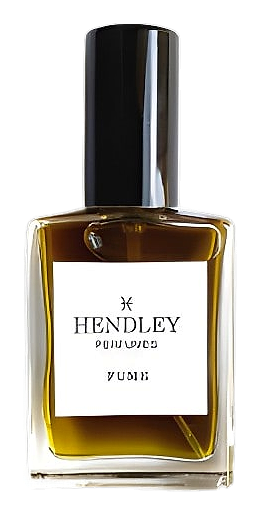
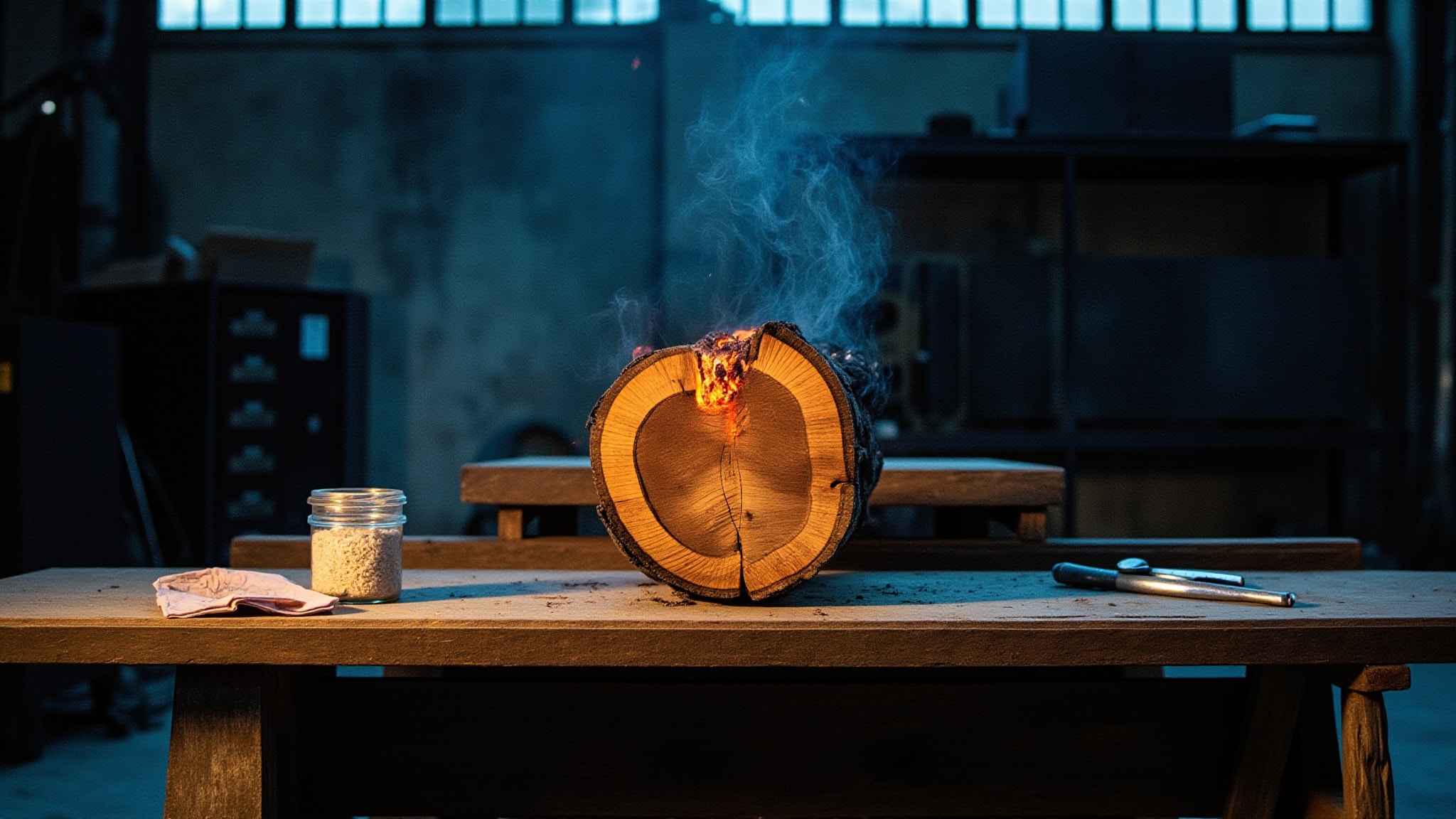
Hans Hendley grew up in eastern Texas near Louisiana, where his father built their family home from cedar wood on 75 acres of land. The cedar forests, the humid Louisiana air, the particular character of rural East Texas, these became the sensory references that would later surface in his compositions. Fume translates that connection to place into something more primal: not the cedar itself, but what happens when fire moves through it. The smoke. The soil beneath. The contrast between destruction and fertility.
Conifer resins and smoked tea form the foundation of Fume's structure, materials that carry both smoke and a certain medicinal clarity. Galbanum brings a green bite that cuts through the burn, preventing it from becoming one-note campfire. Vetiver and ruh khus ground the composition with an earthy depth that reads as soil rather than wood. Oakmoss and nagarmotha complete the chypre architecture, giving Fume its backbone, the structure that keeps the smoke from drifting away entirely.
The evolution
The opening hits fast. Galbanum's green sharpness arrives first, slicing through the smoke before it can overwhelm. Conifer resin and smoked tea build underneath, creating that forest floor layer, the smell of what's left after fire moves through. For the first thirty minutes, there's a tension between green clarity and smoky weight. Then the galbanum recedes. The heart opens into something resinous and deep. Vetiver and nagarmotha bring an earthy warmth that feels less like a campfire and more like standing in a forest at dusk, the light just barely holding. The smoke doesn't disappear, it transforms. Settles into the composition rather than rising above it. By hour four, the drydown arrives. Oakmoss takes over, and what remains is a mossy chypre that clings close to skin, not projecting, but present. The scent of smoke-soaked wool. Fertile soil. The memory of leather smeared with sap. Lasts 8-10 hours on most skin types, quieter in the final hours but never truly gone.
Cultural impact
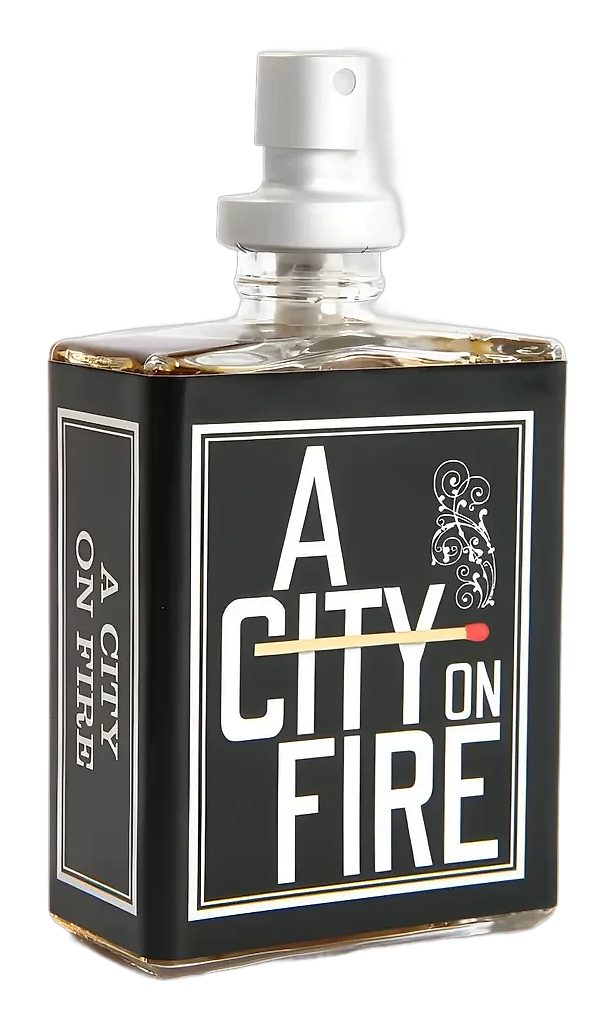
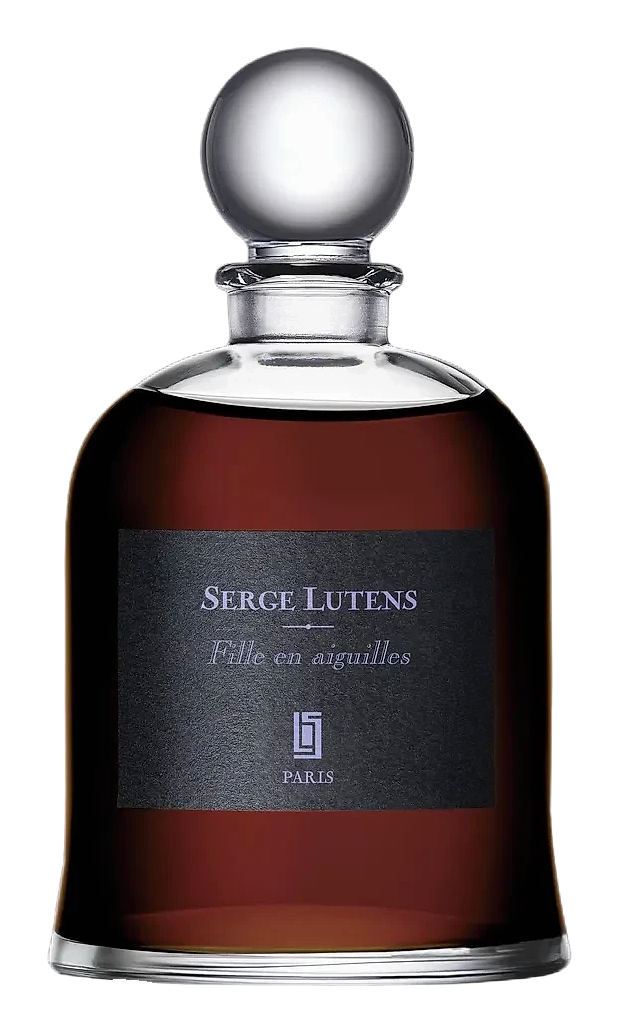
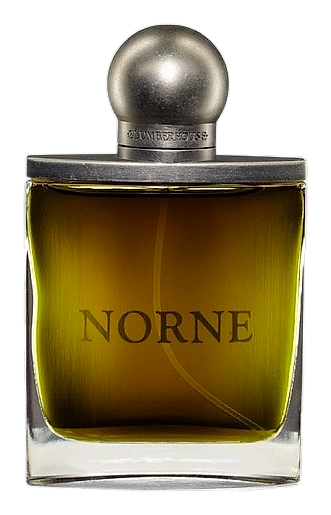
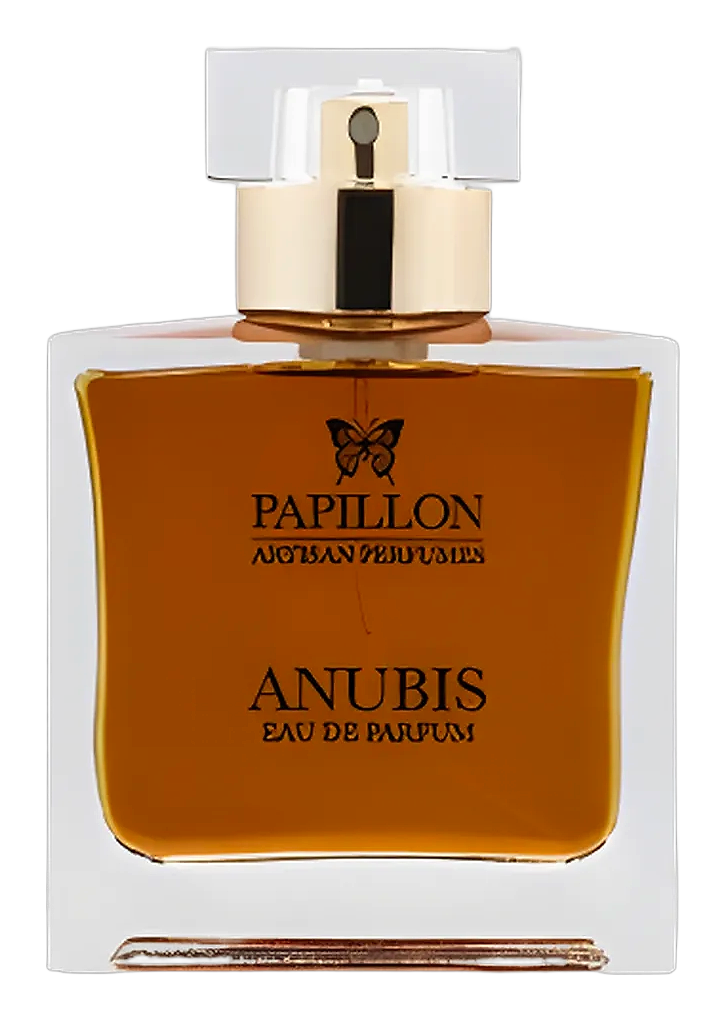
Fume occupies a specific corner of indie perfumery, the smoky chypre territory that larger houses rarely explore. Its closest peers include Norne by Slumberhouse, A City on Fire by Imaginary Authors, and Fille en Aiguilles by Serge Lutens. What sets Fume apart is its restraint. The smoke doesn't overpower; it breathes. Wearers describe it as the scent of someone who walks into a room and doesn't need to announce themselves. It's found a following among those who want something that smells like a place they've been, not a fantasy of one.