The Story
Why it exists.
The beginning
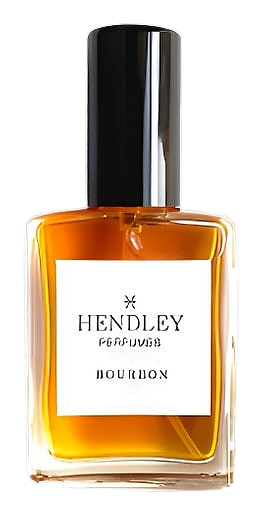
Hans Hendley grew up in eastern Texas near Louisiana, where his father built the family home from cedar wood on 75 acres of land. That upbringing, shaped by handcraft, natural materials, cedar forests, and humid Louisiana air, became the sensory foundation that would later surface in his perfumery work. Bourbon, launched in 2015, translates those early memories into an oak-aged amber composition that feels like vintage accords and house-made tinctures, a pre-prohibition spirit distilled into scent form.
What makes Bourbon's note structure distinctive is the interplay between genuine booziness and the woody-animalic depth underneath. Cognac and bourbon vanilla create a warm, rich sweetness, but the castoreum and oakmoss add an animalic dimension that keeps it from being a comfort scent. The roasted oak and guaiac wood provide a smoky, resinous foundation that makes the drydown feel like something that was actually aged. The result is resinous, woody, animalic, and smoky, a fragrance that commits to its concept.
The evolution
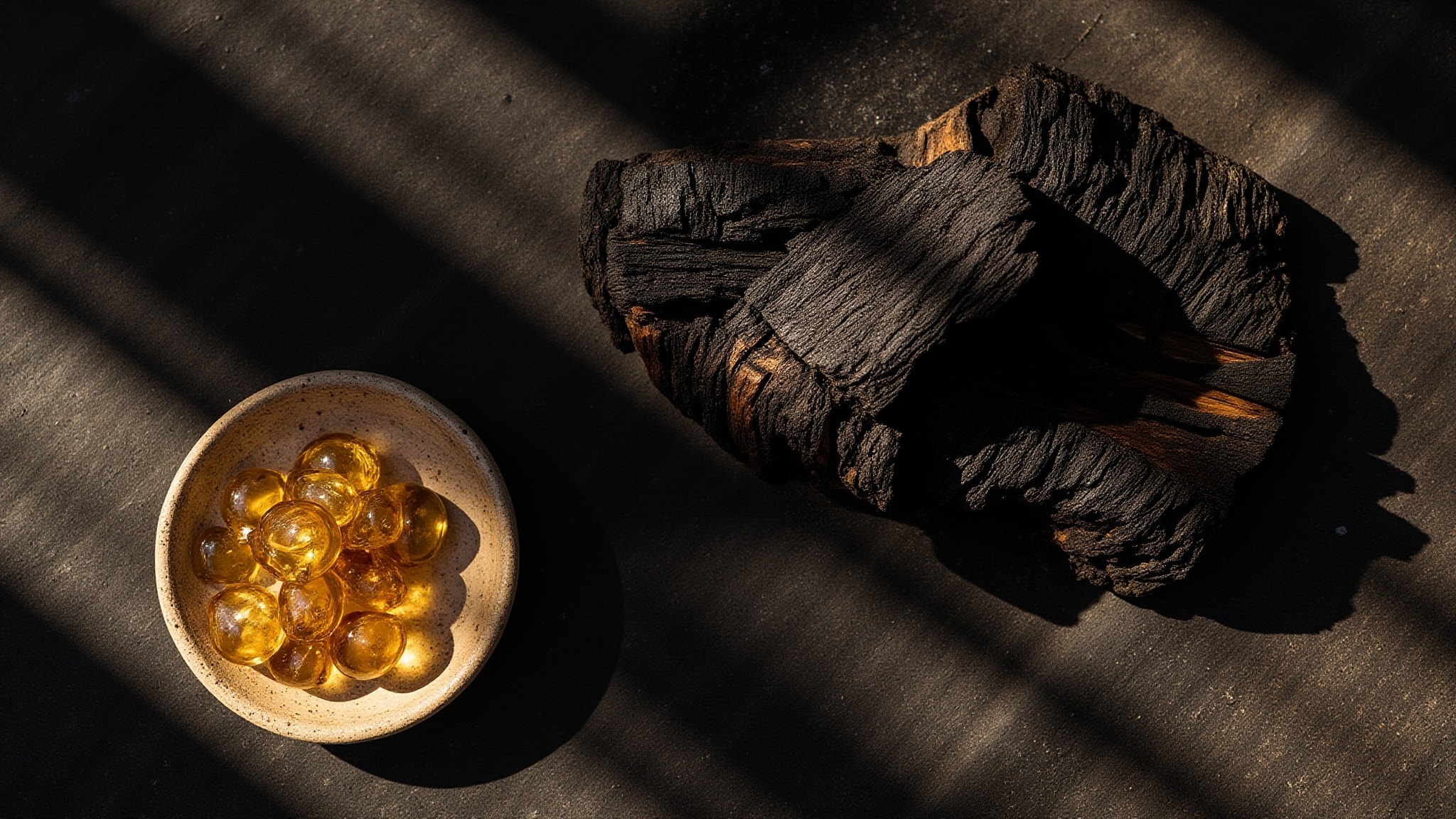
The opening arrives with bergamot and orange peel, a brief citrus brightness that clears the air before the cognac arrives. Within minutes, the top notes give way to bourbon vanilla and the cognac oil shows its true character: warm, rich, genuinely boozy rather than sweet. Benzoin and labdanum layer in a leathery, resinous depth. Guaiac wood threads through the heart, adding a smoky, woody quality that bridges the opening and the base. The drydown is where Bourbon earns its name. Roasted oak and guaiac wood provide the smoky, woody foundation. Castoreum adds animalic depth, not aggressive, but present, like warmth rising from skin. Benzoin and tonka bean create a sweet, warm undertone that lingers close to the skin for hours. What surprises most people is that the smoky oak doesn't dominate immediately. It builds gradually, settling in alongside the vanilla and resin as the citrus fades. By the time the fragrance has fully developed, it smells like something that was actually aged in a barrel.
Cultural impact
Bourbon found its audience among wearers who wanted something that committed to its concept without compromise. The self-taught perfumer's approach, working without industry formulas in favor of something more personal, resonated with a growing community that valued authenticity over polish. The fragrance's combination of boozy warmth, smoky oak, and animalic depth positioned it apart from mainstream amber compositions, earning a loyal following among those who found something honest in its barrel-aged character.