Heritage
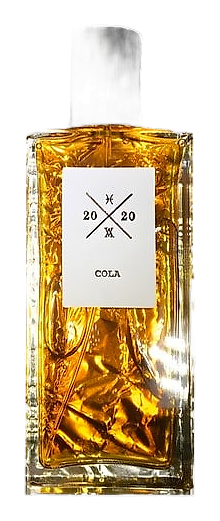
A house, in its own words
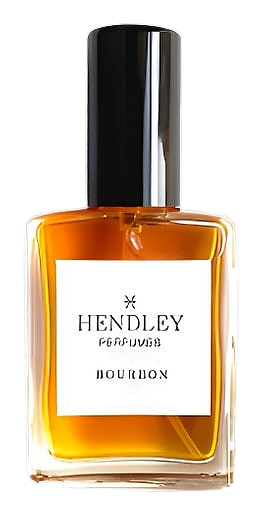
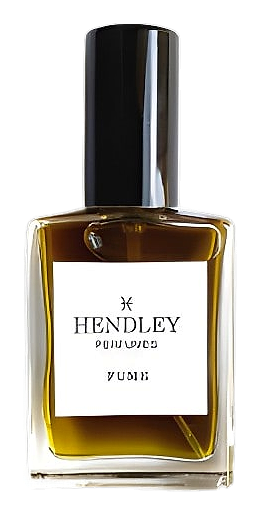
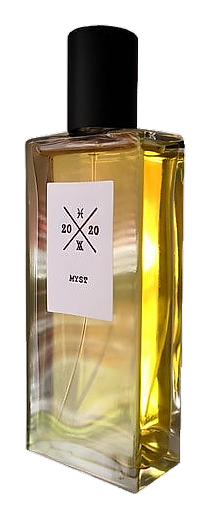
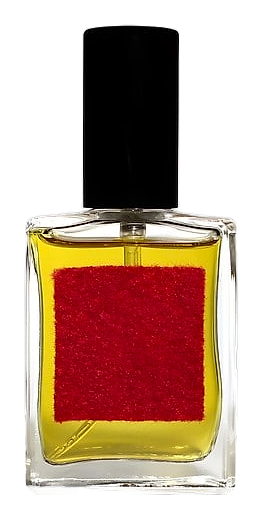
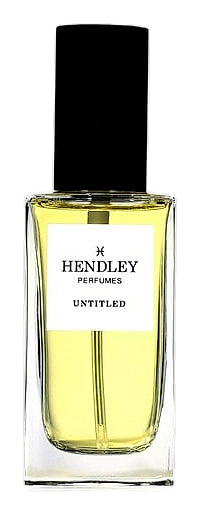
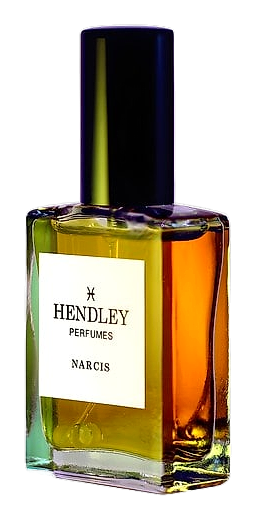
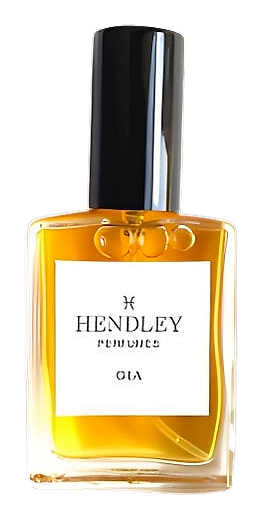
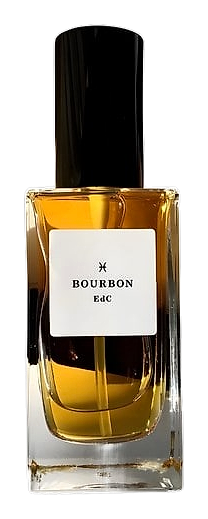
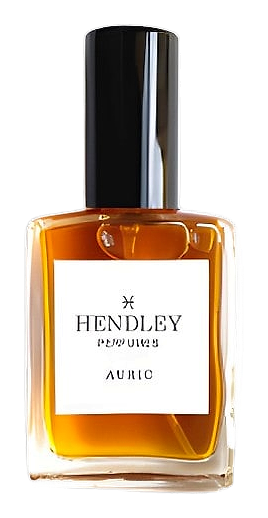
Hans Hendley grew up in eastern Texas near Louisiana, where his father constructed their family home from cedar wood on 75 acres of land. This upbringing, rooted in handcraft and natural materials, reportedly shaped Hendley's relationship with scent long before he ever considered perfumery as a practice. The cedar forests, the humid Louisiana air, the particular character of rural East Texas all became formative references that would later surface in his compositions. Hendley taught himself the craft of perfumery, building his knowledge through study and experimentation rather than formal training. He established the house in 2014, operating initially from Brooklyn, New York. The earliest documented fragrance from the house appeared in 2014, with subsequent releases emerging over the following years. By 2015, the house had released multiple fragrances including Bourbon, Gia, and Fume, establishing a pattern of releasing perfumes that explored bold, unconventional territory. The house has maintained its independence throughout its existence, with Hendley serving as sole perfumer and creative force. In interviews, he has referenced finding antique perfume bottles and vintage fragrance references during travels, including reportedly discovering an unopened bottle of Houbigant's Idéal from 1900 in a Moscow antique store, noting how it had survived nearly ninety years intact. This interest in historical perfumery coexists with his commitment to creating something distinctly his own. By 2020, the house had expanded to include at least ten distinct fragrances spanning different years of creation, with new work continuing to emerge. The growth has been organic, driven by the perfumer's own creative impulses rather than industry trends or commercial pressures. Hendley's approach to perfumery rejects the conventional separation between fine fragrance and unexpected scent experiences. He works without formal training, which means his compositions often sidestep expected industry formulas in favor of something more personal. The house name itself connects directly to the creator, reinforcing that each fragrance carries an individual perspective rather than a brand aesthetic dictated by committee. The fragrances consistently explore bold territory. Cola (2020) and Tobacco Cider (2019) suggest edible, almost industrial scent experiences that challenge what perfume can be. Bourbon (2015) and its follow-up Bourbon Eau de Cologne (2020) demonstrate a sustained engagement with spirit-inspired themes. The existence of a fragrance called Fume (2015) speaks to an interest in smoky, atmospheric qualities. Hendley reportedly believes in the expressive power of raw materials used without compromise. The marketing language around artisan perfumery often invokes quality as a vague superlative, but the actual philosophy here appears more specific: an insistence on working with materials in ways that honor their essential character rather than masking or diluting them into acceptability. This stance explains the sometimes challenging nature of certain releases. The house operates outside major fragrance awards circuits and industry recognition structures. This position is reportedly by choice rather than oversight, allowing Hendley to pursue creative directions that might not fit industry categories or expectations.