The Story
Why it exists.
The beginning
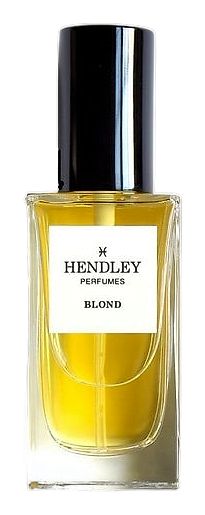
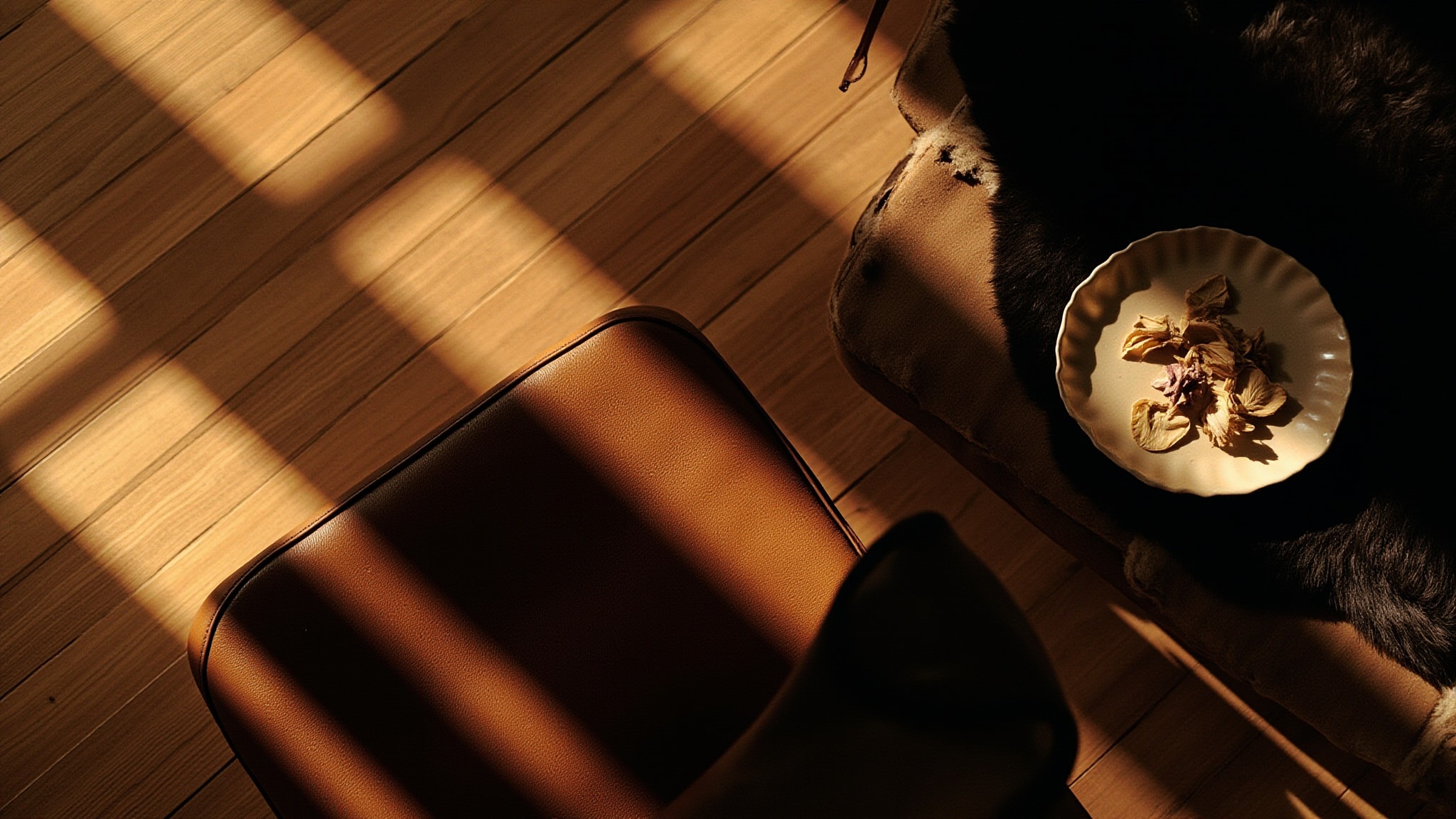
Blond arrived in 2018, late in Hendley's first decade of fragrance-making. The name echoes Serge Lutens' Daim Blond, same osmanthus, same iris, same sueded territory, but this is not a copy. Hans Hendley went his own way with it, building something softer, fruitier, less austere. The brand's own copy calls it "Panoramic Nostalgia. Disappearing Horizon. Velveteen Drift." That phrasing tells you everything about the intent: something hazy and warm and impossible to pin down. Blond is about the moment light turns golden and everything blurs at the edges.
The osmanthus here is absolute, expensive, apricot-tinged, faintly tea-like, and it does something unusual in the opening. Melon adds a cool, almost aqueous sweetness that makes the whole thing feel translucent at first. Then the iris arrives, powdery and rooty, and suddenly the softness has structure. Suede wraps around both like a buffer, keeping the florals from reading as delicate. It's the combination that makes Blond feel intentional rather than accidental: sweet fruit, dusty powder, soft leather, each element keeping the others from going too far.
The evolution
The opening lasts longer than expected, osmanthus and melon hold the stage for a good forty minutes, hazy and luminous. Then the suede emerges, not as a replacement but as a companion. Iris and jasmine layer in, creamy and white, and the whole thing thickens into something plush and impressionistic. The drydown is where ambergris does its work: animalic warmth, close to skin, the kind of smell that stays intimate rather than announcing itself. On fabric, the suede lingers into the next day. In humid air, it blooms. In dry climates, it pulls leaner but never thin. Six to eight hours, depending. Then a whisper of musk that doesn't quite disappear.
Cultural impact
Osmanthus has deep roots in Chinese culture, where it symbolizes nobility and romance, traditionally associated with the Mid-Autumn Festival and romantic poetry spanning centuries. Its appearance in Western perfumery represents a fascinating cross-cultural exchange, bringing an ingredient once confined to Eastern traditions into the global fragrance lexicon. Blond stands at the intersection of these traditions, offering Western audiences an entry point into osmanthus that feels accessible rather than exotic. The fragrance contributes to the broader trend of florals that reject the synthetic and overly sweet, instead embracing nuance and restraint.