The Story
Why it exists.
The beginning
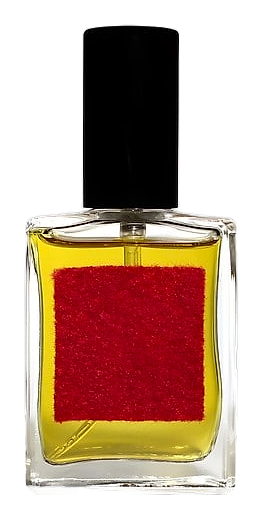
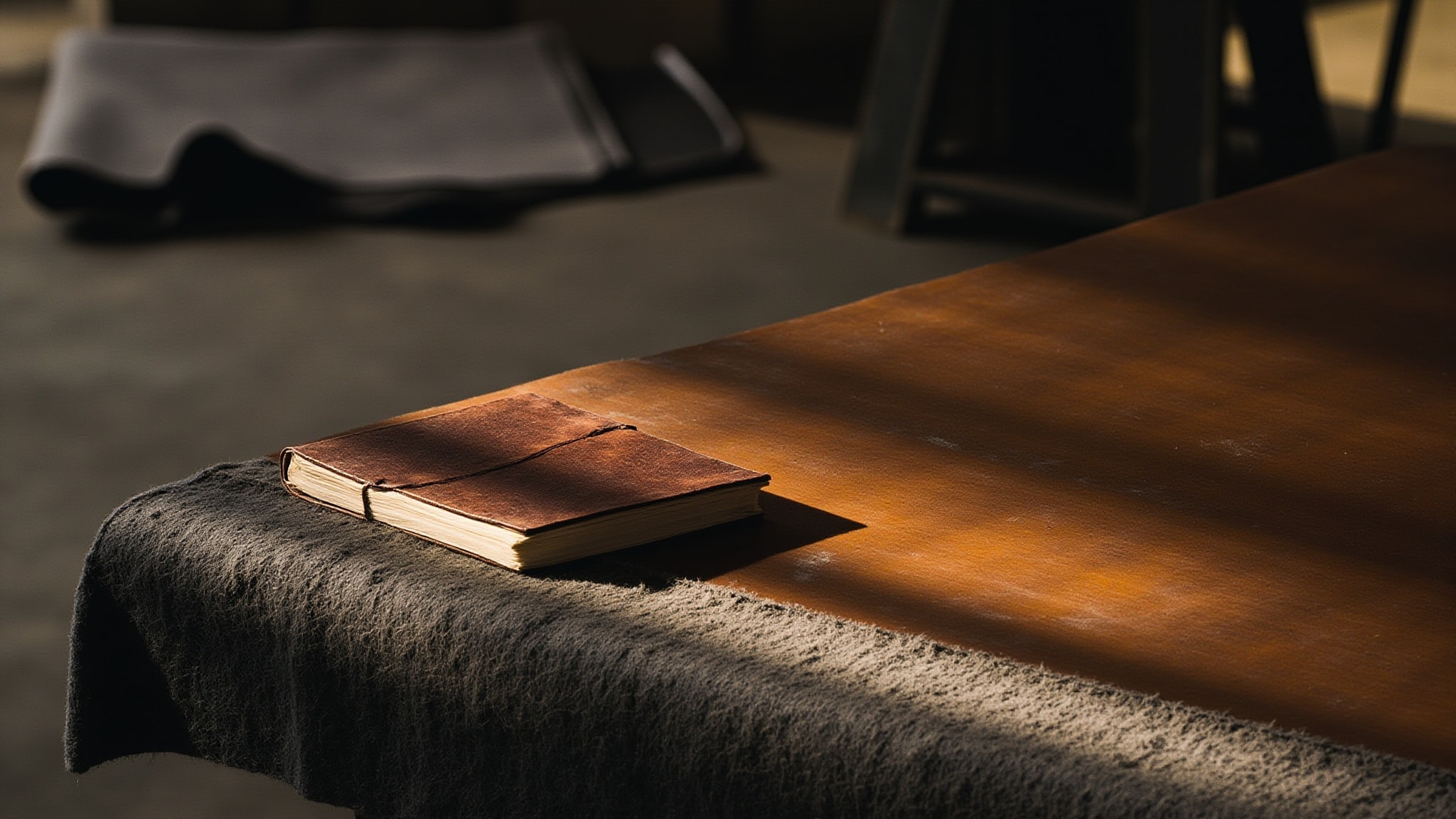
Hans Hendley released Felt in 2019 as part of a small batch of experimental compositions. The name suggests material, felt, the dense wool fabric, but the fragrance itself reads as emotional territory. Hendley's self-taught approach means nothing here follows expected formulas. Balsamic vinegar as a top note isn't a accident or a stunt. It reads as a genuine conviction about what the opening should feel like. Wool gives it texture. Leather gives it weight. The rest follows from there.
The unusual opening notes aren't a trick, they're a thesis. Balsamic vinegar brings acid and tang where most fragrances reach for citrus or herbs. Wool is literally the smell of the material, animalic and slightly dusty. Together they create an opening that reads more like memory than perfume. This is what Hendley does: takes familiar materials and bends them into something personal rather than commercial.
The evolution
The balsamic vinegar lifts first. Twenty minutes in, the wool settles and the leather reads worn, not new, the difference between a store shelf and an inherited object. The incense and spices arrive together: nutmeg, cardamom, something smoky underneath. For the next two hours, this lives in a resinous middle space, warm, a little sweet, always shifting. The base is where Felt earns its name. Fir balsam dominates, with benzoin and opoponax underneath, sweet and animalic at once. Patchouli and musk anchor everything. On fabric, this lingers into the next day. On skin, plan for eight to ten hours.
Cultural impact
Felt is for the wearer who wants fragrance to mean something beyond smelling pleasant. This is autobiography in bottle form, a self-taught perfumer working without brand committees or market research. The 33-bottle production run means scarcity isn't marketing; it's reality. The audience is small, but what they share in return is genuine enthusiasm rather than passive acceptance.