Opoponax Absolute
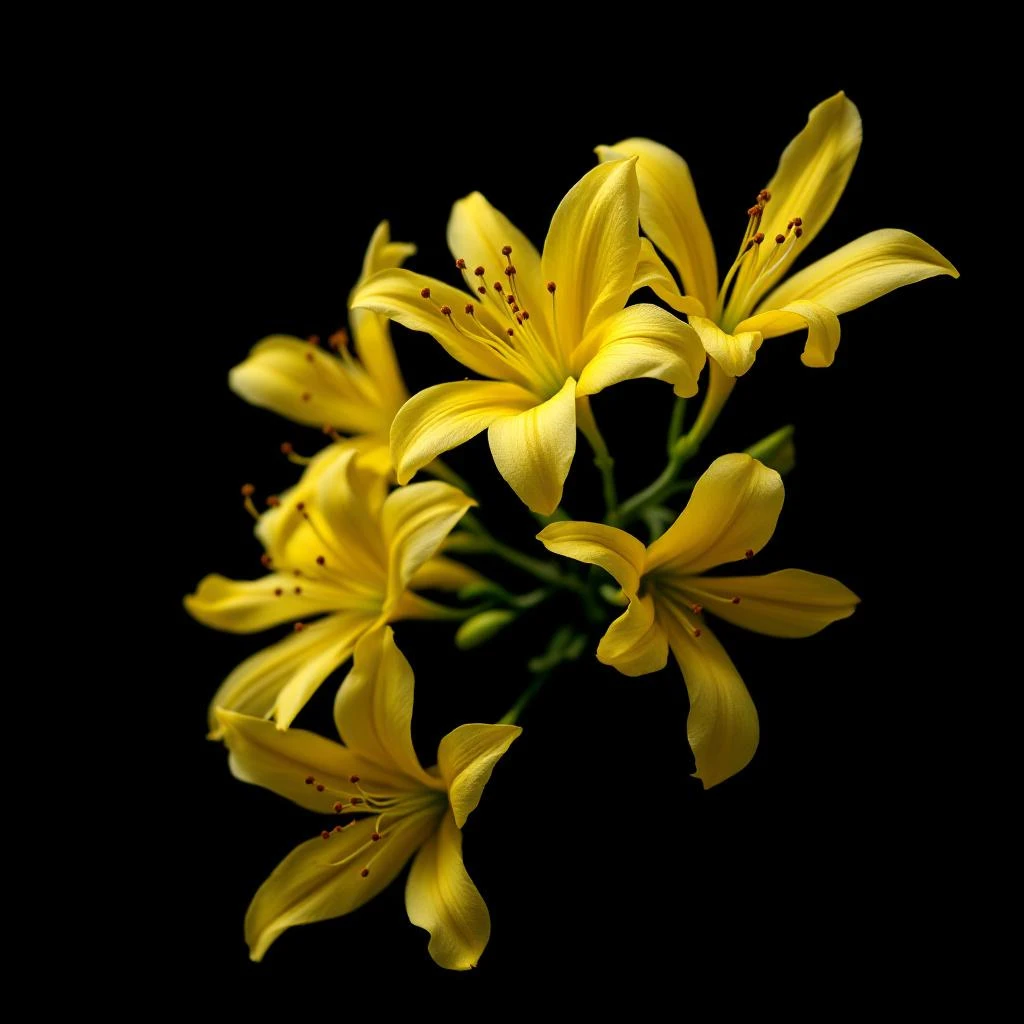
Opoponax Absolute is a warm, resinous material derived from the Commiphora erythraea tree native to the Horn of Africa. Known as "sweet myrrh," it blends balsamic sweetness with honeyed warmth and subtle spiced-wood undertones, creating a velvety, enveloping presence in fragrance compositions.
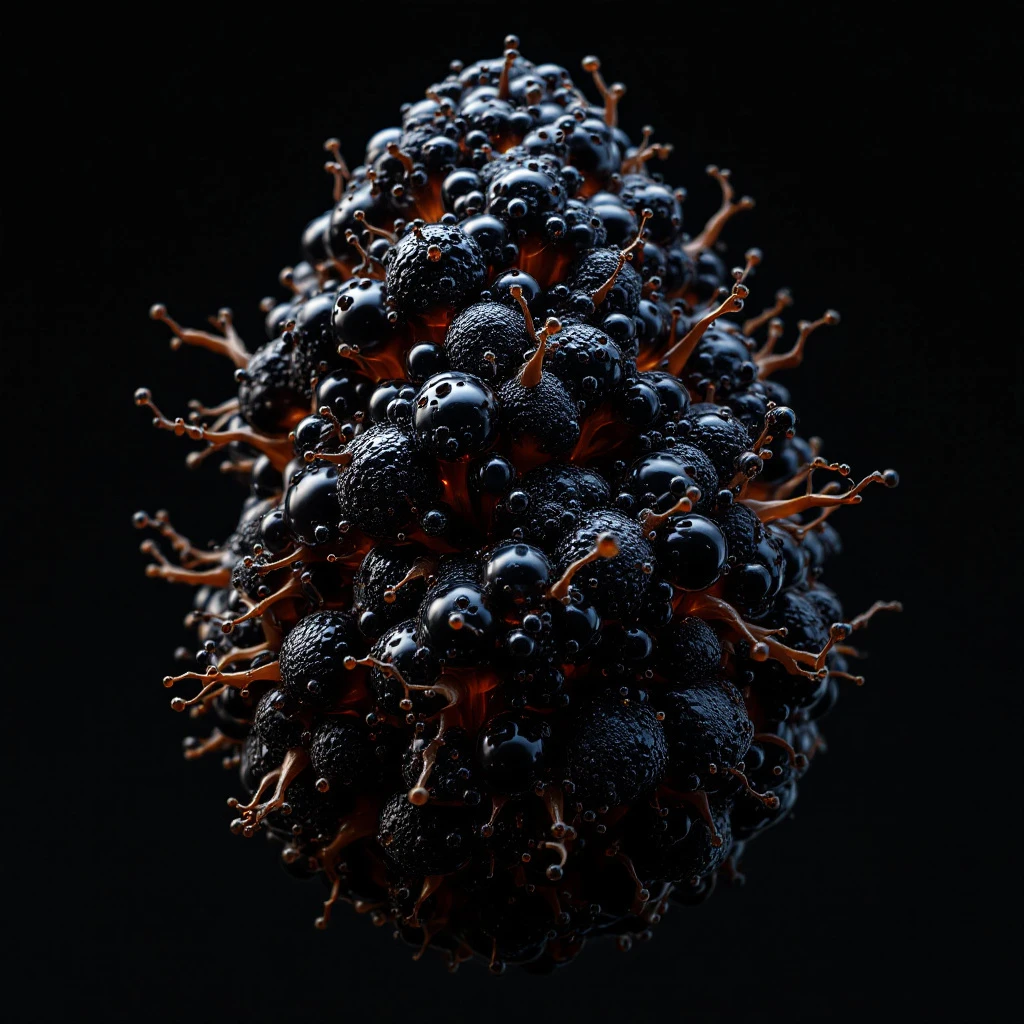
Character
How it smells
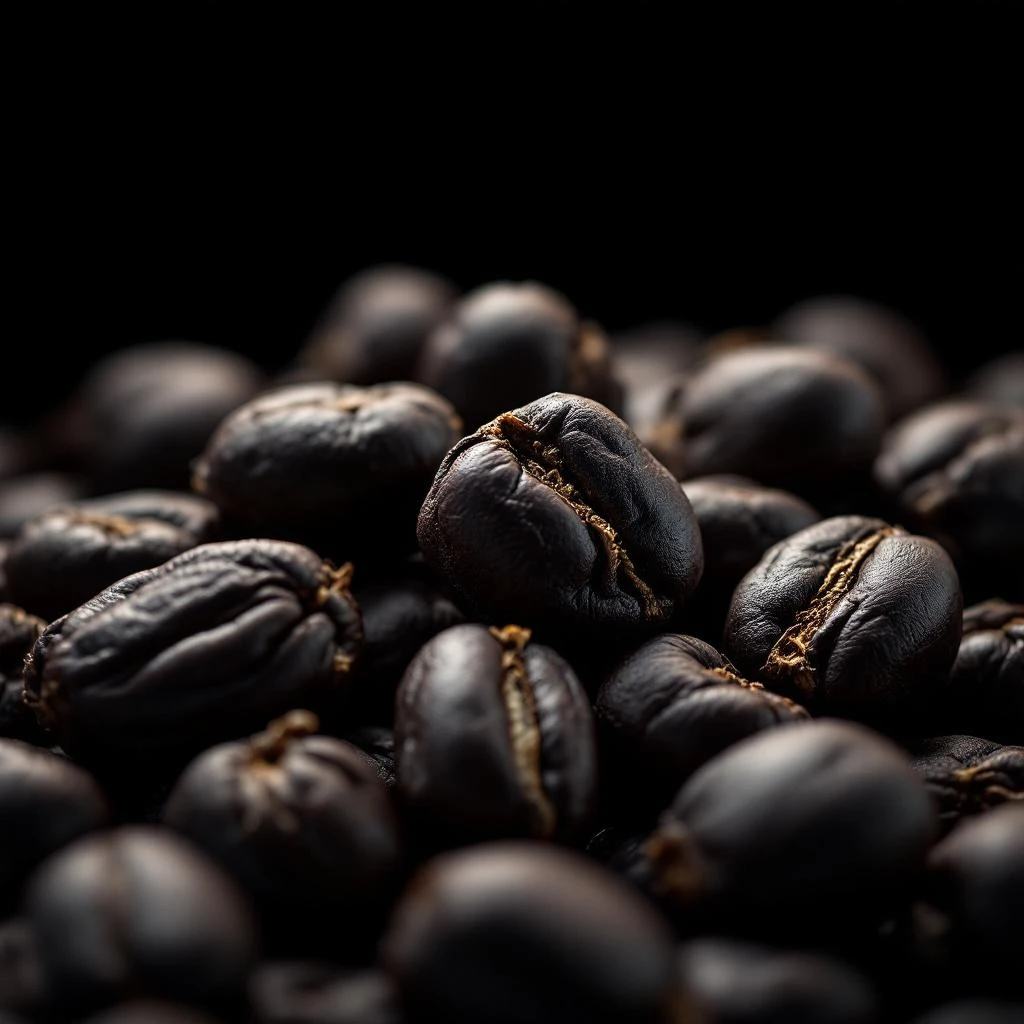
Sweet myrrh warmth, ancient and enduring.
Somalia has exported opoponax since ancient times, where it carries the traditional Somali name habbak haddi.





Origin
Somalia
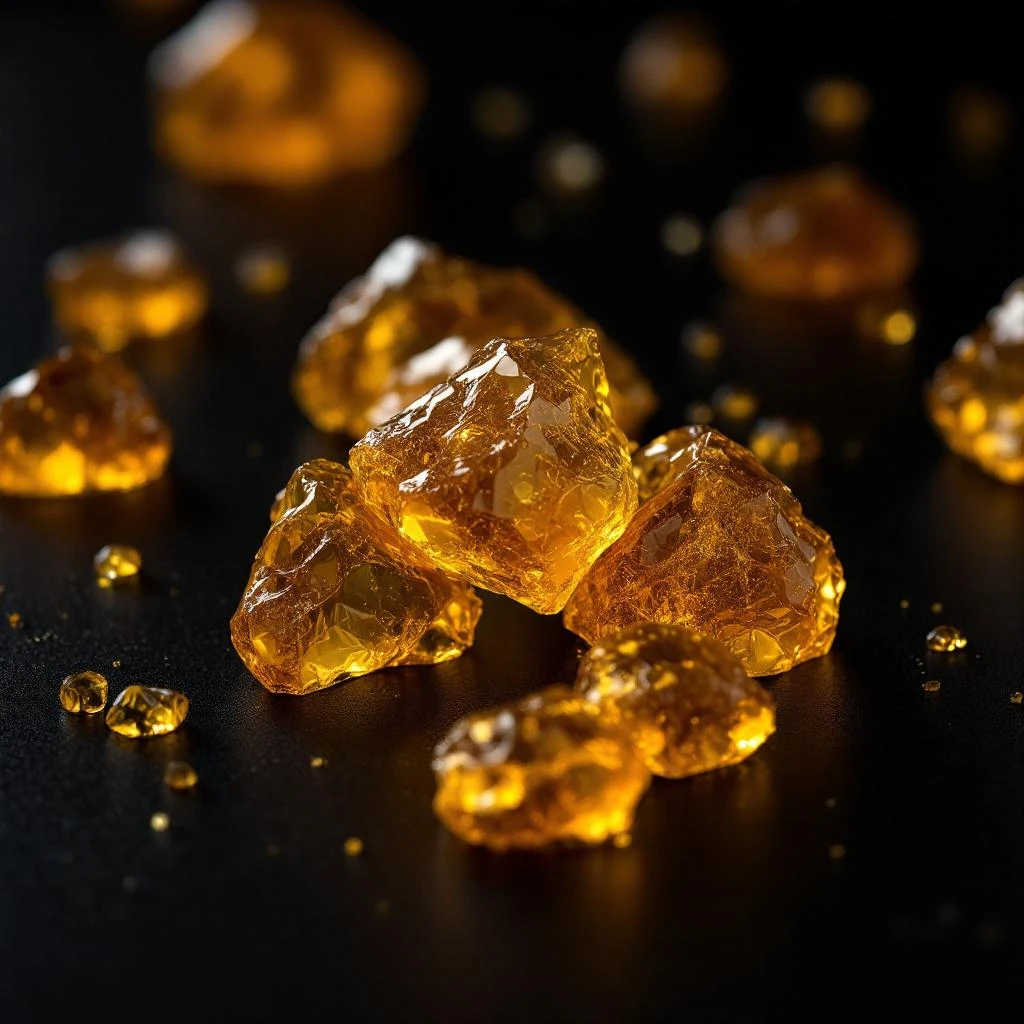
Opoponax has been a cornerstone of trade and ritual in the Horn of Africa since antiquity. Somali merchants transported the resin across the Arabian Peninsula and Mediterranean world, where it ranked among the most prized aromatic materials alongside frankincense and myrrh. Ancient texts describe it in ceremonial incense and medicinal preparations.
The material gained particular prominence in 19th-century European perfumery when chemist Septimus Piesse created "Bouquet Opoponax" in 1864, one of the first perfumes to highlight a single ingredient as its primary theme. This marketing approach influenced how perfumers positioned ingredients as distinct characters rather than background elements. Throughout the 20th century, opoponax continued appearing in classic chypre and oriental compositions, lending its characteristic warmth to foundations and providing textural depth that other materials could not replicate.
Today it remains a signature note in formulas seeking to evoke timeless elegance and sensory depth.
Wears it best
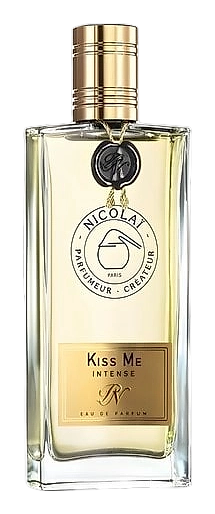
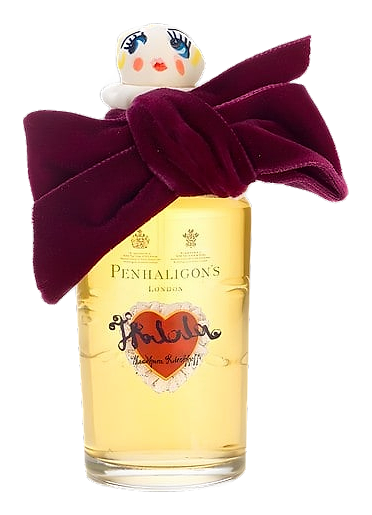
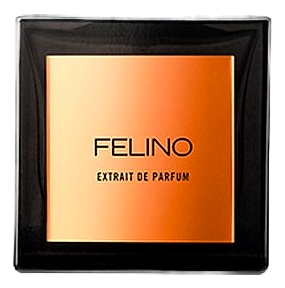
Fragrances featuring Opoponax Absolute
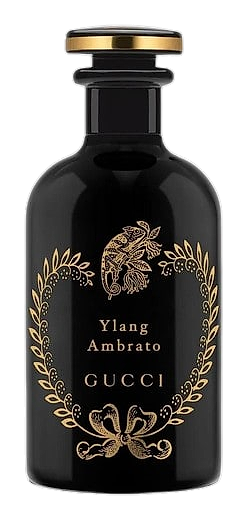
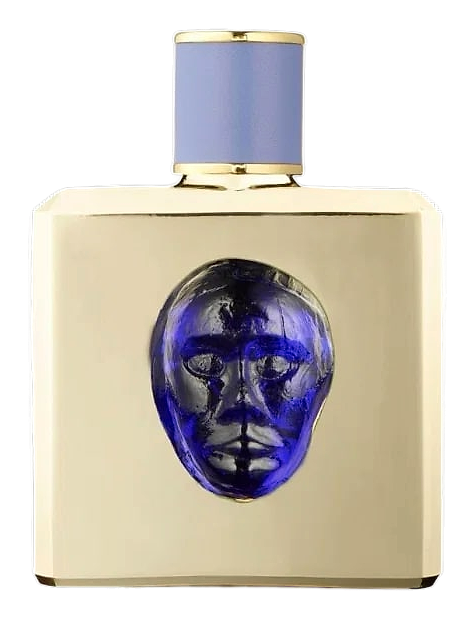
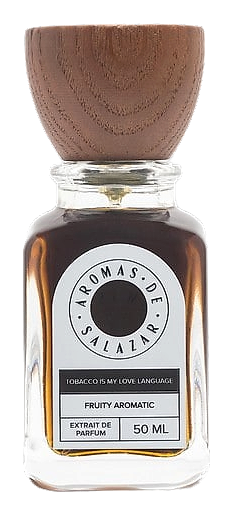
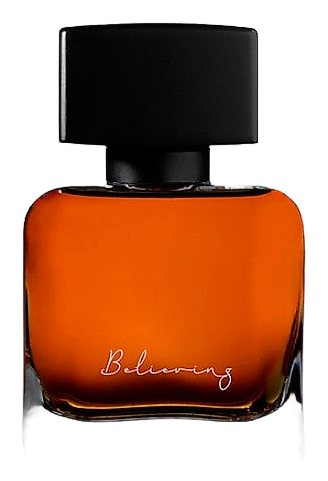
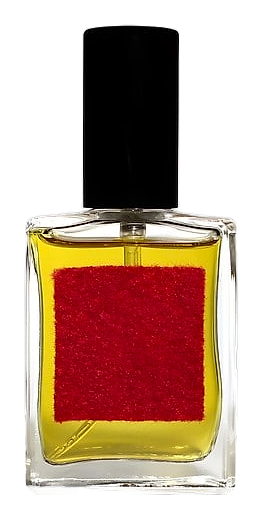
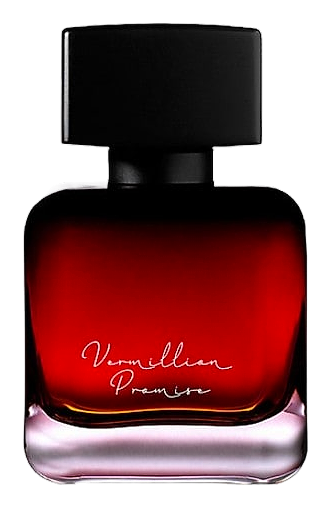
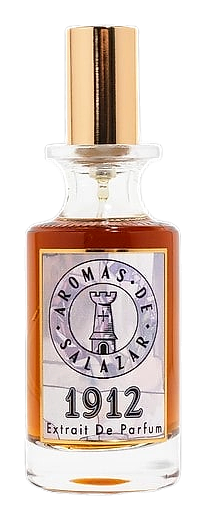

Brands
Brands known for Opoponax Absolute
Good to know
Questions, answered
The essentials on Opoponax Absolute in perfumery: how it smells, where it comes from, and how it behaves on skin.
What does opoponax smell like?
Opoponax delivers warm, balsamic sweetness with honeyed and vanilla-like qualities. It carries subtle spiced-wood undertones and a soft, powdery warmth that rounds fragrance compositions.
How is opoponax absolute produced?
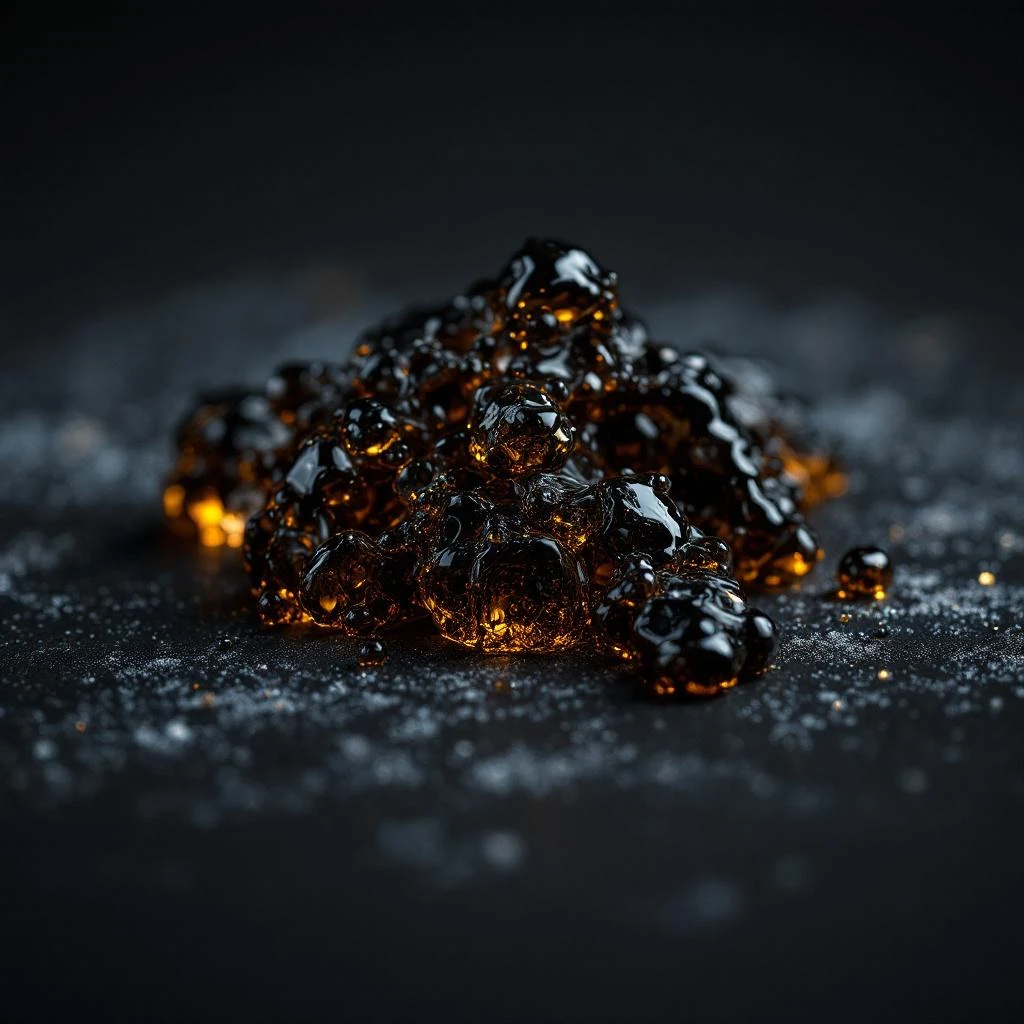
Harvesters collect the resin by wounding Commiphora erythraea bark, then process it through solvent extraction to create a resinoid before alcoholic treatment yields the final absolute.
Where does opoponax originate?
Commiphora erythraea grows primarily in Somalias dry regions. The country has exported the resin since ancient times, where it carries the traditional name habbak haddi.
How is opoponax different from regular myrrh?
Opoponax earns its "sweet myrrh" nickname through honeyed, vanilla-like warmth that distinguishes it from the more bitter, medicinal qualities of true myrrh (Commiphora myrrha).
What fragrance families commonly feature opoponax?
Chypre and oriental fragrances most frequently incorporate opoponax. Its warm resinous character also appears in ambery and skin-base compositions where lasting warmth matters.
Is opoponax safe for skin use?
Opoponax absolute has received positive safety assessments through maximization tests and appears in IFRA standards. The SCCP confirmed its safe use in cosmetic and fragrance applications.
Can opoponax be combined with other resins?
Opoponax harmonizes well with frankincense, labdanum, and vanilla. These combinations amplify warm, ambery qualities and create richly layered fragrance foundations.
What makes opoponax a base note?
Opoponax projects low volatility and high substantivity, meaning it lingers on skin for hours. Perfumers employ it as a fixative that extends the life of lighter top and heart notes.