The Story
Why it exists.
The beginning
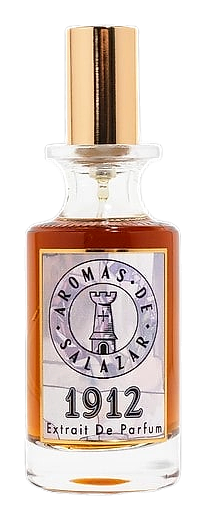
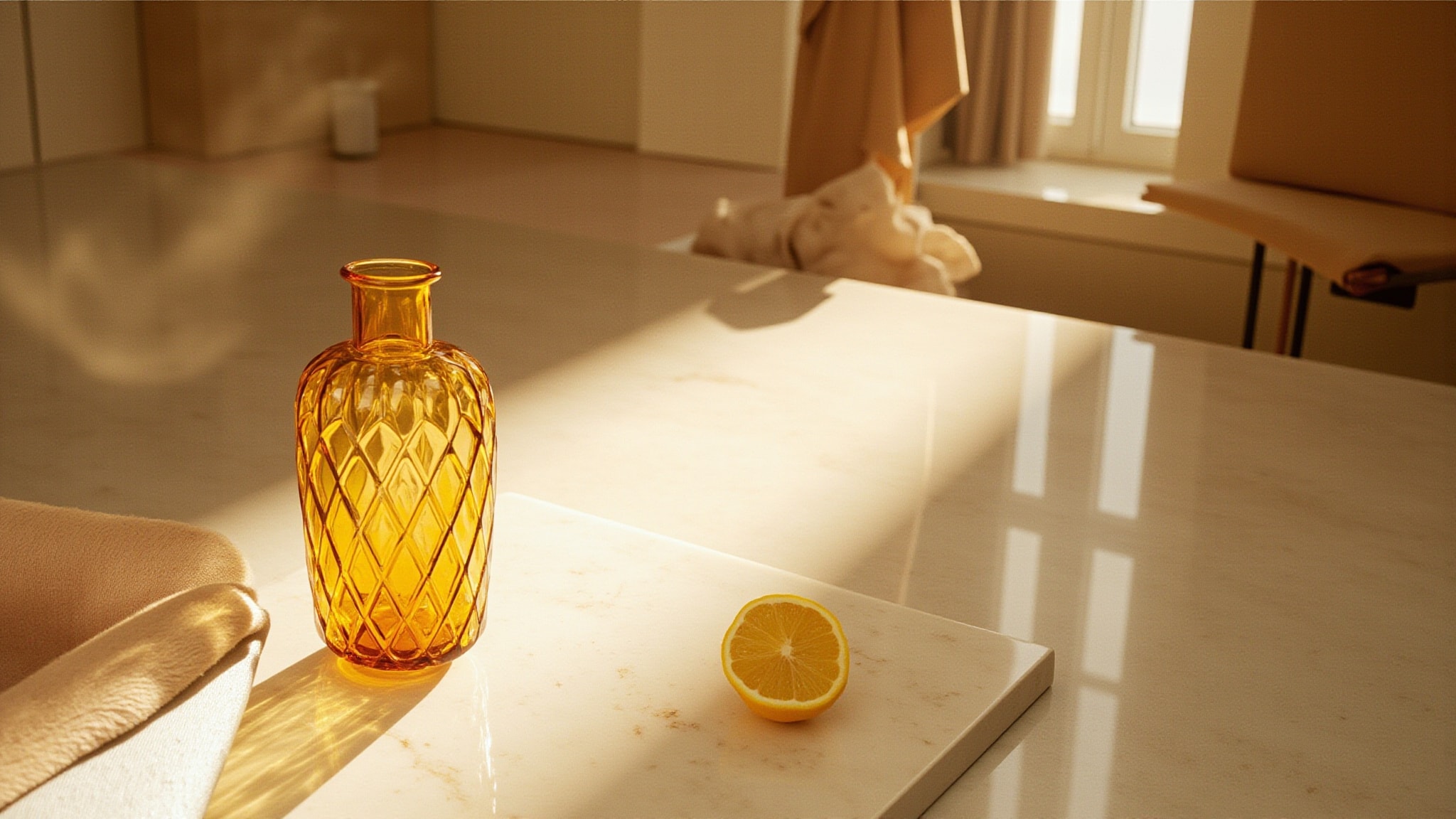
The name 1912 doesn't point to a particular event or figure. It points to a visual, the sepia-toned world of early 1900s amber florals, all velvet and warm light and rich materials layered without apology. Michael Salazar had been working toward this composition for some time, studying how those vintage structures held together: how the resinous warmth of labdanum and benzoin could anchor a heart of heliotrope and rose without suffocating either. The Vintage Collection is Aromas de Salazar's way of reaching backward without replicating, taking the architecture of an older perfumery language and rebuilding it with the materials and restraint of a modern indie house. 1912 is the result of that impulse. Not a recreation. A conversation across time.
What makes this composition unusual isn't any single note, it's the sheer density of the heart. Seven materials in the middle register: rose de mai, orange blossom absolute, heliotrope, tuberose absolute, hyacinth, violet, and iris. Most modern florals pick two or three and build around them. Salazar let all seven breathe together, which is either a masterful act of balance or controlled chaos. The result is a heart that reads as a mood rather than a list, powdery, slightly narcotic, unmistakably floral without being sweet. The amber base is what keeps it from floating away entirely.
The evolution
The first thirty seconds are the citrus telling you it's here. Italian lemon and bergamot arrive clean and direct, jasmine threading through them almost immediately, bright, green-stemmed jasmine, not the synthetic kind. By minute ten, the lemon recedes and the heart begins to take over. The powder comes up first: heliotrope and violet doing their soft work. Then the florals deepen, rose de mai arrives with a honeyed warmth, tuberose adds its characteristic fullness. This is the longest phase. It lasts two to three hours on most skin. The drydown doesn't arrive so much as settle. Benzoin, labdanum, and vanilla absolute arrive together in a warm, resinous finish that smells faintly like the memory of incense in a closed room, not heavy, but present. By hour five, what's left is amber, sandalwood, and a trace of powder on warm skin. The next morning, there's still something there: a faint warmth on fabric that doesn't smell like anything else you've worn.
Cultural impact
1912 enters a niche fragrance landscape that has rediscovered amber florals after a decade of oud, leather, and avant-garde compositions. Wearers describe it as the kind of scent someone wears when they know exactly what they want, not for attention, but for themselves. It sits comfortably in the tradition of powdery resin florals without the stuffiness that often comes with that territory, appealing to those who want warmth, complexity, and something that feels both old and entirely wearable.