Rose de Mai
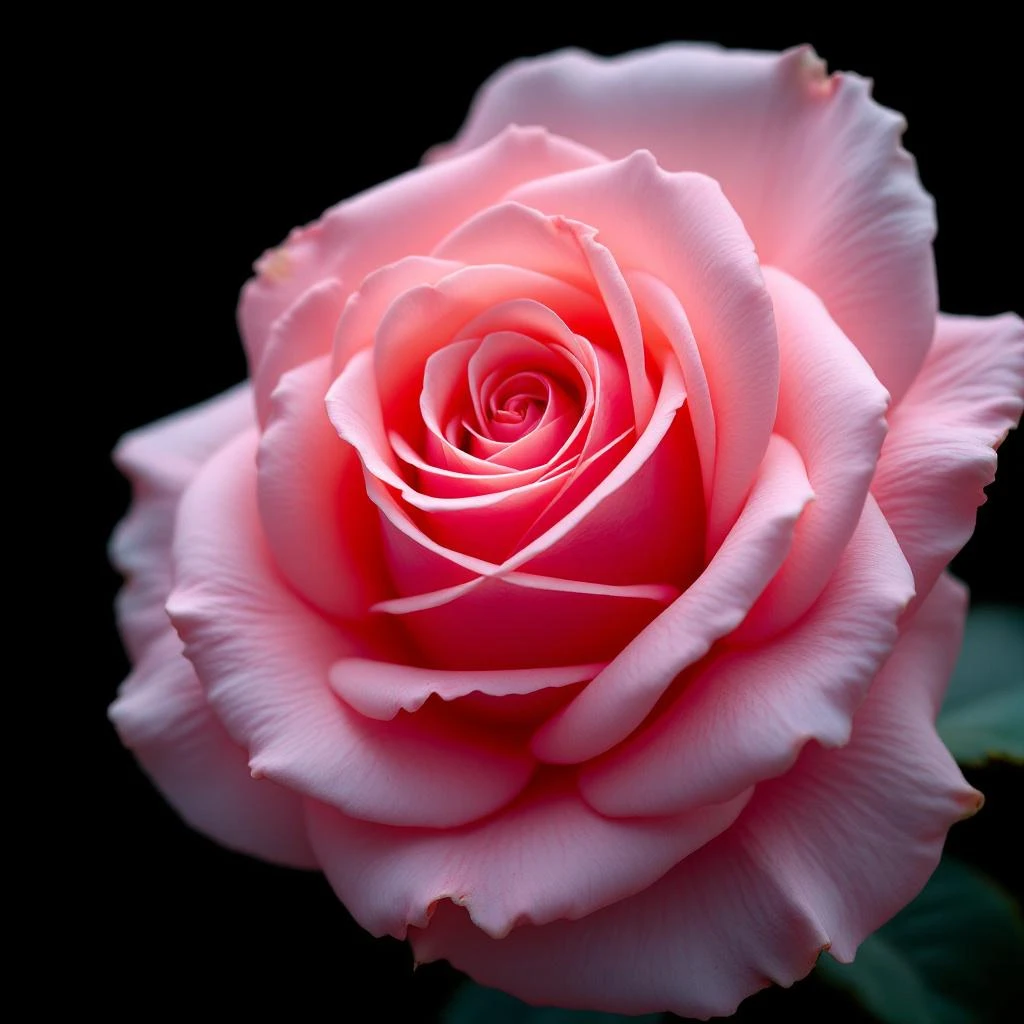
Rose de Mai is the incarnate essence of Rosa centifolia, harvested during a fleeting three-to-four-week window each May in Grasse, France. Picked at dawn when its fragrance peaks, this rose yields an opulent absolute prized by perfumers worldwide.
Character
How it smells
Three weeks. One bloom. A thousand fragrances.
One kilogram of Rose de Mai absolute requires approximately 3.5 metric tons of flower petals to produce.







Origin
France
Rosa centifolia found its definitive home in Grasse, France, where 16th-century cultivators began refining this particular rose variety for perfumery purposes. Local growers selected and crossbred Damask and Centifolia strains, developing the specific clone now recognized as Rose de Mai. By the late 1700s, Grasse had established itself as a global force in fragrance原料 production, with roses forming the backbone of this flourishing industry.
The region's Mediterranean climate combined with chalky soils created ideal growing conditions for Rosa centifolia. Small family holdings dotted the countryside, each dedicated to cultivating these particular roses with meticulous attention. When Chanel selected Rose de Mai as the floral heart of Chanel No. 5 in the 1920s, global demand soared and transformed Grasse's agricultural landscape permanently.
Yet this particular rose carries a heritage extending far beyond France. The earliest historical references to roses appear in Chinese and Sanskrit texts, documenting human cultivation of these flowers for rituals, medicine, and fragrance. Persian alchemists and physicians developed early distillation techniques around the 10th century, creating the first concentrated rose waters and oils.
Traditional rose oil production originated in Iran, where Persian artisans refined extraction methods that eventually spread to Bulgaria's Rose Valley, creating that region's legendary rose industry. Each cultivation area developed distinct chemotypes reflecting local soils, climate, and cultural knowledge. Rose de Mai specifically represents the French interpretation of this ancient botanical heritage, refined over centuries to perfect its particular aromatic expression.
Wears it best
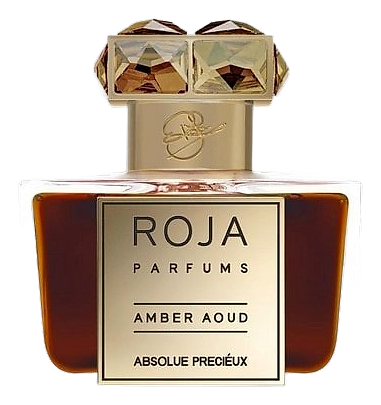
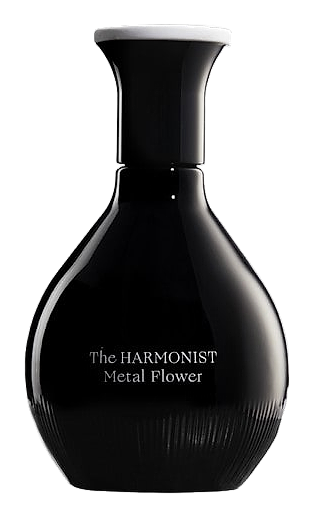
Fragrances featuring Rose de Mai
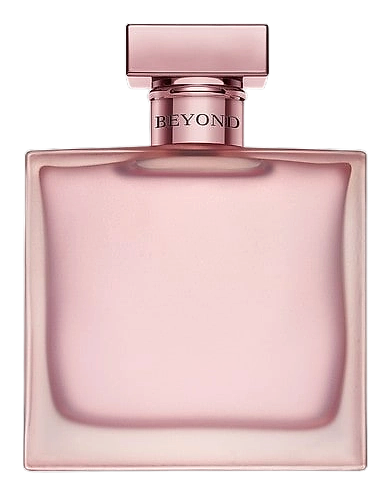
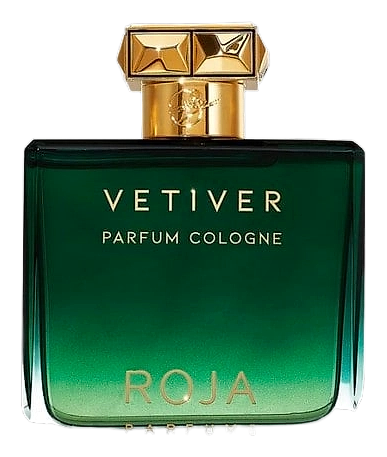
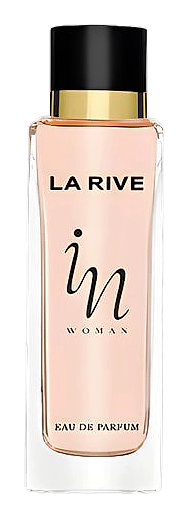
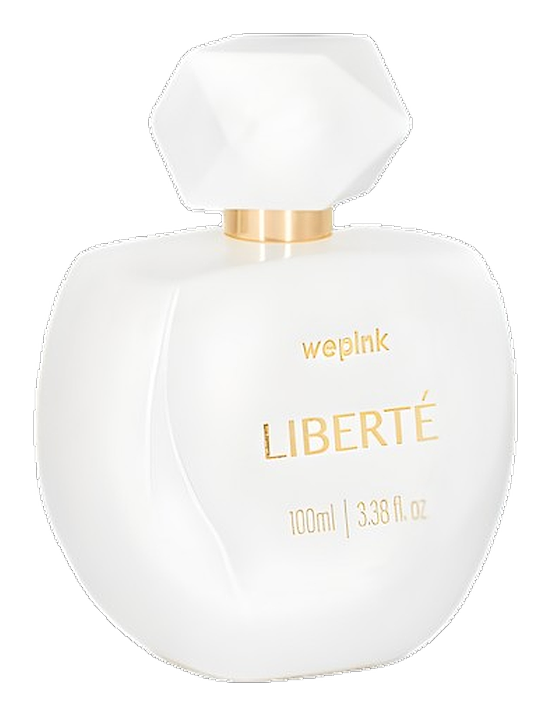
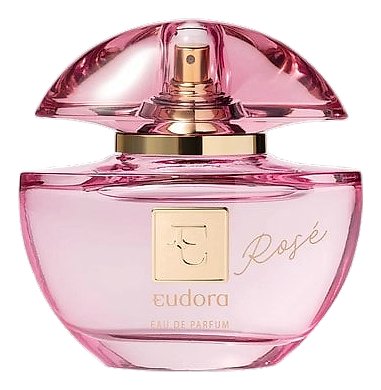

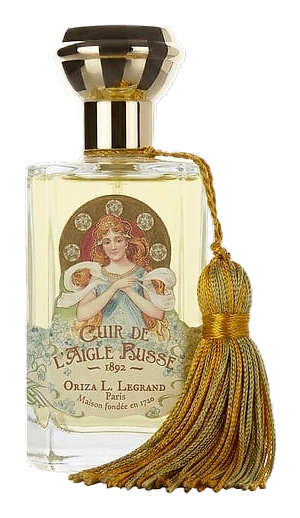
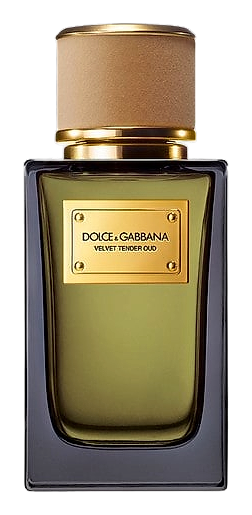
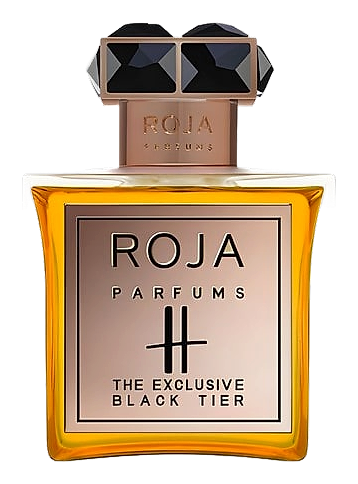
Brands
Brands known for Rose de Mai
Good to know
Questions, answered
The essentials on Rose de Mai in perfumery: how it smells, where it comes from, and how it behaves on skin.
What distinguishes Rose de Mai from other rose absolutes?
Rose de Mai absolute offers a honeyed, jam-like richness with intensely floral character that Bulgarian Rose Otto cannot match. The solvent extraction method preserves delicate top notes that steam distillation typically sacrifices, producing a more complete olfactory portrait of the fresh flower.
Why is Rose des Mai rarely steam-distilled?
Rosa centifolia contains significantly lower essential oil content compared to Rosa damascena, making steam distillation economically impractical. Solvent extraction captures more aromatic material from each petal, yielding a more concentrated absolute.
When does the Rose de Mai harvest occur?
The harvest window spans just three to four weeks each May in Grasse, France. Flowers are picked early morning to preserve volatile compounds before heat causes degradation. Timing is critical for maintaining fragrance quality.
What volume of roses yields one kilogram of absolute?
Producing one kilogram of Rose de Mai absolute requires approximately 3.5 metric tons of freshly picked petals. This extraordinary concentration reflects the incredible potency of the final material and explains its premium positioning in perfumery.
Which perfumes feature Rose de Mai prominently?
Rose de Mai serves as the floral heart in Chanel No. 5, where it provides rich, green-floral character alongside jasmine. The note also appears in Frederic Malle Lipstick Rose, Givenchy Ysatis, and numerous niche fragrances emphasizing classic floral interpretations.
Is Rose de Mai absolute natural or synthetic?
Rose de Mai absolute is entirely natural, derived through solvent extraction of Rosa centifolia petals grown primarily in Grasse, France. No synthetic replicas achieve its complex combination of honeyed sweetness, green facets, and deep floral warmth.
How should Rose de Mai absolute be stored?
Store Rose de Mai absolute in a cool, dark environment away from direct sunlight and temperature fluctuations. The amber-colored liquid oxidizes gradually when exposed to air, so keeping the container tightly sealed preserves its aromatic integrity.
What aroma compounds define Rose de Mai's scent profile?
Rose de Mai absolute contains phenylethyl alcohol for sweet floral notes, citronellol and geraniol for rose character, plus nerol for fresh green facets. Trace constituents including rose oxide contribute characteristic green, almost medicinal nuances.