The Heritage
The Story of Angela Flanders
Angela Flanders is an artisan perfume house rooted in East London since 1985. Founded by former television costume designer Angela Margaret Flanders, the brand blends the city’s flower market energy with a handcrafted approach. Its catalogue includes scents such as Zanzibar (1988), Parchment (1989) and Topaz (2000), each formulated in small batches. Two boutique locations on Columbia Road and Spitalfields invite visitors to explore the olfactory stories behind the bottles, while the brand continues to be run by the family that inherited Angela’s original legacy.
Heritage
Angela Margaret Flanders was born on 4 December 1927 and spent much of her early career designing costumes for British television. In the early 1980s she turned to perfumery, teaching herself the chemistry of scent while drawing inspiration from the fabrics and colors she worked with on set. In 1985 she opened a modest shop on Columbia Road, a street that borders London’s famous flower market. The location proved decisive; the daily bloom of roses, lilies and hyacinths seeped into her creative process, giving the early fragrances a distinctly floral character. By the late 1980s the house released Zanzibar (1988) and Parchment (1989), establishing a reputation for narrative-driven scents that referenced places, memories and textures. The 1990s saw the introduction of Josephine (1993) and a growing client base that appreciated the personal touch of hand‑blended formulas. In 2000 the brand launched Topaz, a fragrance that highlighted a shift toward richer, amber‑based compositions while retaining the clarity of its earlier work. Awards followed; the house was recognised twice with the Best New Independent Fragrance award, a testament to its consistent quality. After Angela’s death in 2016, her son and daughter‑in‑law assumed stewardship, preserving the original leather‑bound notebook of formulas and the shop’s intimate atmosphere. In 2018 they opened a second boutique on Spitalfields, extending the brand’s reach while maintaining the same hands‑on ethos. Today, more than three decades after its inception, Angela Flanders remains a family‑run atelier that honors its founder’s blend of theatrical imagination and London‑rooted sensibility.
Craftsmanship
Production begins with a review of the original handwritten formula book, a leather‑bound volume that Angela kept on a wooden desk in the Columbia Road shop. Modern batches are measured by hand, using glass beakers and stainless‑steel stirring rods to ensure precision without reliance on automated mixers. Natural essential oils are sourced from regions known for quality: Moroccan rose from the Atlas Mountains, Indian sandalwood from Karnataka, and French jasmine from Grasse. When a new ingredient is introduced, the perfumer conducts a series of olfactory panels with long‑time staff to gauge balance and longevity. The blend then rests in dark glass containers for a minimum of six weeks, allowing the molecules to harmonize. Quality control includes a sensory evaluation by the head perfumer and a secondary review by the brand’s founder’s daughter, who checks for consistency with the original vision. Bottles are filled by hand using a calibrated pipette, and each is capped with a cork or screw‑top that matches the fragrance’s character. The final product is inspected for clarity, scent intensity and label accuracy before being placed on the shop shelf. This meticulous process, unchanged since the 1980s, ensures that every Angela Flanders perfume retains the tactile intimacy that the founder prized.
Design Language
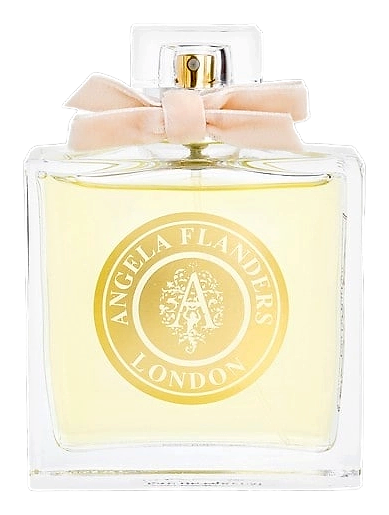
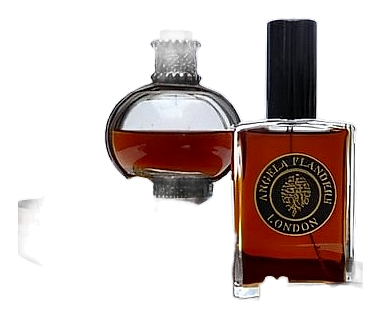
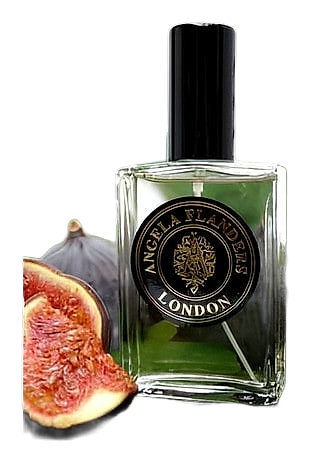
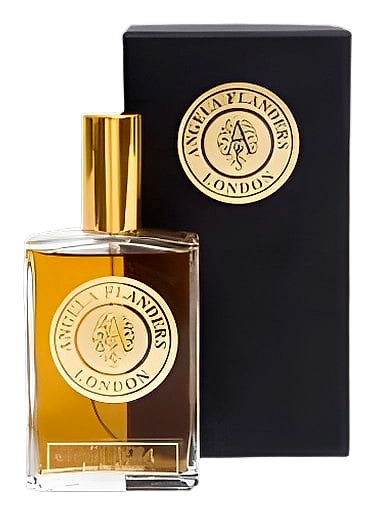
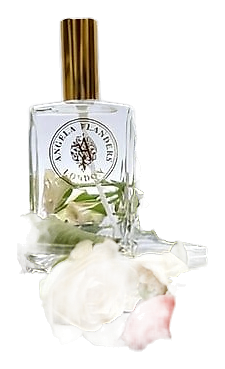
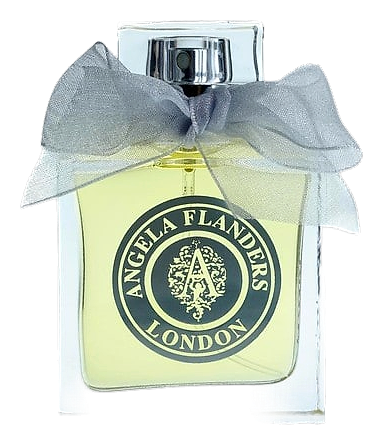
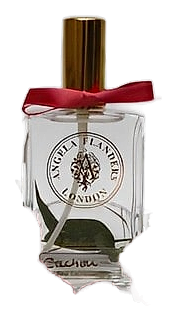
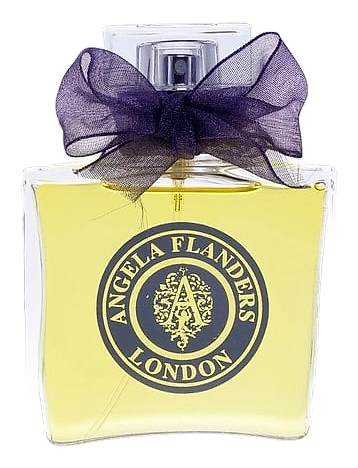
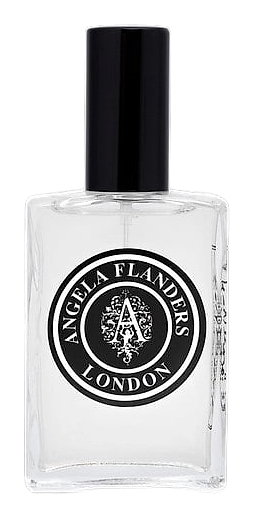
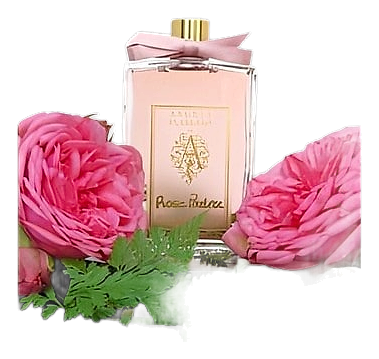
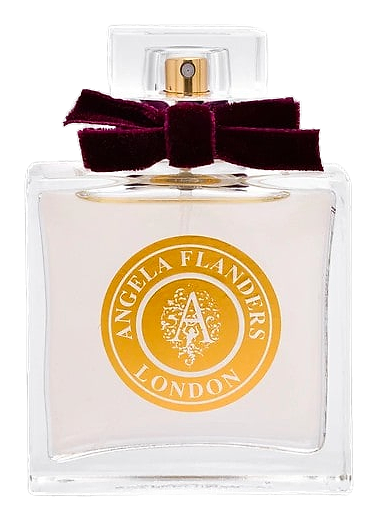
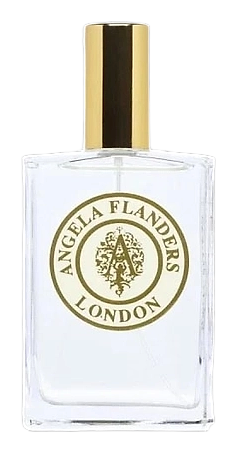
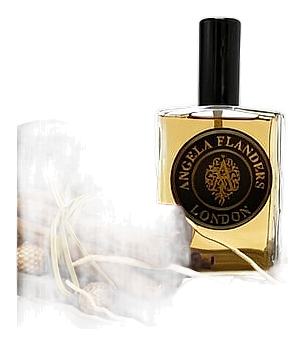
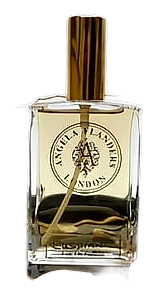
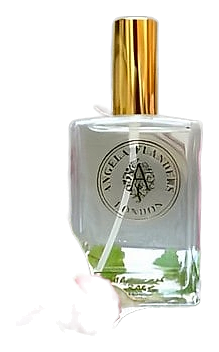
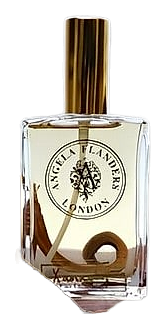
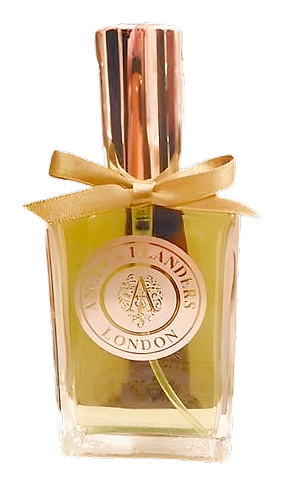
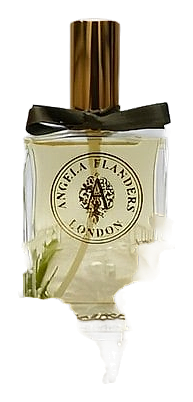
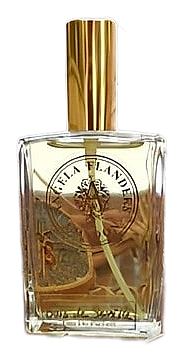
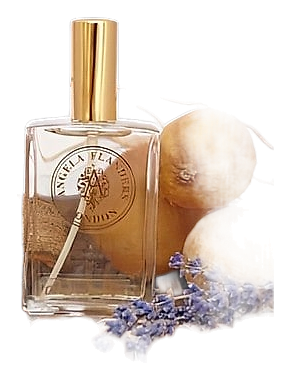
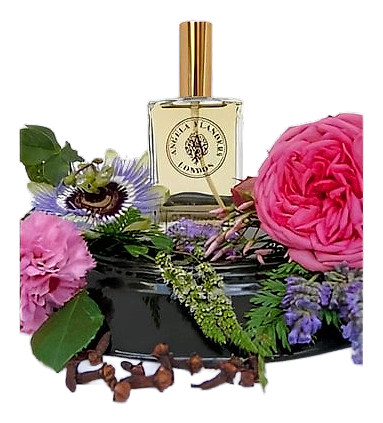
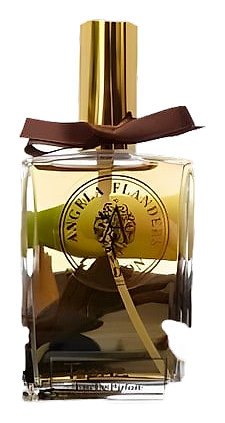
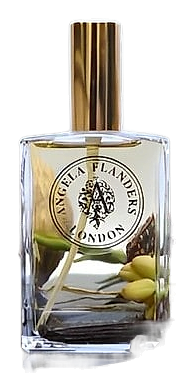
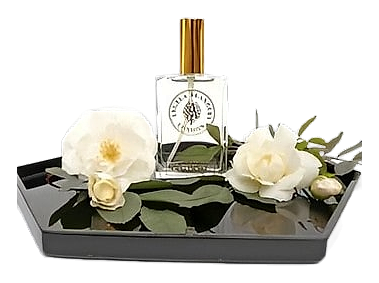
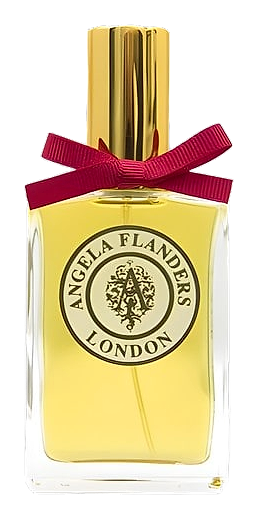
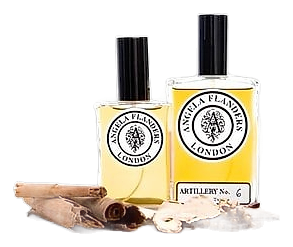
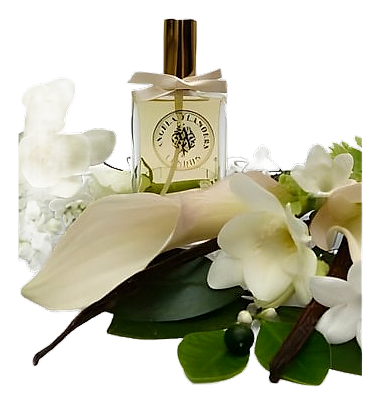
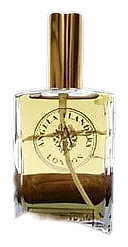
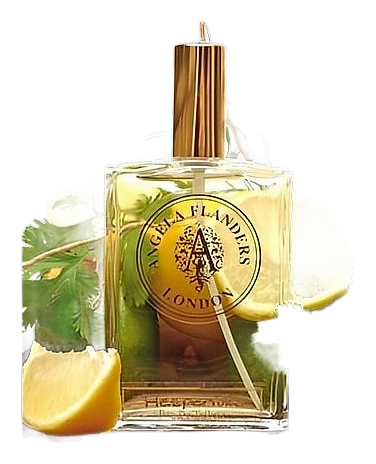
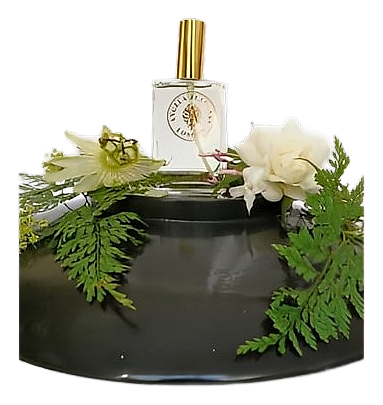
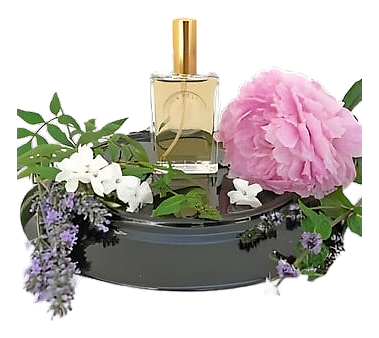
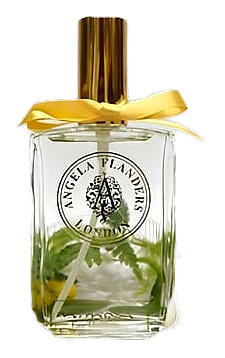
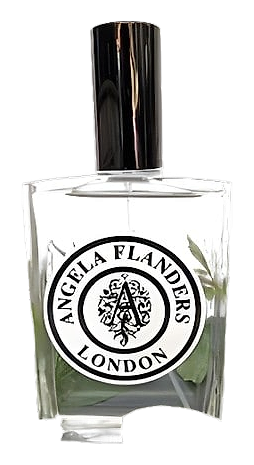
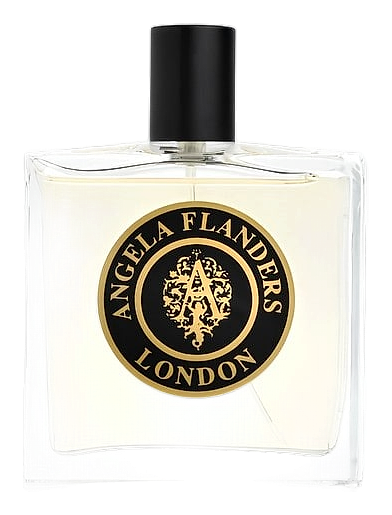
Visual identity mirrors the brand’s understated elegance. Bottles are typically clear or lightly tinted glass, allowing the perfume’s hue to speak for itself. Labels feature a simple serif typeface printed on recycled paper, often hand‑stamped with the fragrance name and year of release. The Columbia Road storefront retains its original wooden shelving, brass fixtures and a chalkboard that lists seasonal scent notes. In Spitalfields, the interior blends industrial brick walls with soft, pastel accents that echo the floral inspirations behind many fragrances. The brand’s logo, a stylized “AF” monogram, appears on packaging, business cards and scented candles, reinforcing a cohesive yet modest visual language. Marketing imagery favors natural light, close‑up shots of flowers, fabrics and the perfumer at work, reinforcing the narrative that each scent emerges from a tangible, lived experience rather than abstract luxury.
Philosophy
The house views perfume as a storytelling medium rather than a mere commodity. Each scent is conceived as a chapter, anchored in a specific memory, place or material. Angela Flanders emphasizes authenticity; the brand avoids mass‑production shortcuts and instead favors small‑batch creation that allows the perfumer to monitor every stage. Sustainability informs ingredient choices, with a preference for responsibly harvested botanicals and ethically sourced oud, ambergris alternatives and natural extracts. The brand also values transparency, often sharing the inspiration behind a fragrance on its shop walls or in handwritten notes accompanying the bottle. Community plays a role as well – the Columbia Road shop hosts workshops that invite locals to explore the link between scent and daily life. This philosophy reflects the founder’s belief that perfume should be intimate, tactile and rooted in the lived environment of its creator and wearer.
Key Milestones
1985
Angela Flanders opens her first boutique on Columbia Road, East London.
1988
Release of Zanzibar, one of the house’s early signature scents.
1993
Josephine debuts, showcasing a shift toward more complex floral‑amber compositions.
2000
Topaz launches, marking the brand’s entry into richer, amber‑focused fragrances.
2014
Breath of Hope is introduced, reflecting a modern, airy aesthetic.
2018
Second boutique opens on Spitalfields, expanding the brand’s physical presence.
At a Glance
Brand profile snapshot
Origin
United Kingdom
Founded
1985
Heritage
41
Years active
Collection
3
Fragrances released
Avg Rating
4.2
Community sentiment
Release Rhythm


