The Story
Why it exists.
The beginning
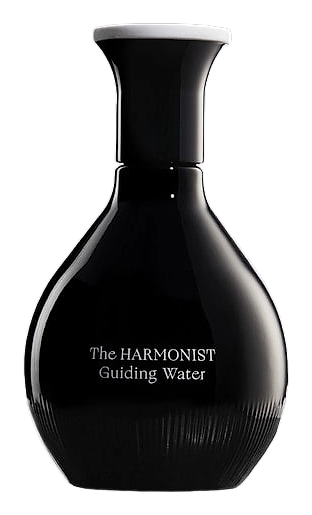
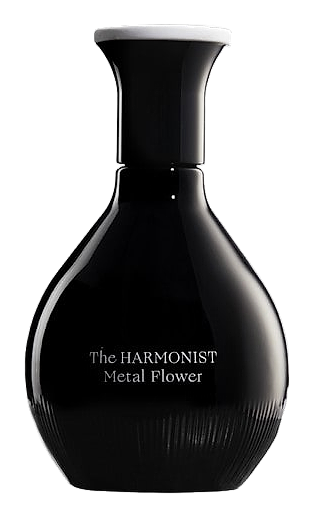
The Harmonist built its identity around Feng Shui, the belief that energy can be shaped, directed, transformed. Metal Flower belongs to the house's Yin collection, representing the Metal element. Where other houses might name a fragrance after a flower, this one borrowed from jewelry. The idea: refinement, precision, the way light catches a cut surface. Bulgarian rose and Rose de Mai provide the floral foundation, real, substantial, not synthetic. Ylang-ylang adds an exotic warmth that keeps the composition from feeling precious. The metal comes from the aldehydes, which the brand doesn't hide or soften. They are the point. Guillaume Flavigny composed the fragrance around that tension, delicate flowers, sharp metal, the contradiction being the concept.
Rose Oxide is the detail that separates this from standard rose fragrances. It's not a note most people recognize, but once you smell it in context, the difference becomes obvious. Where a typical rose fragrance opens round and soft, Rose Oxide adds a freshness that reads almost herbal, a slight lift, a green edge that keeps the rose from feeling romantic. Bulgarian Rose in the heart brings depth and complexity, the kind of rose that smells like it's been extracted from real petals rather than synthesized. Rose de Mai adds a powdery, slightly honeyed quality that rounds the floral trio. Ylang-ylang bridges the heart and base with its sweet-spicy character, tropical without being loud.
The evolution
The aldehydes don't disappear. They settle, threading through the heart and into the drydown like a vein of steel running through marble. Bulgarian rose and ylang-ylang soften around them, the rose becoming less a flower and more a warmth, close to skin, intimate. White musk and patchouli arrive quietly, building a base that stays close rather than projecting. This is not a fragrance that announces itself. It's a fragrance that stays. Ten hours in, the aldehydes still there, faint and metallic against the rose. The patchouli has softened into something almost creamy. On fabric: a ghost of warmth. The next morning, traceable. Not loud, but not gone.
Cultural impact
The Harmonist positioned itself at the intersection of holistic wellness and luxury niche perfumery, a crowded space in 2016, but one where the Feng Shui framework gave the house a structural identity most indie brands lacked. Metal Flower, as part of the Metal element collection, spoke to a specific audience: people who wanted their fragrance to function as more than perfume, who wanted it to mean something. The aldehydic-rose combination was distinctive enough to earn mentions in fragrance communities as something different, even if the brand itself remained niche. It occupies the space for someone who treats their environment and inner state as a practice.