The Story
Why it exists.
The beginning
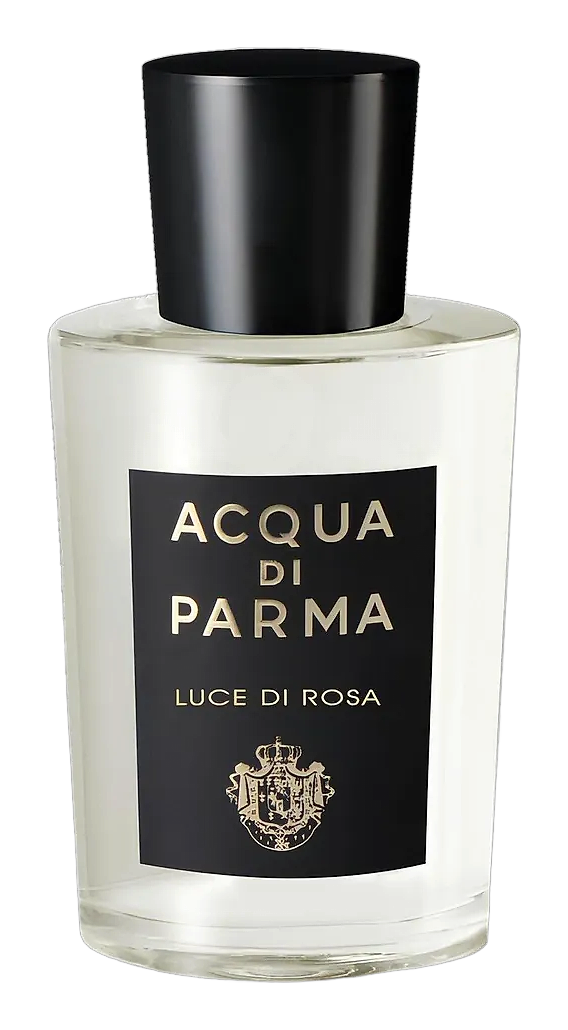
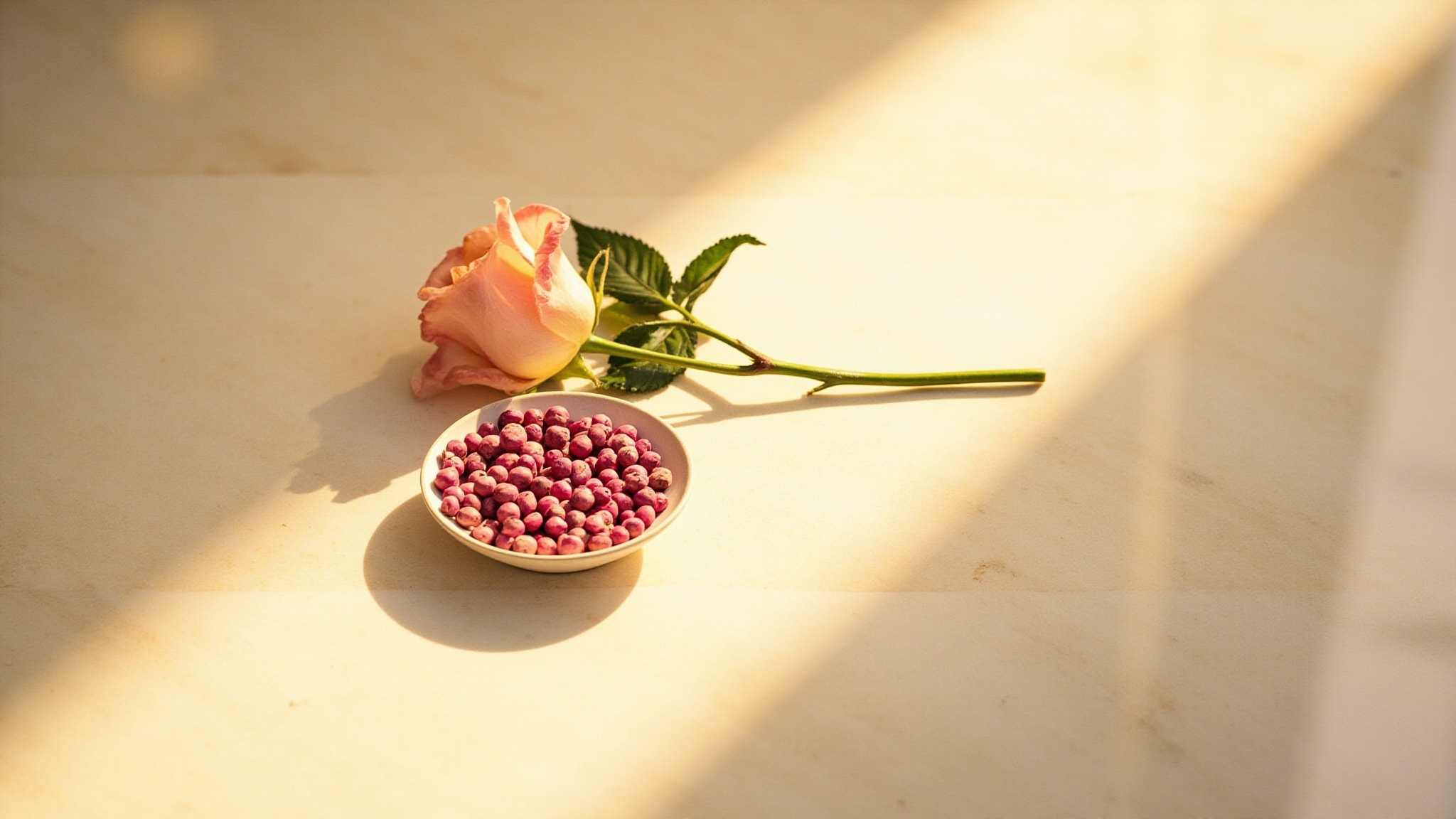
Luce di Rosa, Light of Rose, arrived in 2024 as part of Acqua di Parma's Signatures Of The Sun collection, where light is treated as a raw material rather than a metaphor. The collection's premise is simple: Italian light is different. It doesn't just illuminate. It sculpts. It changes what it touches. Alexandra Carlin built this fragrance around that quality. Bergamot and mandarin open the composition like a room thrown open at noon, then the spice structure builds beneath: pink pepper CO2 and Madagascan cardamom warming the air slowly, deliberately, before the Bulgarian rose finally arrives. The citrus opening creates an immediate brightness that feels expansive and sunlit, while the spices add depth and complexity beneath the surface.
The Bulgarian rose arrives in the heart of the composition, supported by geranium and black pepper. Geranium contributes an herbal quality that feels organic and alive, rather than arranged or static. It suggests growth and vitality, keeping the rose from becoming merely decorative or predictable. Black pepper threads through this middle phase, adding a subtle warmth and slight heat that prevents the rose from feeling overly soft or delicate. The combination creates a dynamic tension between freshness and spice, with the rose at the center of this interplay.
The evolution
The opening is immediate and citrus-forward, with bergamot and mandarin creating that characteristic Acqua di Parma brightness. The initial impression is clean, radiant, and expansive. But as the fragrance develops, the spice structure begins to assert itself. Pink pepper and cardamom arrive quietly, not as a challenge to the citrus but as a deepening of the overall composition. The bergamot remains present, its brightness continuing to support the more complex layers that build above it. The heart phase is where the Bulgarian rose finally arrives, emerging slowly and assertively. Supported by geranium, it reads as green and alive rather than romantic or powdery. Something with roots. Black pepper threads through at this stage, adding a slight heat that keeps the rose from feeling soft.
Cultural impact
Luce di Rosa enters a specific moment in the fragrance conversation. What distinguishes this composition is its structural clarity, the way the elements work together to create something cohesive and intentional. The Signatures Of The Sun collection presents a distinct approach to fragrance design, and Luce di Rosa reflects this methodology. The fragrance asks for attention without demanding it, inviting wearers to discover its layers and appreciate its thoughtful construction.