Madagascan Cardamom
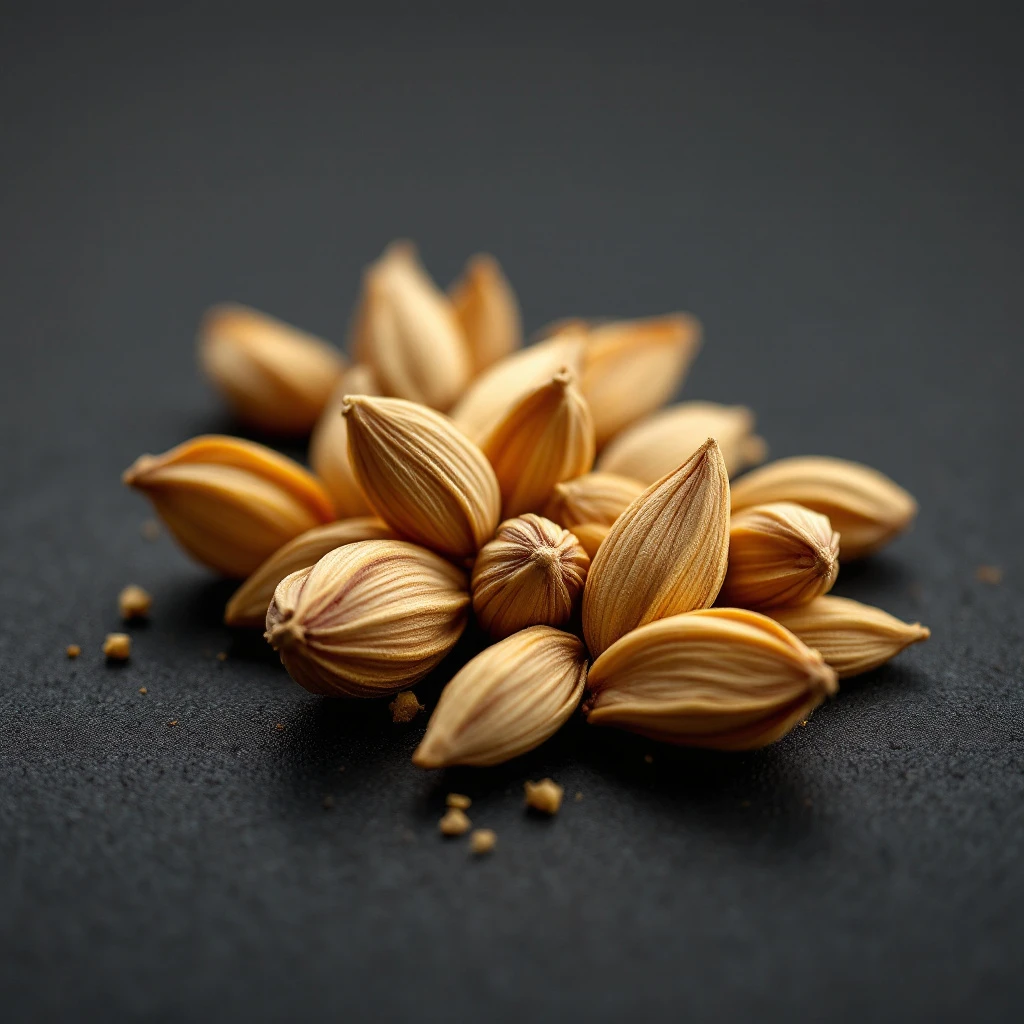
Madagascan cardamom carries the island's lush rainforest character into perfumery. Its essential oil distills a complex warmth: eucalyptus clarity, honeyed spice, and a resinous depth that lingers. Few ingredients achieve this balance of brightness and grounding depth.
Character
How it smells
Rainforest warmth in every drop.
A single kilogram of Madagascan cardamom essential oil requires approximately 40 kilograms of hand-harvested seed pods.




Origin
Madagascar
Cardamom has shaped trade and culture across the Indian Ocean world for over three thousand years. Ancient Tamil texts from South India reference cardamom as a prized medicinal herb, while Sanskrit ayurvedic manuscripts describe its digestive and aromatic properties. The spice likely originated in the Malabar Coast of modern-day Kerala, where wild populations still grow in the shadow of the Western Ghats. Arab merchants recognized cardamom's value early and established it along the incense and spice routes that connected India to the Mediterranean.
Egyptian physicians included cardamom in their formulas, and Greek traders prized it alongside frankincense and myrrh. The spice reached European markets by the Middle Ages, though it remained a luxury commodity reserved for apothecaries and aristocratic kitchens. Madagascar entered the global cardamom trade during the colonial period, when French administrators recognized the island's potential for spice cultivation. The volcanic soils and subtropical climate of the eastern rainforests proved remarkably suited to Elettaria cardamomum, and Malagasy farmers developed cultivation techniques adapted to local conditions.
Today, Madagascar ranks among the world's significant cardamom producers, with the spice supporting rural livelihoods across the Sofia and Analanjerofo regions. Perfumers treasure Malagasy cardamom for its distinct character, a product of the island's isolation and unique growing conditions that distinguish it from Guatemalan and Indian varieties.
Wears it best
Fragrances featuring Madagascan Cardamom
Brands
Brands known for Madagascan Cardamom
Good to know
Questions, answered
The essentials on Madagascan Cardamom in perfumery: how it smells, where it comes from, and how it behaves on skin.
What makes Madagascan cardamom different from other varieties?
Madagascar's volcanic soils and humid rainforest climate produce cardamom with a distinct aromatic profile. The oil carries stronger eucalyptus top notes and a deeper resinous quality compared to Indian or Guatemalan varieties. Terroir-driven differences in soil composition and altitude directly shape the volatile compounds in each harvest.
How do perfumers use cardamom in fragrance formulations?
Cardamom functions as a versatile top-to-middle note in perfumery. Blenders employ it to add spicy warmth without heaviness, pairing it with citrus, florals, or woods. The ingredient works particularly well in oriental and fresh spicy compositions, where its brightness cuts through richer base materials.
What does Madagascan cardamom smell like?
The scent opens with sharp, mentholated freshness reminiscent of eucalyptus, followed by warm spice and subtle honeyed undertones. The dry-down reveals a soft, slightly bitter resinous quality that grounds the fragrance. Each batch carries subtle variations shaped by harvest conditions and distillation timing.
Is cardamom used for anything besides perfumery?
Culinary applications dominate global cardamom consumption, particularly in Indian, Middle Eastern, and Scandinavian cuisines. The spice also appears in traditional medicine across South and Southeast Asia, where practitioners value its digestive and anti-inflammatory properties. The essential oil sees use in aromatherapy and food flavoring.
How sustainable is Madagascan cardamom production?
Wild-harvested and smallholder cultivation dominate Malagasy production, typically operating at modest scale. Some cooperatives have pursued organic certification and sustainable harvesting protocols, but supply chains vary significantly. Buyers should request documentation regarding cultivation methods and labor practices.
What fragrance families pair well with cardamom?
Fresh spicy, oriental, and fougère compositions benefit most from cardamom. It combines naturally with bergamot, black pepper, rose, iris, sandalwood, and vanilla. The ingredient also adds complexity to masculine and unisex designer fragrances when paired with vetiver or amber materials.
How long has cardamom been used in perfumery?
Documented use in perfumery extends back at least two millennia, with Egyptian and Mesopotamian texts describing aromatic preparations incorporating spices. However, cardamom served primarily as a medicinal and culinary commodity until the modern distillation era made its essential oil widely available to European perfumers in the nineteenth century.
What harvesting practices affect cardamom oil quality?
Pod ripeness at harvest critically influences aroma quality; overripe pods lose volatile compounds while underripe pods lack full aromatic development. Drying method matters equally, as excessive heat degrades delicate esters. Distillation timing after harvest also affects the final oil profile, with fresh seeds yielding brighter, more complex material.