
The Story
Why it exists.
The beginning
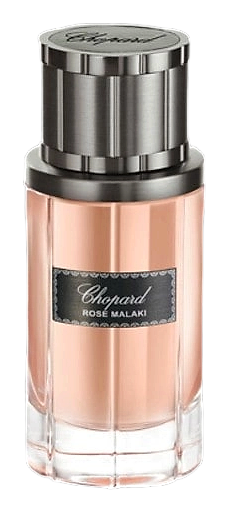
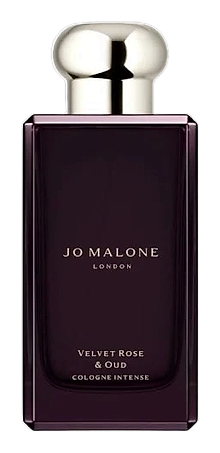
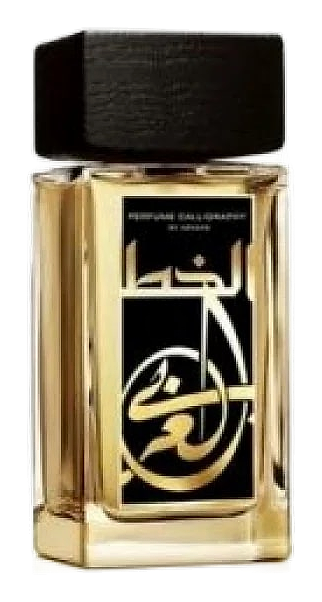
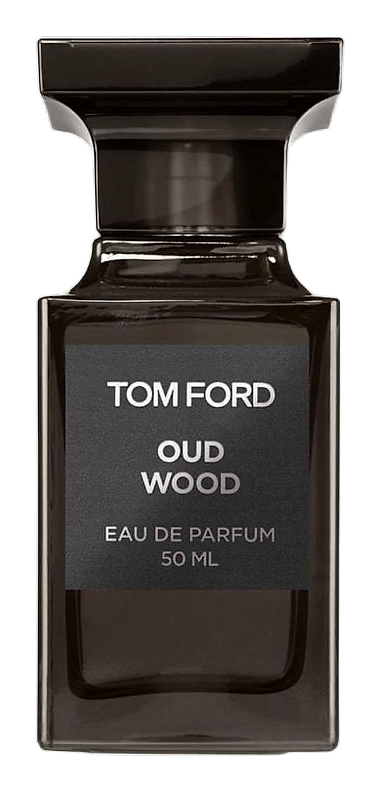
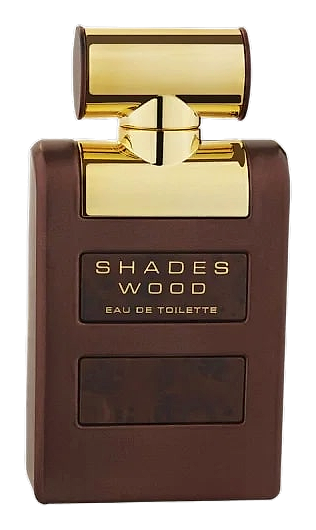
Armaf built its reputation on one idea: you shouldn't have to choose between smelling expensive and paying rent. Shades Wood landed in 2013, entering a market where rose-and-oud combinations were already popular but largely confined to niche pricing. The brief was straightforward, take the accord that worked for houses like Kilian and Jo Malone, build it with conviction, and let the performance do the talking. No heritage story. No celebrity endorsement. Just the composition itself.
What makes Shades Wood structurally interesting is how it inverts the typical rose-oud flow. Most fragrances in this family lead with sweetness and let the wood arrive as a settling. Here, the rose opens bold and slightly dry, more damask than turkish, with geranium adding a green undertone that prevents it from going syrupy. The cloves and cumin arrive quickly, shifting the tone from floral to spicy. The oud doesn't hide behind the rose; it runs parallel, giving the composition a dual identity that's rarer at this price point. Cedar and sandalwood then round the base into something that stays close to the skin but refuses to disappear.
The evolution
The first spray hits bright, citrus lifting the rose so it reads more aromatic than sweet. Ten minutes in, the cloves assert themselves. The geranium fades. The rose stays but darkens, taking on a dusty quality that some wearers describe as medicinal in the opening half hour. If that note resolves for you, the fragrance settles into its real architecture: warm oud, cedar, and sandalwood wrapped around a rose that hasn't gone anywhere. The cumin lingers longest on fabric. On skin, expect the full eight-to-ten-hour arc, strong sillage for the first three hours, then intimate projection for the rest. It wears close but announces itself before you enter a room.
Cultural impact
Shades Wood occupies an interesting position: it arrived early in the rose-oud trend, before the combination became ubiquitous in both niche and designer markets. For many wearers, it served as an entry point, proof that the accord didn't require a three-figure price tag. The fragrance still attracts buyers who want the Kilian or Jo Malone experience but aren't ready to spend accordingly. Its community of fans skews toward those who prioritize performance over prestige, and the discussions around it tend to focus on how it compares to its more expensive counterparts rather than standing alone.