
The Story
Why it exists.
The beginning
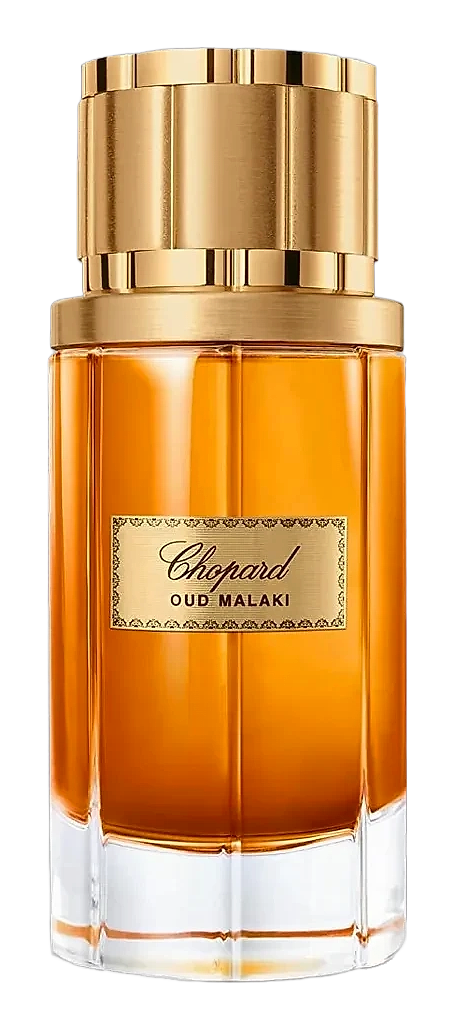
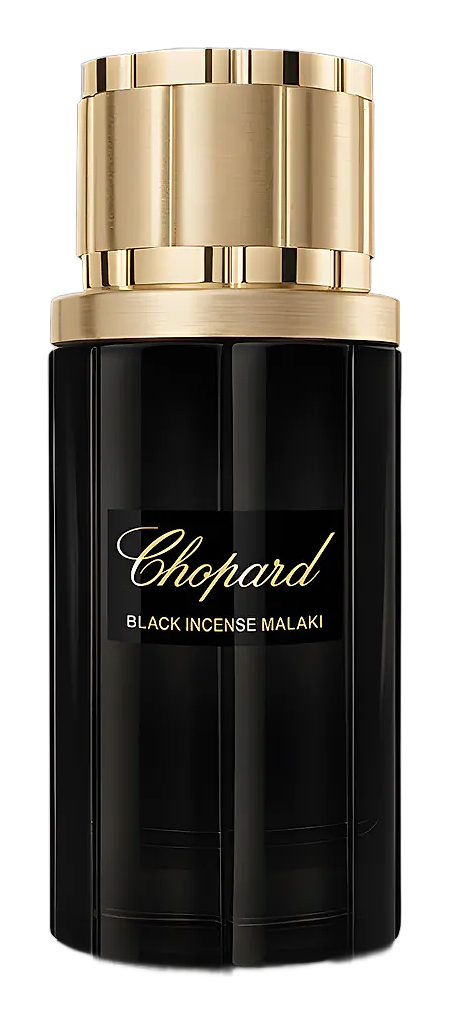
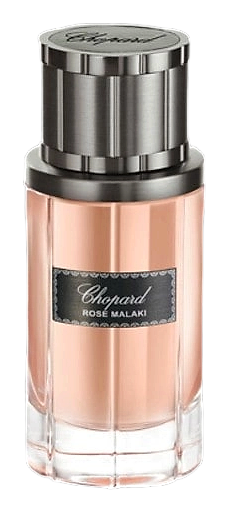
Rose Malaki arrived in 2014 as part of Chopard's Malaki collection, following the 2012 Oud Malaki. The name Malaki suggests something masculine, and the 2012 fragrance delivered on that promise with oud, leather, and tobacco. Rose Malaki took the collection's direction and flipped it. The rose was placed at the center, not as a supporting note, but as the main event. Perfumer Amandine Clerc-Marie built the composition around Damascus rose, a symbol of love and sensuality in perfumery, then gave it structure with leather, spices, and woody base notes that kept the floral heart grounded. The result was a rose fragrance that refused to be soft, romantic, or delicate. It was darker. More authoritative.
What makes Rose Malaki unusual is how the rose is treated. In most fragrances, rose softens, sweetens, or disappears as the drydown progresses. Here, the Damascus rose holds its ground alongside leather and woody notes, its velvety, dewy petals taking on a suede-like quality rather than fading into sugar. The saffron contributes a salty, slightly metallic edge that keeps the rose from becoming romantic. The leather acts as a bridge between the floral heart and the woody base, creating continuity rather than a sharp transition. Atlas cedar anchors the composition with warm, elegant woodiness that extends the drydown.
The evolution
The opening hits quickly, salty, syrupy saffron with earthy papyrus and a clean spike of cardamom. The papyrus brings an almost paper-like dryness that balances the saffron's intensity. Within the first ten minutes, the Damascus rose blooms at the center, and the leather appears as a soft counterpoint, creating a velvety suede effect rather than a sharp animalic note. The transition from heart to base happens gradually, the rose doesn't disappear so much as deepen, merging with the Atlas cedar into something richer and more balsamic. Patchouli adds earthiness, and a touch of vanilla creeps in, warming the woody base without making it sweet. The drydown settles into warm cedar and patchouli, with the rose still faintly present in the background. Over time, the fragrance reveals additional layers, spices that emerge and recede, woods that deepen, a delicate sweetness that never overwhelms.
Cultural impact
Rose Malaki found its audience among fragrance wearers who wanted a rose that didn't behave like one. The combination of dark rose, leather, and saffron gave it a serious, sophisticated character that stood apart from softer floral interpretations. Released in 2014, it distinguished itself with its oriental structure and Chopard's Swiss precision. The projection made it suitable for close encounters rather than room-filling presence, a fragrance for someone who wants to be remembered by those nearby, not announced from across the street.