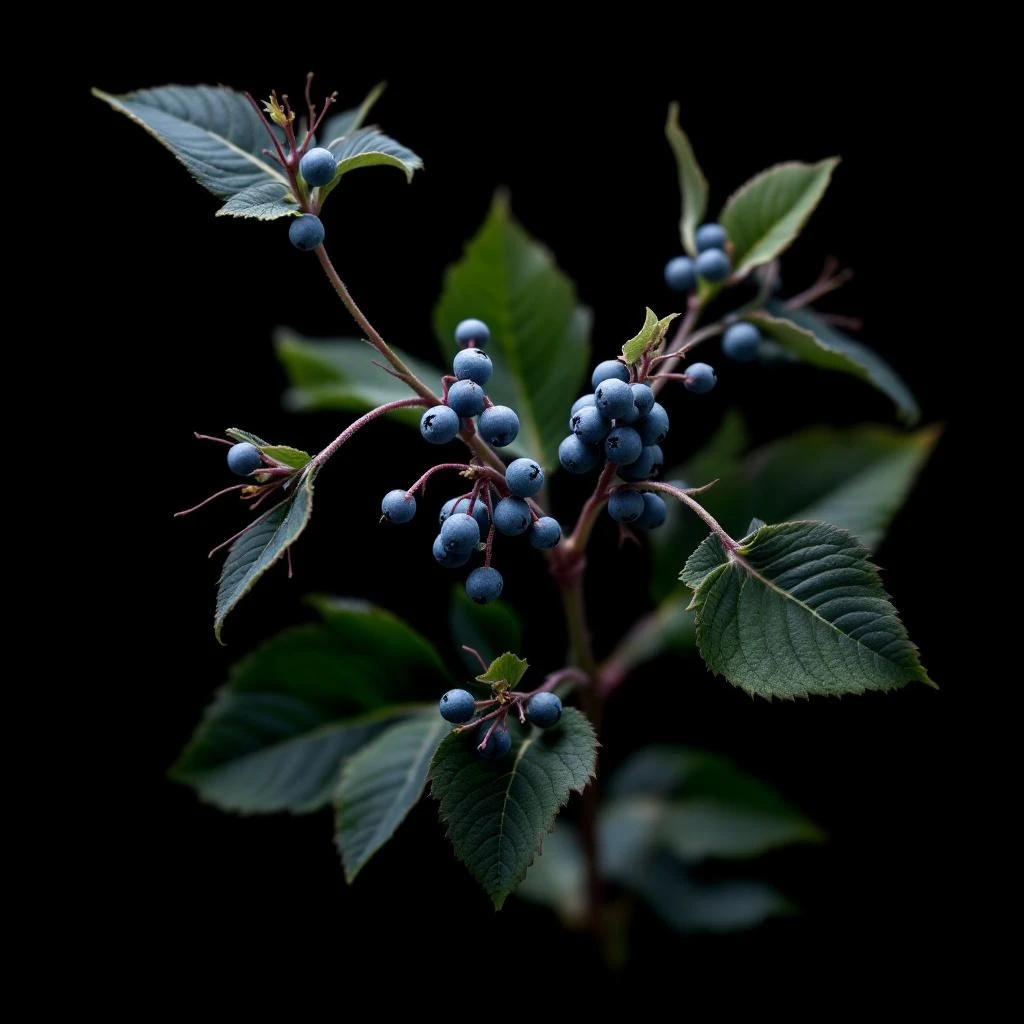
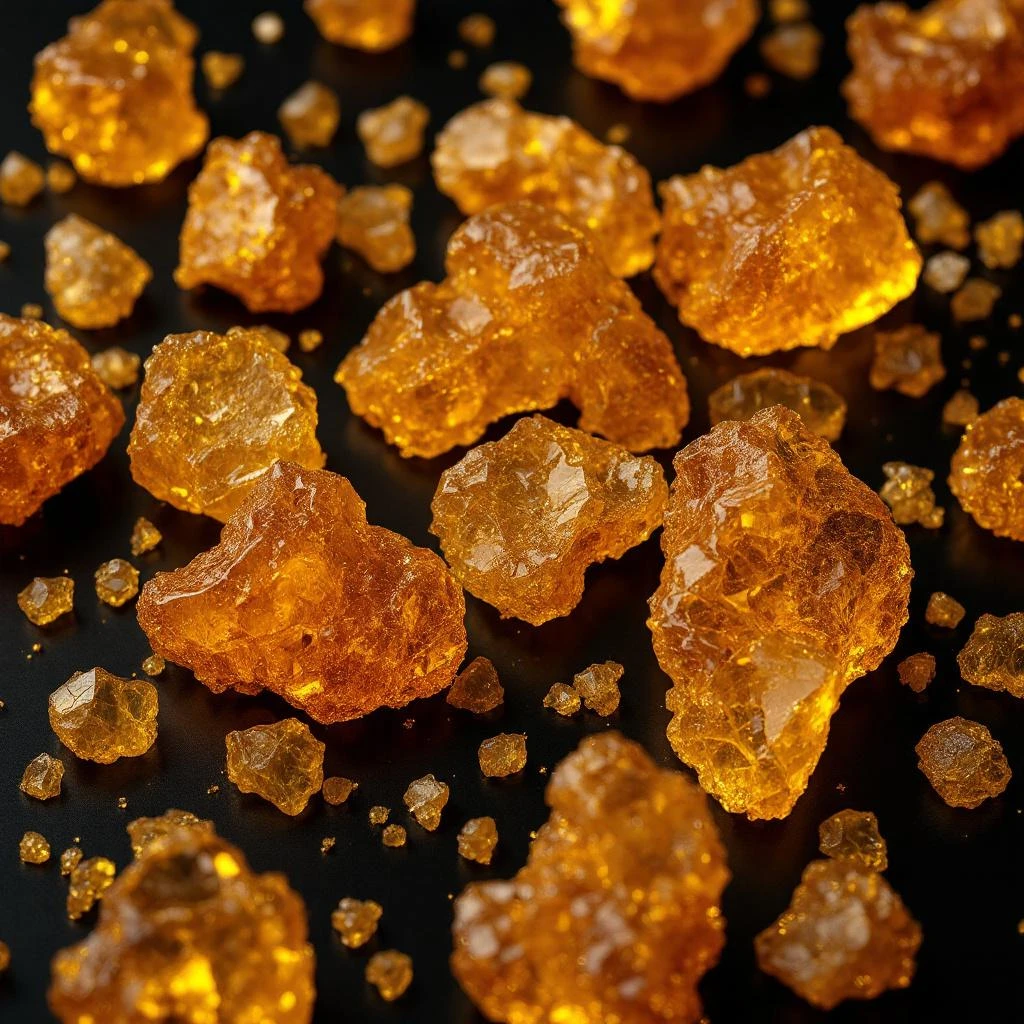
Portuguese Labdanum
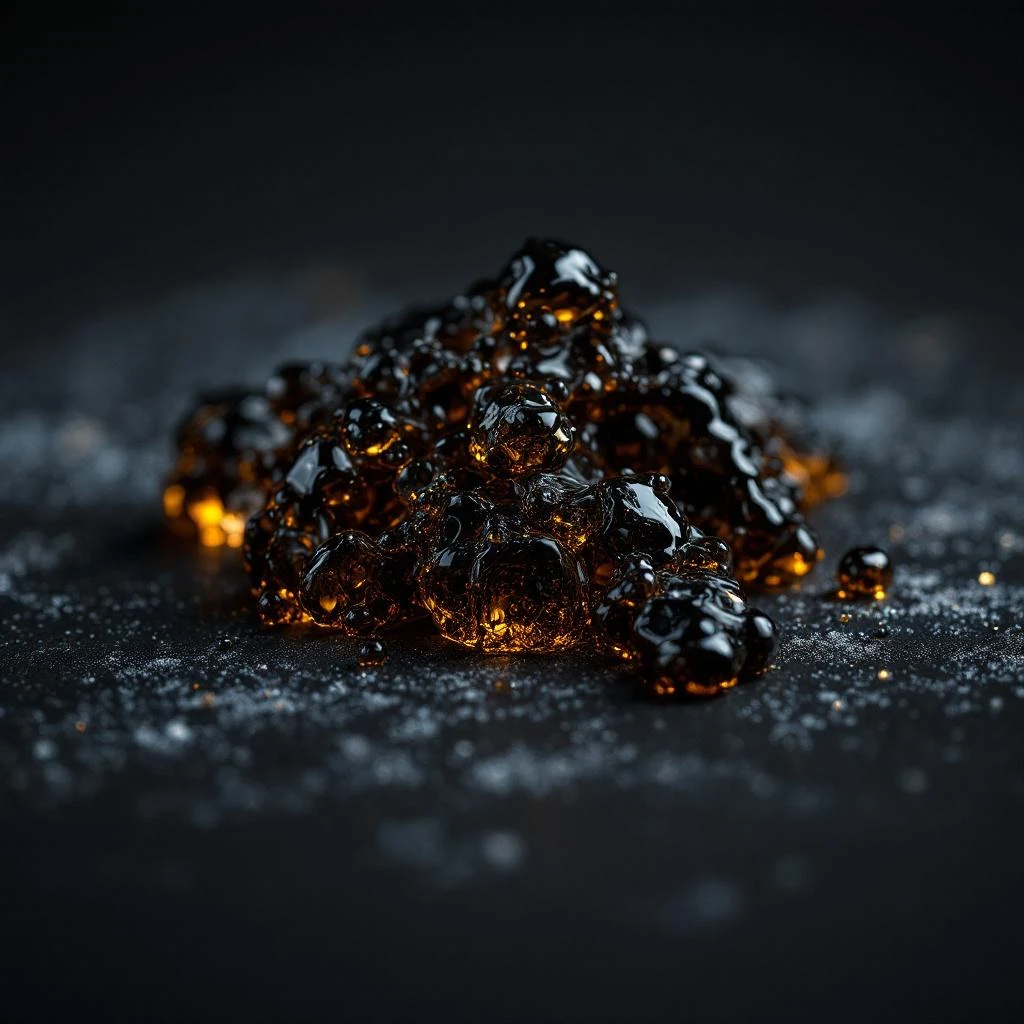
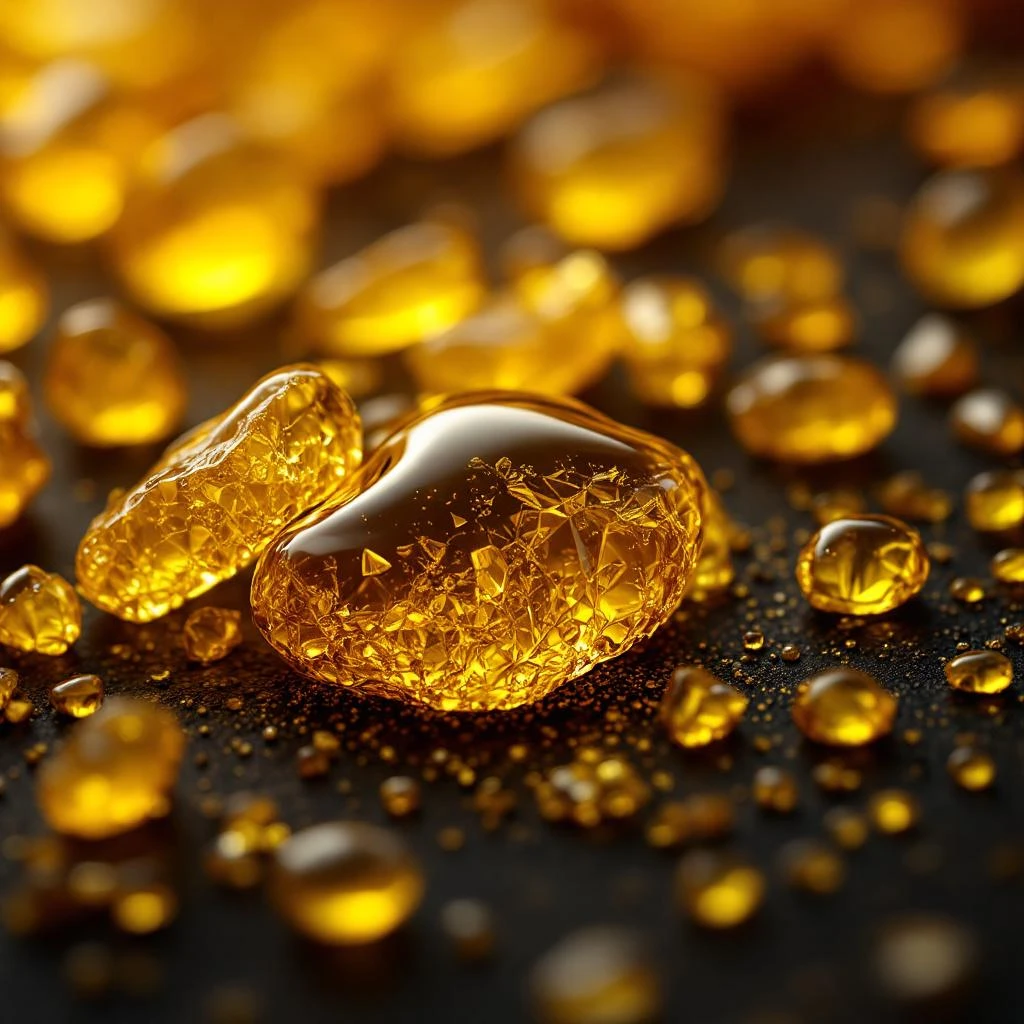
A sacred resin from the sun-baked hillsides of Portugal, labdanum carries the weight of 3,000 years of perfumery history. Its rich, warm amber signature anchors the iconic chypre family and defines what amber means in fine fragrance.
Character
How it smells
The ancient resin that defined amber
Ancient Phoenician traders reportedly combed the beards of goats that grazed near rockrose bushes, collecting the sticky resin that clung to their hair for trade.





Origin
Portugal
Labdanum threads through 3,000 years of human history. Ancient Egyptians used it in temple rituals and medicinal preparations. Phoenician merchants built trade routes around its collection, famously combing it from the coats of goats that browsed near rockrose bushes.
The Greeks and Romans prized it as medicine and incense. Portuguese cultivation emerged centuries ago, with local harvesters developing techniques suited to the region's specific climate and soil. When modern perfumery crystallized in the 20th century, labdanum became the definitive ingredient for amber notes, its warm, resinous character essential to the chypre family that shaped modern fragrance.
Today, Portuguese labdanum remains highly sought after for its quality and the traditions embedded in its harvest.
Wears it best
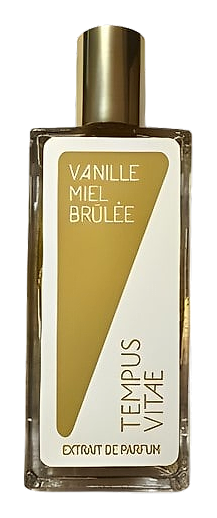
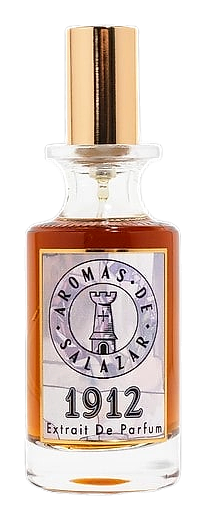
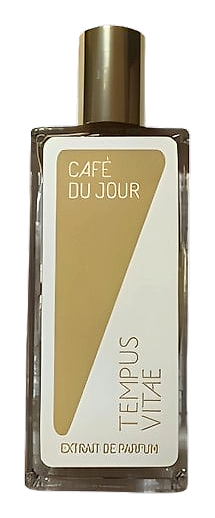
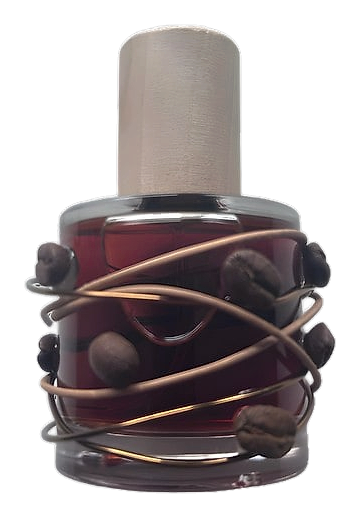
Fragrances featuring Portuguese Labdanum
Brands
Brands known for Portuguese Labdanum
Good to know
Questions, answered
The essentials on Portuguese Labdanum in perfumery: how it smells, where it comes from, and how it behaves on skin.
What does Portuguese labdanum smell like?
Portuguese labdanum smells warm, resinous, and deeply amber-like with sweet balsamic undertones. It carries animalic warmth, faint herbal freshness, and a honeyed quality that makes it the natural reference for amber in perfumery.
How is labdanum harvested in Portugal?
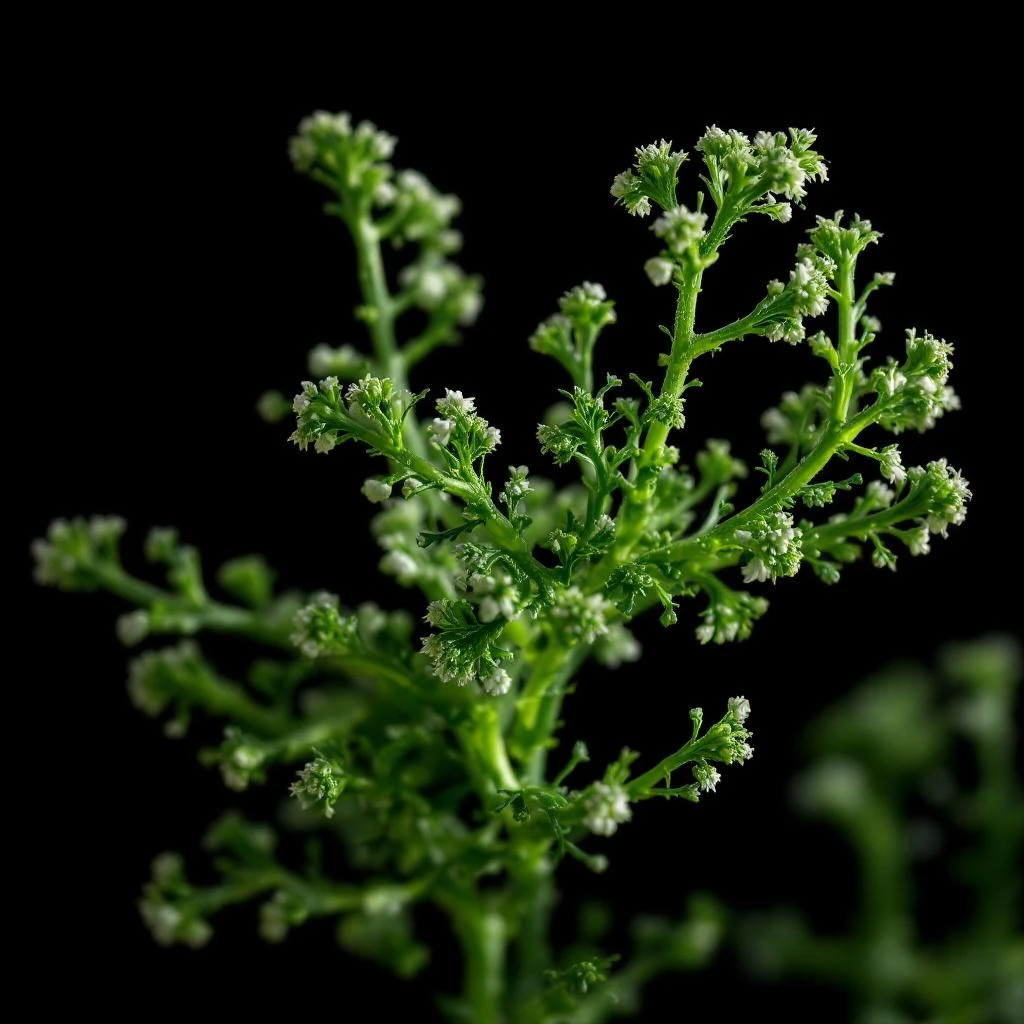
Harvesters collect labdanum resin by hand from Cistus ladanifer shrubs growing in Portugal's dry Mediterranean hillsides. Workers either scrape resin directly from plant stems or gather material from the coats of goats that browse near the bushes, a method unchanged for millennia.
What makes Portuguese labdanum distinct?
Portugal's specific climate and soil conditions produce labdanum with particularly rich resin content. Portuguese rockrose from the Alentejo and southern regions yields material with exceptional depth and warmth, making it prized among fine fragrance producers.
Is labdanum still used in modern perfumery?
Labdanum remains one of perfumery's most important natural ingredients. It serves as the primary natural source for amber notes, appears in nearly all chypre fragrances, and features in oriental compositions. Its versatility as a fixative and base note keeps it in constant demand.
How long has labdanum been used in perfumery?
Labdanum has been used for over 3,000 years, dating back to ancient Egypt where it appeared in temple rituals and medicinal preparations. It represents one of perfumery's oldest continuously used natural materials.
Which fragrance families rely on labdanum?
Labdanum is essential to the chypre family, defines amber and oriental fragrances, and appears in ambery chypres, fougeres, and many woody compositions. It acts as a fixative and base note across fragrance types.
Can synthetic materials replace labdanum?
No synthetic fully replicates labdanum's complexity. While aroma chemicals like ambroxan or labdinox capture specific facets, the natural resin's warm, animalic, balsamic depth remains unmatched in perfumery applications.
What is the difference between labdanum absolute and essential oil?
Labdanum absolute comes from solvent extraction and produces a dark, viscous material with intense aroma. The essential oil results from hydrodistillation and offers a more delicate representation. Absolute is typically preferred for fine fragrance precision.