
The Story
Why it exists.
The beginning
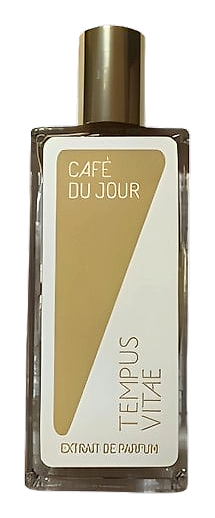
Michael Salazar built this around coffee as the architecture itself, not as an accent. Tamanu oil's walnut-like depth became the skeleton, anchoring every layer with a quiet richness that feels almost edible. Butter and milk rounded it into something you could almost drink, creamy, warm, but never saccharine. Resins held it all together, labdanum and benzoin, making it substantial enough to linger on the skin for hours without ever becoming oppressive. The coffee note itself unfolds slowly, revealing dark roasted nuances that blend seamlessly with the resinous warmth underneath, creating a drydown that feels both intimate and lasting. Each element plays a specific role, nothing gratuitous, nothing apologetic.
What makes this composition unusual is the pairing of Tamanu oil with coffee. Tamanu isn't a standard perfumery material, its walnut, almost bitter-nutty character doesn't immediately suggest warmth. But against roasted coffee, it works as a counterweight, adding a woody depth that stops the coffee from veering sweet. Birch tar in the opening provides smoke without aggression. The benzoin and labdanum then layer in warmth that feels less like a winter blanket and more like a well-worn chair, present, familiar, impossible to leave. The result is a coffee fragrance that refuses to be a gourmand.
The evolution
The opening hits like cold air, roasted, smoky, a little harsh. But it softens within minutes as butter and milk round the edges. The coffee doesn't announce itself politely. It's already there, dark and dense, with birch tar's smoky bite. By the heart, the coffee settles into its true character: no longer the opening punch but the steady presence underneath. The Tamanu nuttiness becomes apparent, supporting the structure. Resinous warmth builds, labdanum, benzoin, a hint of heliotrope's powdery sweetness cutting through the darkness. Davana and ylang-ylang add an unexpected spiced floral quality that lifts without softening. The drydown strips everything back to essentials. Coffee roasted down to its final notes. Smoky guaiac wood. A quiet musk that stays close, intimate, for hours. The next morning, there's still something there, a faint trace of butter on skin, coffee's memory.
Cultural impact
Since its debut, Café Du Jour has found its audience among those who want coffee fragrance without the usual sweetness. The composition leans into smoke and resin, offering something that refuses to apologize for its intensity. On the skin, the coffee note arrives bold and unadorned, quickly joined by the tactile warmth of butter and milk that prevent any harshness from taking over. As hours pass, the resins emerge, labdanum's earthy, slightly leathery character woven through with benzoin's soft, vanillic warmth.