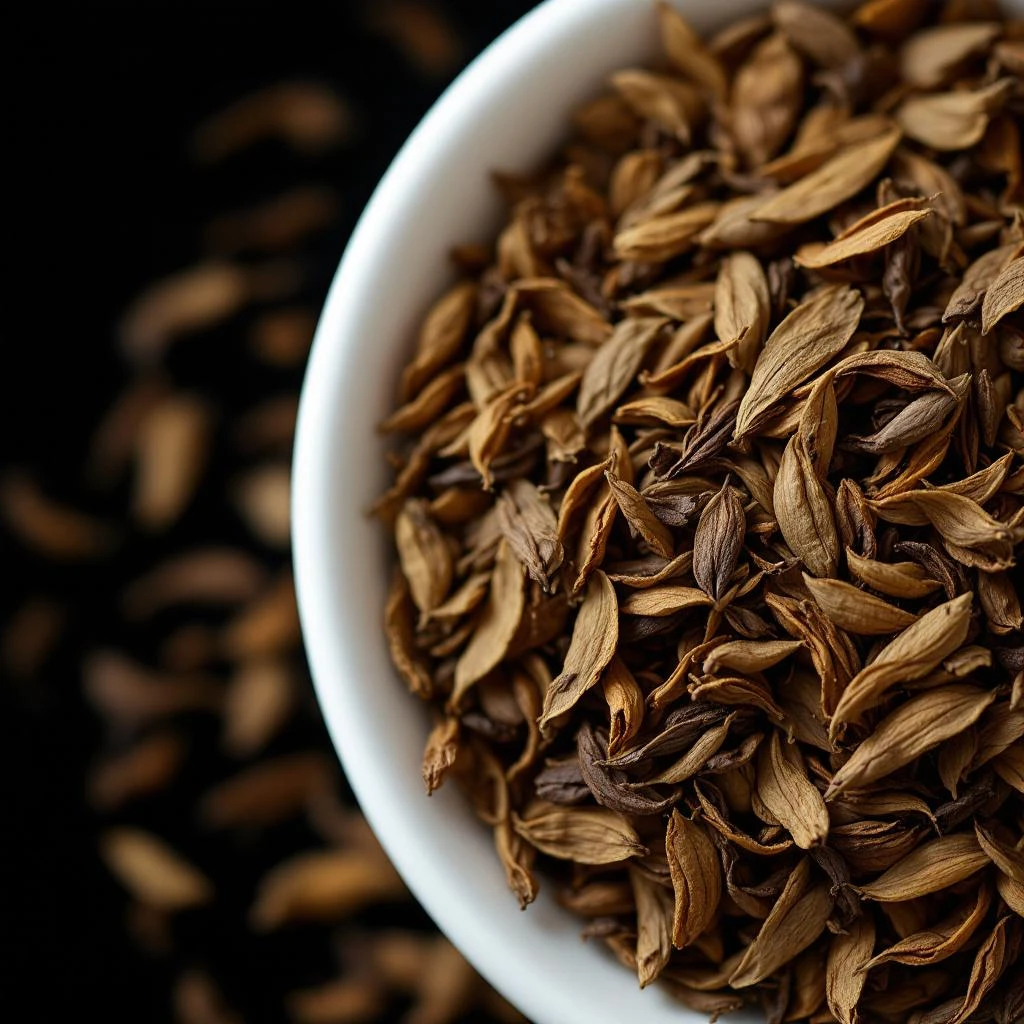
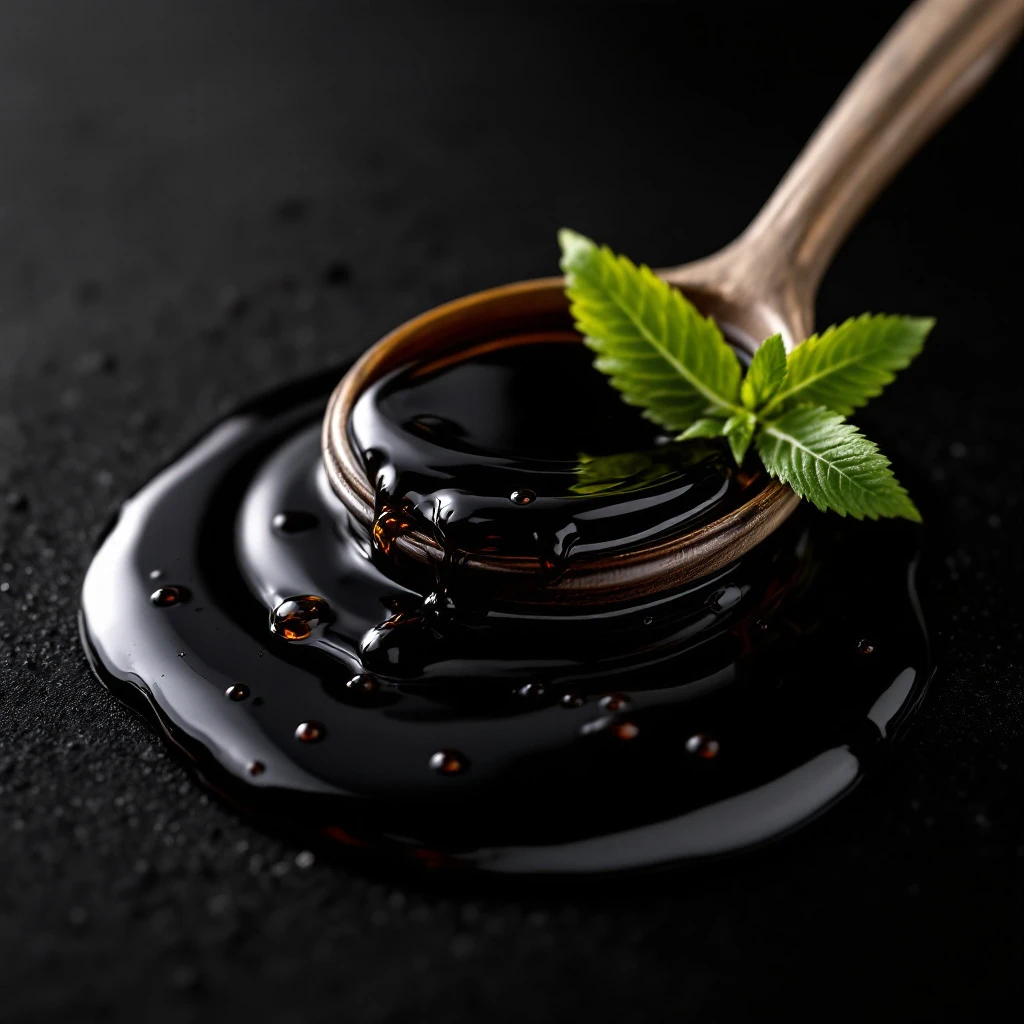
Balsamic Vinegar
In perfumery, balsamic notes evoke the rich warmth of aged resins: syrupy, dark, and deeply comforting. These materials bring body and staying power to fragrances, anchoring lighter elements with a resonant sweetness that lingers on the skin.
Character
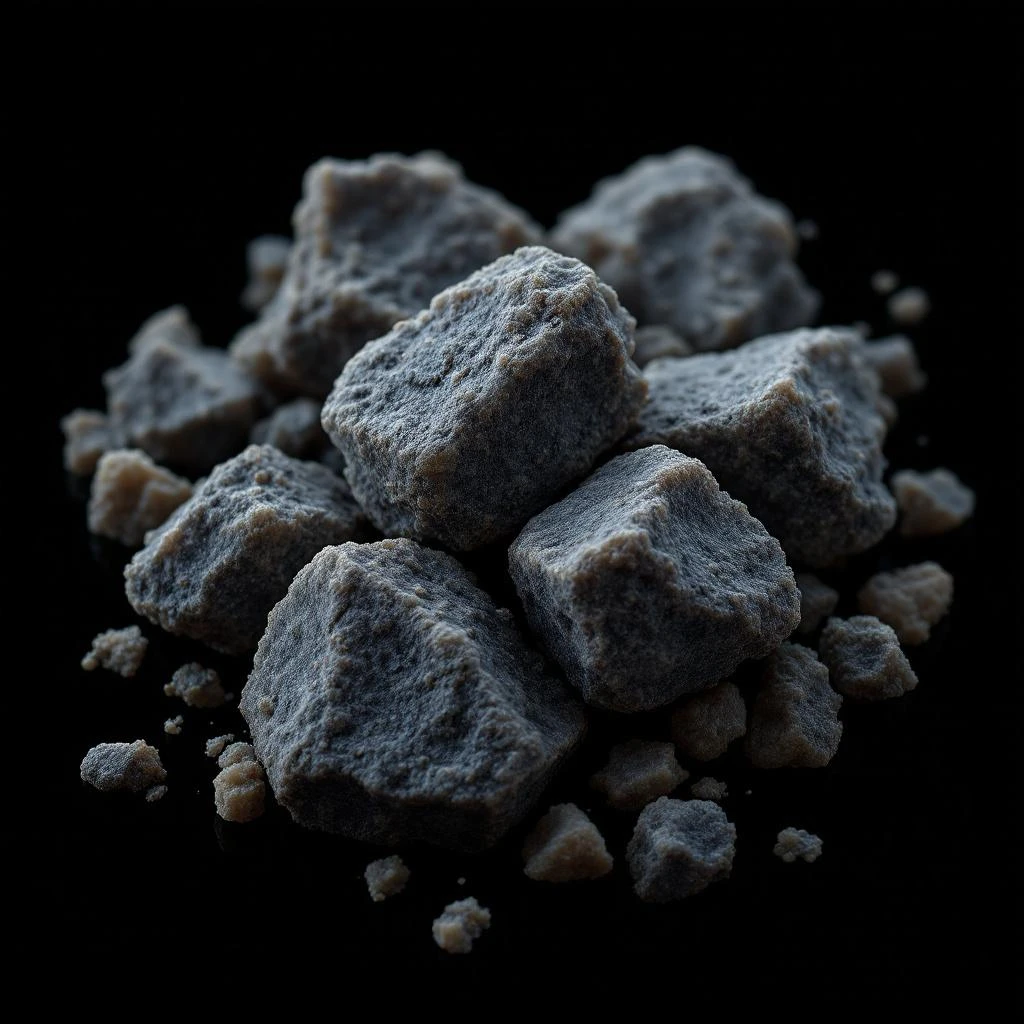
How it smells
Resinous warmth that anchors and endures.
The word 'balsamic' traces to the ancient Latin balsamum, meaning fragrant resin. Perfume-makers borrowed this term to describe any warm, syrupy note derived from tree sap.






Origin
Laos
The association between balsamic materials and fragrance stretches back thousands of years. Ancient Egyptians used frankincense and myrrh, both resinous substances, in religious and cosmetic contexts. The Latin term balsamum and its Greek antecedent balsamon specifically referred to aromatic, resinous substances prized for their fragrance and healing properties.
When perfumers began constructing complex fragrances in the 18th and 19th centuries, they adopted 'balsamic' to describe this warm, resinous category of materials. True culinary balsamic vinegar, with its documented history in Modena and Reggio Emilia since the mid-1700s, remained separate from perfumery terminology, though the shared linguistic root reflects their common resonance: deep, dark, and comfortingly sweet.
Wears it best
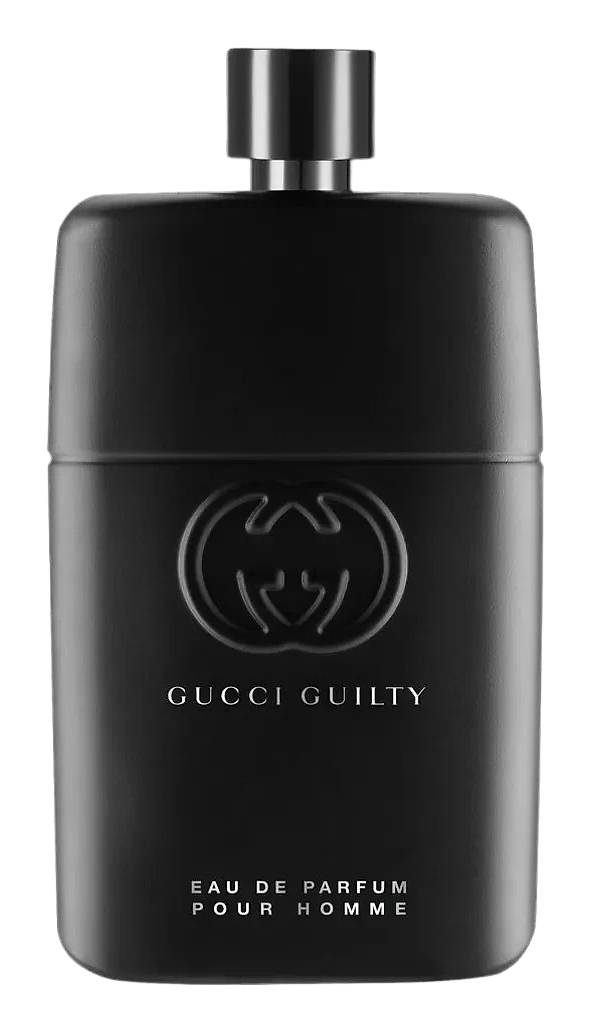
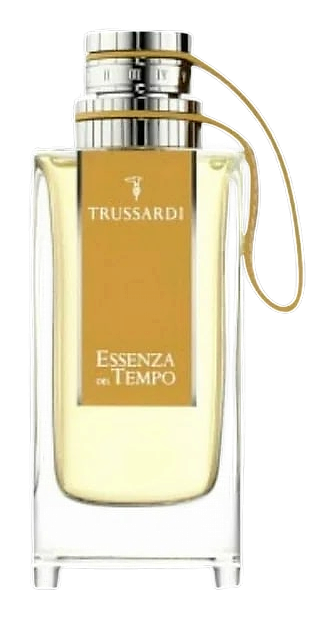
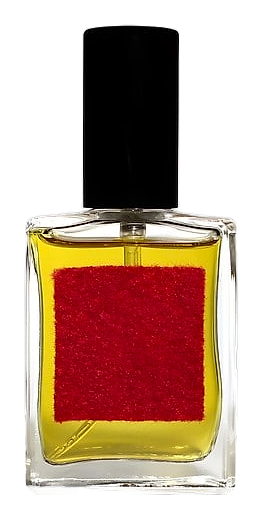
Fragrances featuring Balsamic Vinegar

Brands
Brands known for Balsamic Vinegar
Good to know
Questions, answered
The essentials on Balsamic Vinegar in perfumery: how it smells, where it comes from, and how it behaves on skin.
Does perfumery actually use real balsamic vinegar?
No. Balsamic vinegar is a culinary condiment with a sharp, acidic profile unsuited to fragrance. Perfumery uses the term to describe warm, resinous materials like benzoin, Peru balsam, and tolu balsam that share a sweet, syrupy character.
What are the main balsamic materials used in perfumery?
Benzoin, Peru balsam, tolu balsam, and styrax are the primary balsamic materials. Each offers slightly different nuances, from vanilla-like warmth to leathery depth.
What does a balsamic note smell like?
Balsamic notes smell warm, syrupy, and resinous with sweet undertones. Think of aged wood, dark honey, and faint vanillic warmth. They add roundness and depth to fragrance compositions.
Where does benzoin, a key balsamic material, come from?
Laos is the primary source of Siam benzoin, while Sumatra benzoin comes from Indonesia. Both are tapped from Styrax trees through deliberate bark wounding.
How do balsamic notes function in a fragrance?
Balsamic materials act as fixatives, slowing the evaporation of lighter top notes and adding body to the dry-down. They anchor a fragrance and extend its presence on skin.
Are balsamic notes natural or synthetic?
Most balsamic materials used in perfumery are natural: benzoin, Peru balsam, tolu balsam, and styrax are all plant-derived resins. Synthetic alternatives exist for consistency and cost reasons.
What fragrance families commonly use balsamic notes?
Oriental, gourmand, andchypre fragrances frequently feature balsamic notes. They also appear in certain woody and amber compositions for their warmth and depth.
Can balsamic notes cause skin sensitivity?
Yes. Peru balsam and styrax are known contact allergens. IFRA restricts their use in consumer products, and perfumers use them at carefully controlled concentrations.