Conifer Resin
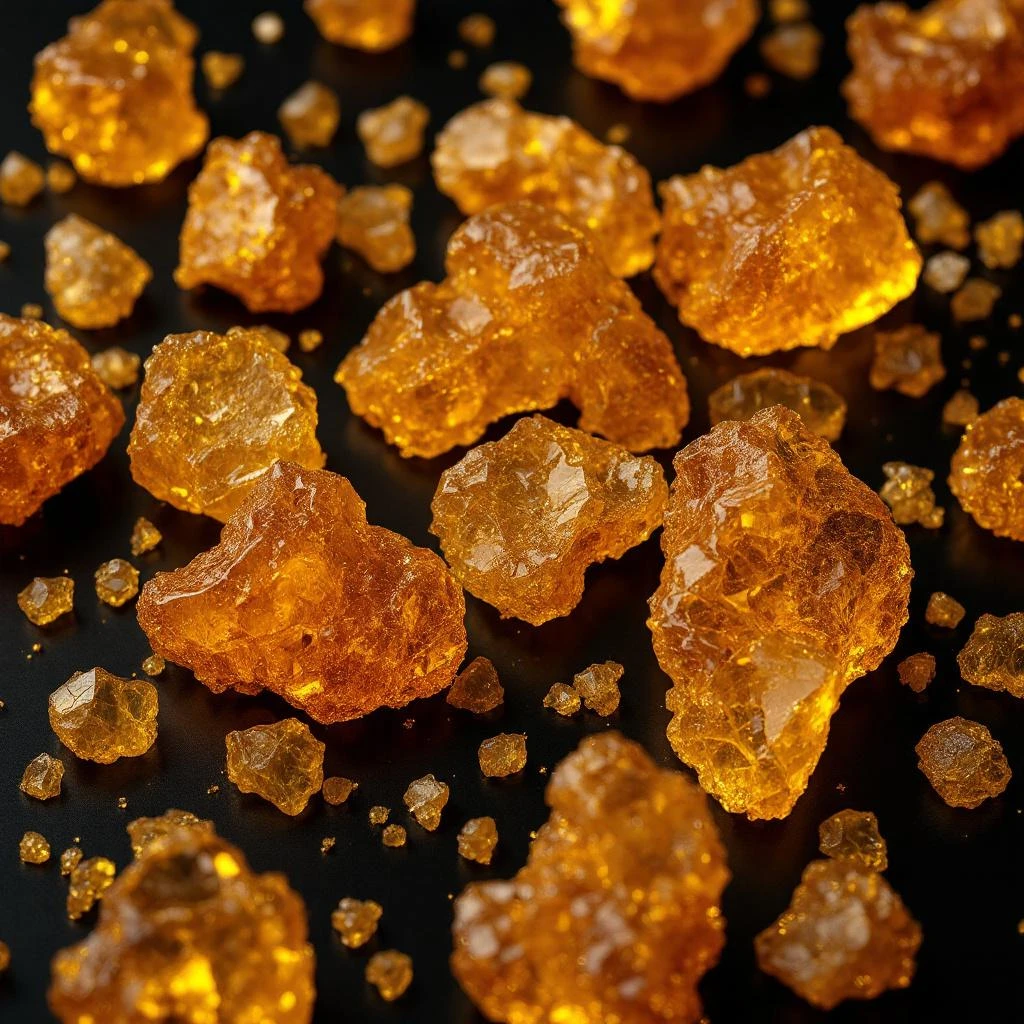
Conifer resin is a natural aromatic exudate harvested from coniferous trees, prized in perfumery for its warm, balsamic complexity that anchors compositions with depth and resinous warmth.
Character
How it smells
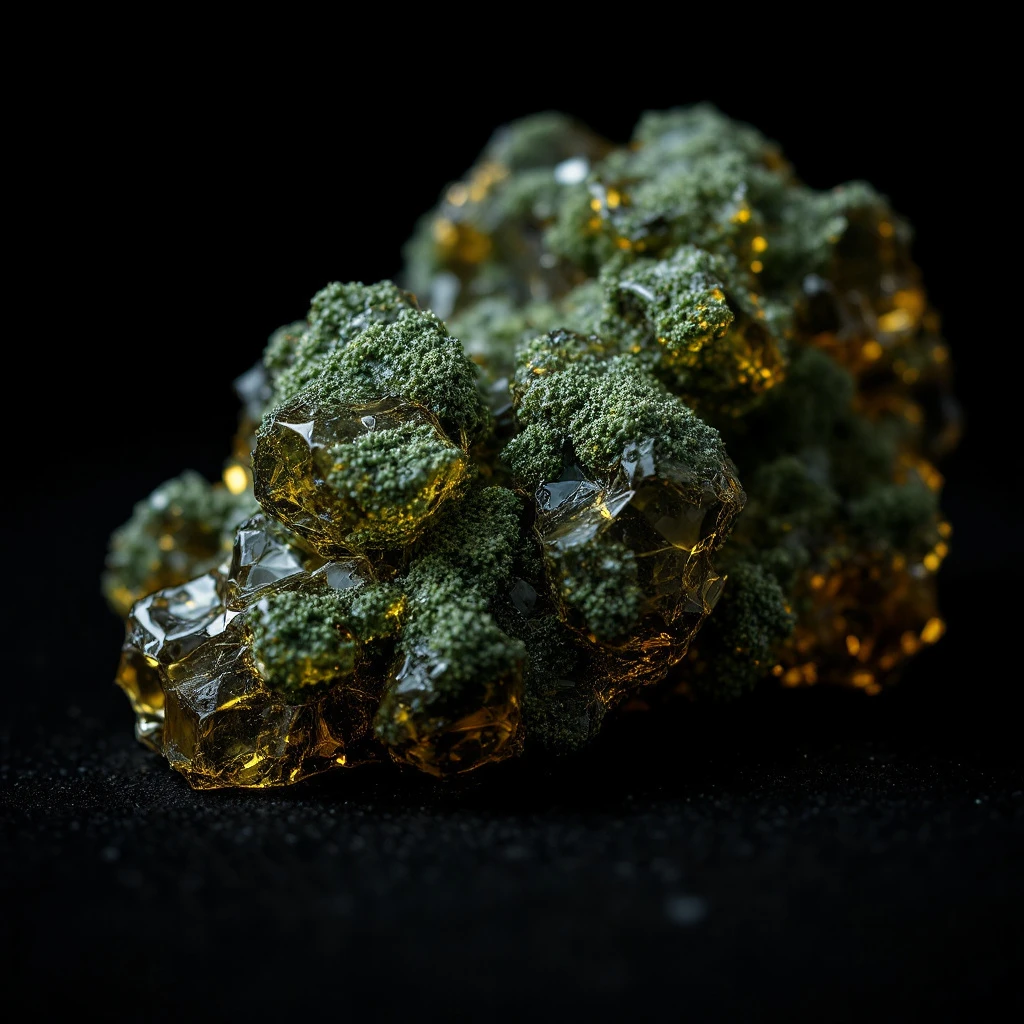
Warm, balsamic depth from ancient trees
Ancient Mesopotamians burned conifer resin as sacred incense in temples, believing it bridged the gap between mortals and their gods.
Pairs beautifully with
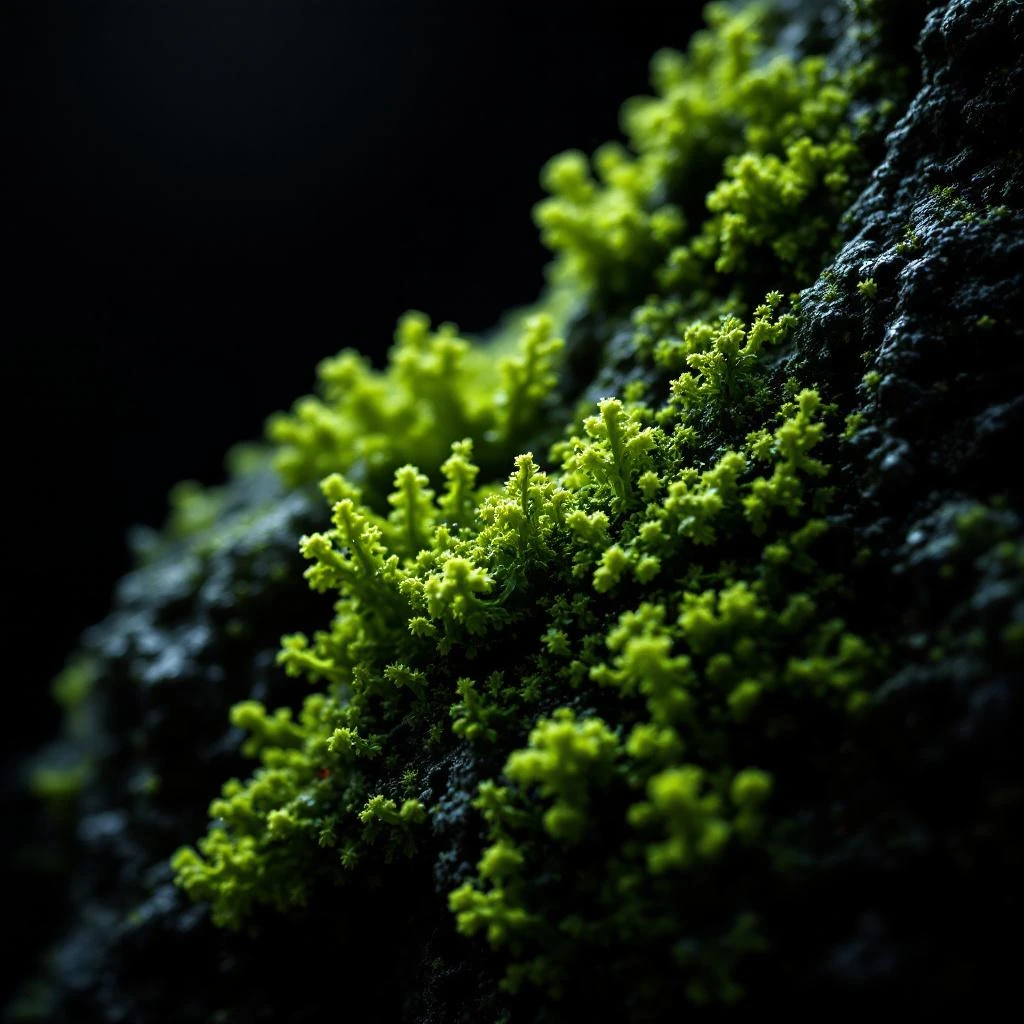
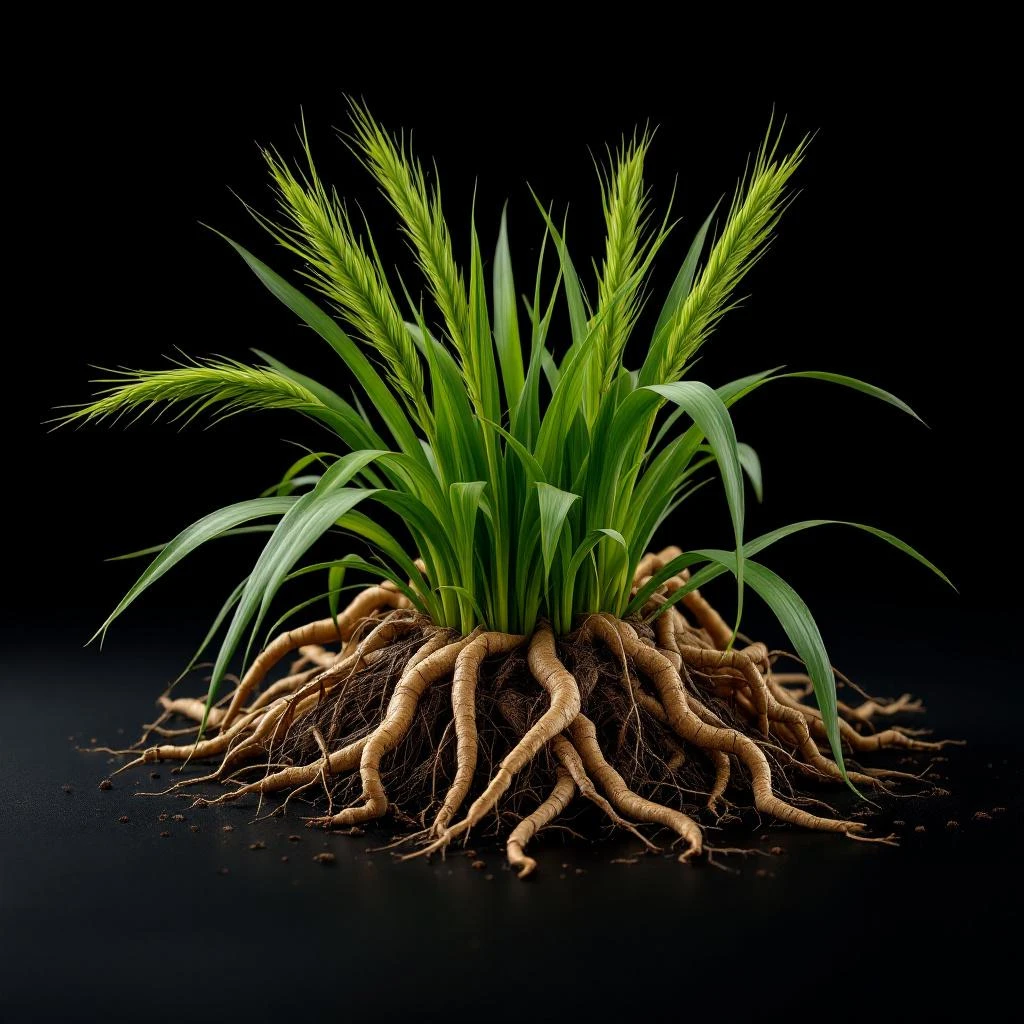
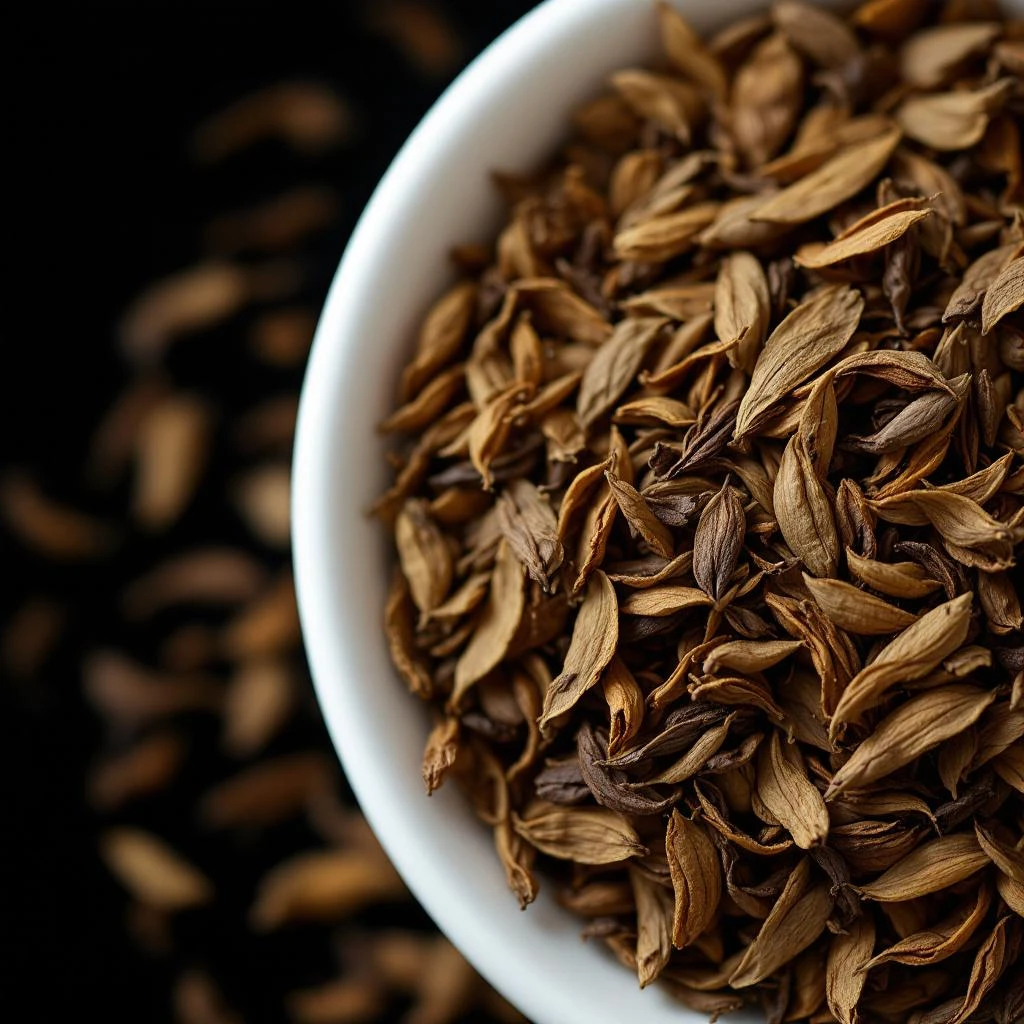

Origin
Syria
The use of conifer resin stretches back over four millennia. In what is now the Middle East, Mesopotamian priests burned these resins as sacred incense during religious ceremonies, reserving the practice for temples where priests and royals sought to draw closer to their gods.
The material held spiritual significance across ancient Mediterranean cultures, appearing in Egyptian funerary rites and Greek religious practices. By the time the modern European perfume industry emerged in late 19th-century Paris, conifer resin had already been a cornerstone of aromatic tradition for thousands of years.
Its transition from sacred smoke to perfume ingredient marked a pivotal moment in fragrance history, bringing ritualistic depth into wearable compositions. Today, conifer resin remains a respected material in both traditional and contemporary perfumery.
Wears it best
Fragrances featuring Conifer Resin
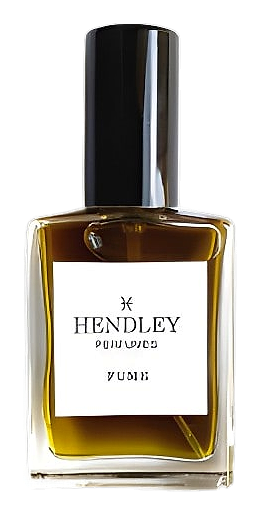
Brands
Brands known for Conifer Resin
Good to know
Questions, answered
The essentials on Conifer Resin in perfumery: how it smells, where it comes from, and how it behaves on skin.
What does conifer resin smell like?
Conifer resin has a warm, balsamic aroma with distinct pine-like freshness layered over deep, sweet resinous notes. It reads as both woody and slightly medicinal, creating an aromatic bridge between forest air and sacred incense.
Which fragrance families use conifer resin?
Conifer resin appears primarily in oriental and woody fragrance families. Perfumers use it as a base note to add lasting depth, warmth, and a resinous backbone that extends dry-down longevity.
Is conifer resin a natural or synthetic ingredient?
Conifer resin is a fully natural ingredient harvested from coniferous trees. It is not synthesized, though synthetic alternatives exist for specific aromatic molecules found within the resin.
How is conifer resin harvested?
Harvesters make controlled cuts into conifer tree bark, allowing the natural resin to slowly weep out. The liquid hardens into tears or masses over weeks, then collectors gather the crude material by hand.
What is the difference between conifer resin and frankincense?
Conifer resin and frankincense come from different botanical families. Frankincense (Boswellia) grows primarily in the Horn of Africa and Arabian Peninsula, while conifer resin derives from trees in the Burseraceae family found across Syria, Asia Minor, and North Africa.
Does conifer resin contain vanillin?
Conifer resin contains compounds related to vanillin, particularly when derived from pine species. In 1874, chemist Wilhelm Haarmann first synthesized vanillin using compounds extracted from pine bark, a discovery tied to conifer chemistry.
What extraction process creates conifer resin absolute?
The process begins with solvent extraction of crude resin to create a concrete. This concrete is then washed with alcohol to remove waxes and impurities, yielding the final absolute used in perfumery.
Is conifer resin sustainable?
Sustainable harvesting requires leaving enough resin for tree health and avoiding over-tapping. Wild-harvested resin from well-managed sources is considered more sustainable than replacing ancient trees, as most conifers regenerate bark damage over time.