The Story
Why it exists.
The beginning
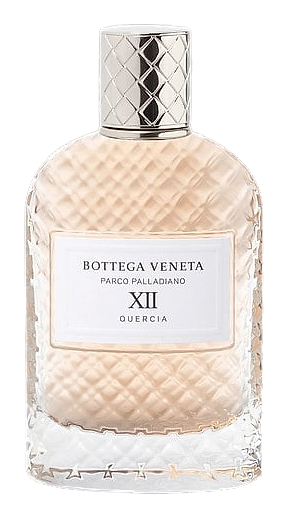
Quentin Bisch designed Parco Palladiano XII: Quercia as a study in what a tree remembers. "Quercia" is oak in Italian, and this fragrance traces the entire life of the thing, from root to canopy. The Parco Palladiano collection draws from Venetian gardens and the Palladian aesthetic: architecture that uses restraint as its loudest statement. Where other fragrances in the line went bright, the neroli of number eight, the citrus of earlier entries, Quercia went deep. Underground, into bark, into the kind of wood that doesn't catch fire easily. Bisch wasn't building a mood. He was building a monument to stillness.
What makes Quercia unusual is the pepper-to-resin arc. Most woody fragrances open with wood and stay there. This one opens with the bright bite of black and pink pepper, almost a shock against the name, then lets labdanum and cardamom take over the middle ground. The heart doesn't rush. It sits. And when the base finally arrives, it arrives with authority: oak, frankincense, oakmoss, cashmere wood, patchouli, benzoin. Six materials working the drydown. That's not typical. The cashmere wood in particular acts as a bridge, it keeps the transition from spice to smoke from feeling abrupt. Instead, it flows. Cool air to warm resin. The way a forest actually smells at dusk.
The evolution
The opening hits fast, pepper, bright and almost synthetic-feeling, but gone within twenty minutes. What's left is the labdanum, which gives the fragrance its first surprise: a warm, almost honeyed quality that nobody expects from something called Quercia. The cardamom follows, adding a green spice that keeps things grounded without going sharp. By hour two, the oak arrives. Not the photorealistic wood of a Dior Sauvage or a Tom Ford, something drier. Bark, not lumber. The frankincense comes next, and this is where the fragrance earns its name. Smoke without heat. Incense in a room where someone's just left. The drydown lasts, six to eight hours depending on skin, and by the end you're left with benzoin's faint sweetness and patchouli's earth, clinging to the wrist like a memory of a walk through a very old garden.
Cultural impact
Quercia occupies a specific corner of the woody-spicy market, for people who've moved past projection and into presence. The fragrance doesn't need to announce itself. Community reviews describe it as the scent of someone who walks into a room and doesn't need to look up. The moderate sillage is either the appeal or the limitation, depending on what you're after.