Nicholas Nilsson
Nicholas Nilsson launched Pineward Perfumes in 2020, graduating from college straight into a pandemic-stalled job market and deciding to build something of his own instead of waiting for opportunity to knock. Based in Utah, he operates as a self-taught indie perfumer with no formal training from a prestigious fragrance house, which means his work carries an outsider's fresh perspective alongside the rigor of someone who taught themselves every step. Nilsson built Pineward as a vehicle for exploring a very specific sensory territory: the forest. While many brands pay lip service to nature, his line lives and breathes evergreen. The brand gained traction quickly among fragrance collectors drawn to its authenticity and its perfumer's genuine obsession with coniferous materials. What sets Nilsson apart is not polish from a traditional school but an almost scientific fascination with pine, fir, cedar, and all their botanical cousins.
The hits
Notable creations




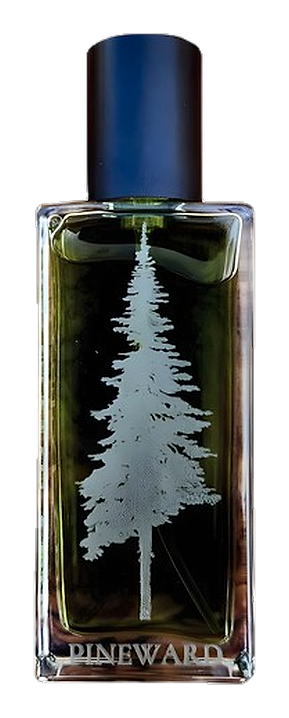
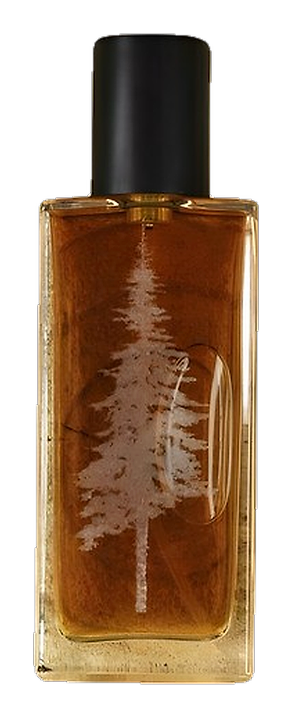
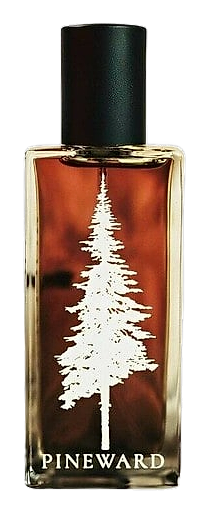
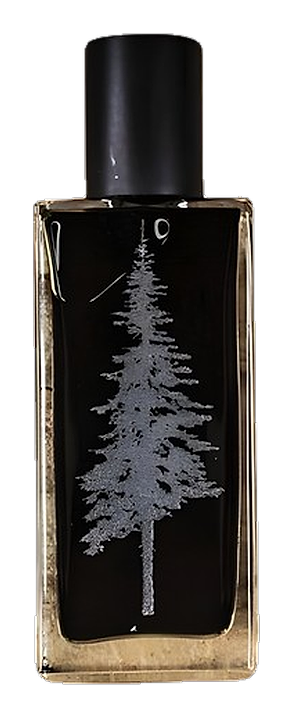

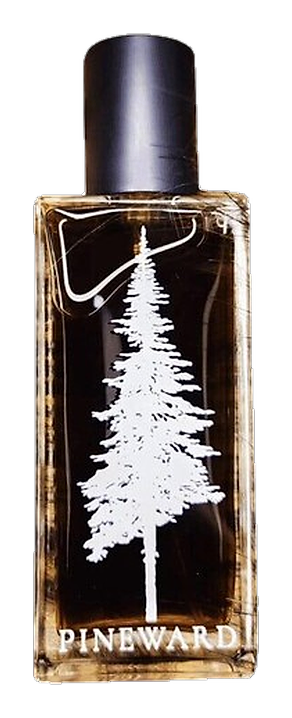
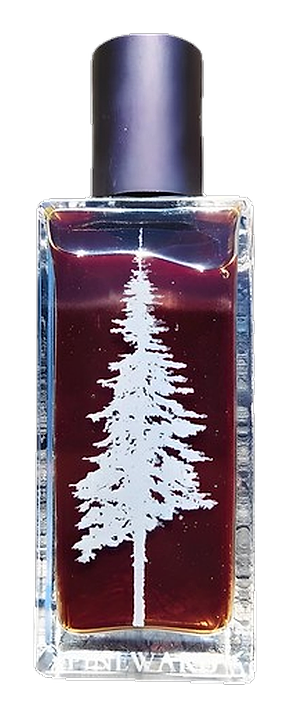

The signature
How Nicholas composes
Nilsson's signature lies in hyper-realistic forest atmospherics. Where many perfumes evoke woods with abstract, warm woods accords, he builds scents that feel like stepping into a specific woodland moment. Resinous drips from a broken twig, the smell of damp needles underfoot, the sharp clarity of mountain air. He favors natural materials when they deliver the precision he seeks, and his formulations tend toward technical clarity. The style rewards attention, revealing different facets as the fragrance develops on skin. He keeps bottles small and focused, 30ml formats that encourage exploring the full range of a scent rather than growing bored with a single bottle. His work suggests someone more interested in solving a creative puzzle than in following trends.
Philosophy
What drives Nicholas
For Nilsson, fragrance is a way to capture landscape in liquid form. He draws inspiration not from abstract concepts but from specific places and moments in nature, particularly the coniferous forests that surround his Utah home. He approaches each fragrance like a field researcher documenting a location, seeking to recreate not just the smell but the feeling of standing in a particular grove at a particular hour. This grounded philosophy means his work rejects the idea that natural materials must be softened or civilized to work in perfume. He lets coniferous notes lead, trusting that their complexity can carry a composition without needing to be disguised beneath florals or sweetness.
The houses
Maisons Nicholas composes for
In the same league