
The Story
Why it exists.
The beginning
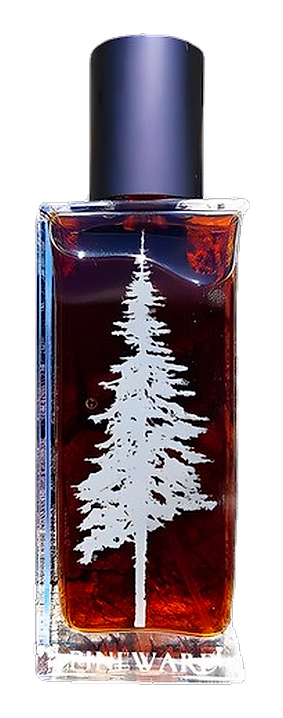
The name Cotswold pulls from pastoral England, stone villages, hedgerows, the quiet between fields. But Nilsson is not painting meadows. He is transplanting that idea of countryside refuge into Colorado pine country. A rough-hewn cabin deep in the woods. Planks darkened by years of woodsmoke. The Cotswold as a shelter you walk toward, not a landscape you admire from a distance. The fragrance opens with cool pine needles, a sharp green bite that immediately places you among the trees. Beneath that evergreen brightness, smoke begins to rise, not harsh but present, like embers catching after rain. The combination of conifer and char creates something unexpected: the smell of a forest after a fire has burned through, still warm, still alive.
What makes Cotswold stand apart from the rest of the Pineward line is the vanilla drydown that arrives hours later. Most woody fragrances stay true to their conifer origins throughout their wear. Cotswold softens. It yields. The ponderosa pine needles, Nilsson's signature experiment that later spawned an entire fragrance called Ponderosa, add an aromatic brightness that keeps the smoke from becoming heavy. Cedar and oak provide the structural warmth, but it is the vanilla that changes the conversation from wilderness exposure to wilderness comfort.
The evolution
The opening lands green and sharp, ponderosa pine needles cutting through before the smoke fully announces itself. That cool conifer note is the first thing you notice, and it is not gentle. Give it ten minutes. The smoke thickens, cedar joins, and the composition shifts from forest walk to campfire proximity. The cedar-oak heart holds for several hours, warm and slightly powdery as the smoke settles into something less sharp and more atmospheric. The vanilla arrives later, creamier than expected, rounding the edges of all that wood and char. The drydown is not smoky in the way the opening was. It is warm. Sweet. The kind of skin-scent you notice the next morning before you have fully woken up. The fragrance evolves across the day, each phase distinct but connected, the pine needles giving way to smoke giving way to vanilla in a progression that feels natural rather than staged.
Cultural impact
Among Pineward's lineup, Cotswold occupies a specific niche: warmth and shelter rather than open wilderness immersion. It reads as a quieter counterpart to the brand's more outward-facing compositions, a fragrance that turns inward rather than projecting the vastness of the forest. The ponderosa pine experiment here predates its standalone fragrance, making Cotswold a testing ground for a note that became its own obsession within the brand's catalog. The fragrance demonstrates how a house known for evergreen-forward compositions can shift toward warmth and comfort without abandoning its forest roots.