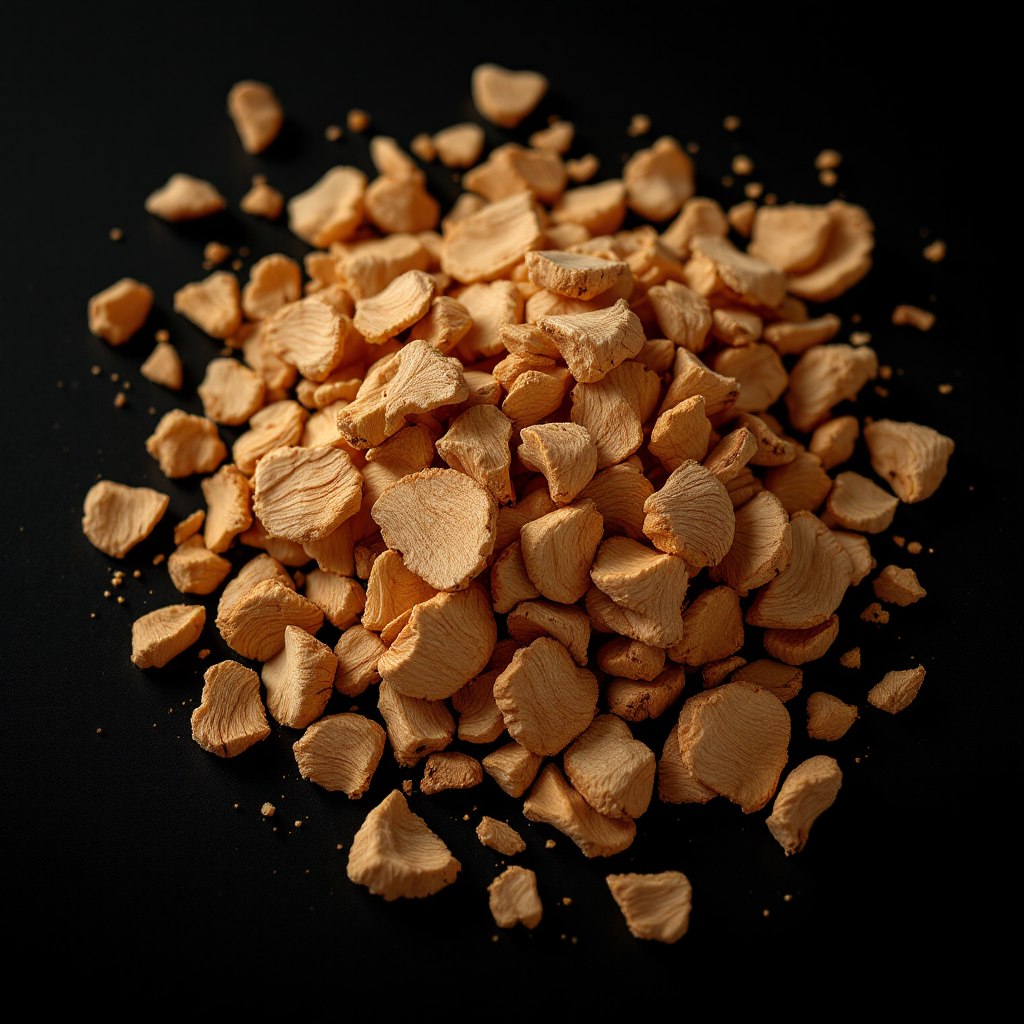
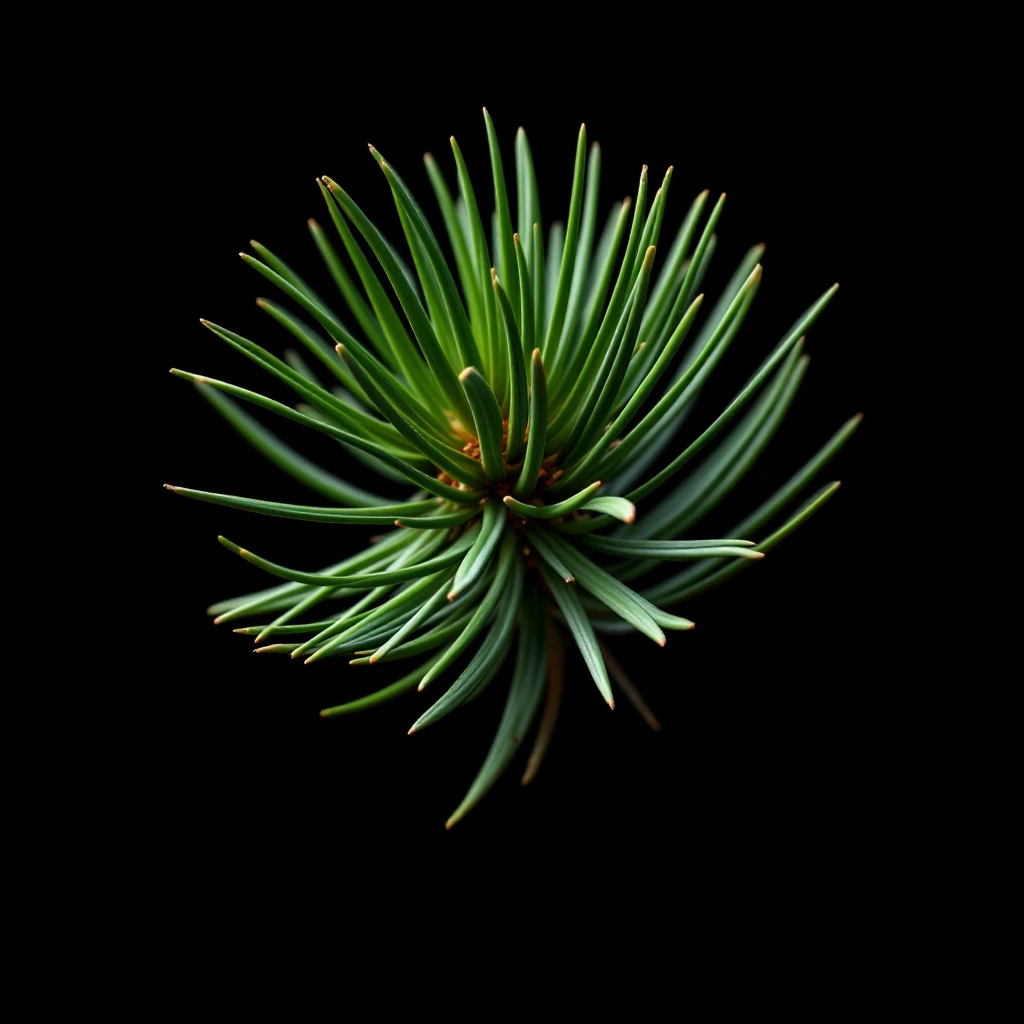
Ponderosa Pine Needle
Ponderosa pine needles deliver a crisp, elevated forest scent with turpentine-like freshness and subtle citrus undertones. Native to western North America, this essential oil has perfumed formulations for centuries.
Character
How it smells
The scent of wide-open western forests
A single mature ponderosa pine can contain over 30 liters of resin, which the tree uses for defense and wound sealing.
Pairs beautifully with


Origin
United States
Ponderosa pine has served Indigenous peoples of western North America for centuries, who used the needles and resin for ceremonial purposes, medicinal treatments, and aromatic applications. When European settlers arrived, they adopted and adapted these traditional uses, integrating ponderosa into frontier medicine cabinets.
The broader pine family carries an even older legacy: ancient Egyptians employed pine essential oils in embalming practices, while ancient Greeks documented its use for respiratory and muscular ailments. Throughout European history, pine needle preparations treated fevers, rheumatism, and inflammation.
The introduction of steam distillation in the 19th century revolutionized extraction methods, making pine needle oil more accessible for commercial perfumery. Today, ponderosa pine remains significant in artisan fragrance work, valued for its authentically American forest character that distinguishes it from European pine species.
Wears it best
Fragrances featuring Ponderosa Pine Needle
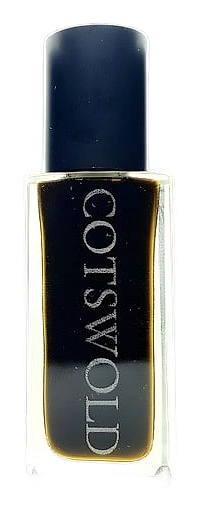
Brands
Brands known for Ponderosa Pine Needle
Good to know
Questions, answered
The essentials on Ponderosa Pine Needle in perfumery: how it smells, where it comes from, and how it behaves on skin.
What is ponderosa pine needle essential oil?
It is a steam-distilled essential oil from Pinus ponderosa needles and twigs. The oil captures the crisp, resinous character of western North American forests.
What does ponderosa pine needle oil smell like?
The scent opens with sharp, turpentine-like freshness balanced by earthy camphor and subtle citrus notes from limonene content.
How is ponderosa pine oil extracted?
Producers harvest needles and young twigs, then use steam distillation for 60 to 180 minutes at 100 to 180 degrees Celsius to release aromatic compounds.
Can I apply ponderosa pine needle oil directly to skin?
No. Always dilute to 1-3% in a carrier oil before topical application. Direct use may cause irritation, especially on sensitive skin.
Is synthetic pine oil the same as natural pine needle oil?
No. Synthetic alternatives mimic isolated compounds like alpha-pinene but lack the full complexity and subtle variations found in naturally extracted oil.
Where does ponderosa pine grow naturally?
The species is native to western North America, thriving across the Rocky Mountains, Pacific Northwest, and high deserts of the American Southwest.
What are the main chemical components of pine needle oil?
Alpha-pinene and beta-pinene dominate, along with camphene, limonene, and bornyl acetate, which together create the characteristic fresh, woody aroma.
Is ponderosa pine oil safe for aromatherapy?
When properly diluted and used in moderation, yes. Avoid during pregnancy, and consult a healthcare provider if you have respiratory conditions or are taking medications.