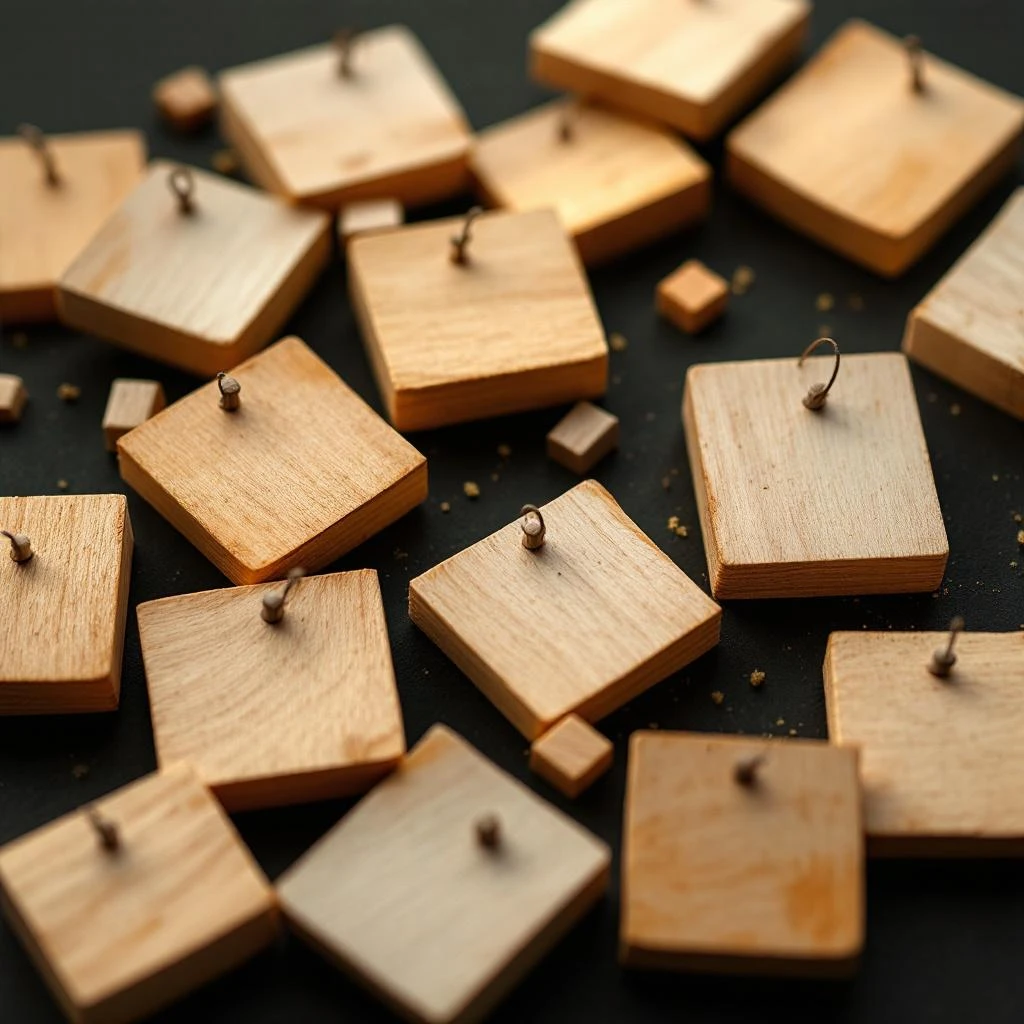
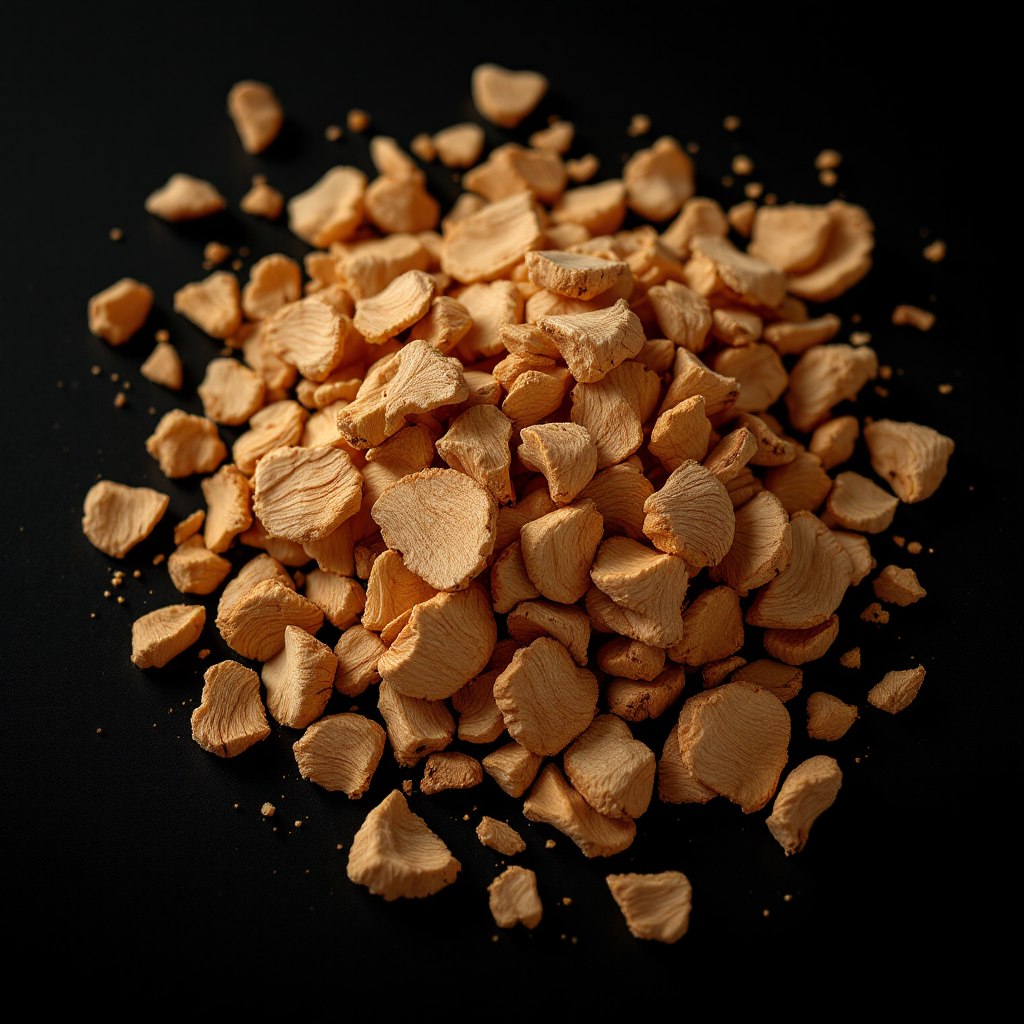
Mahogany
Mahogany brings a warm, woody depth to fragrance with smooth resinous undertones and a quiet, polished richness. It anchors compositions without overpowering, lending a sense of aged timber and quiet sophistication.
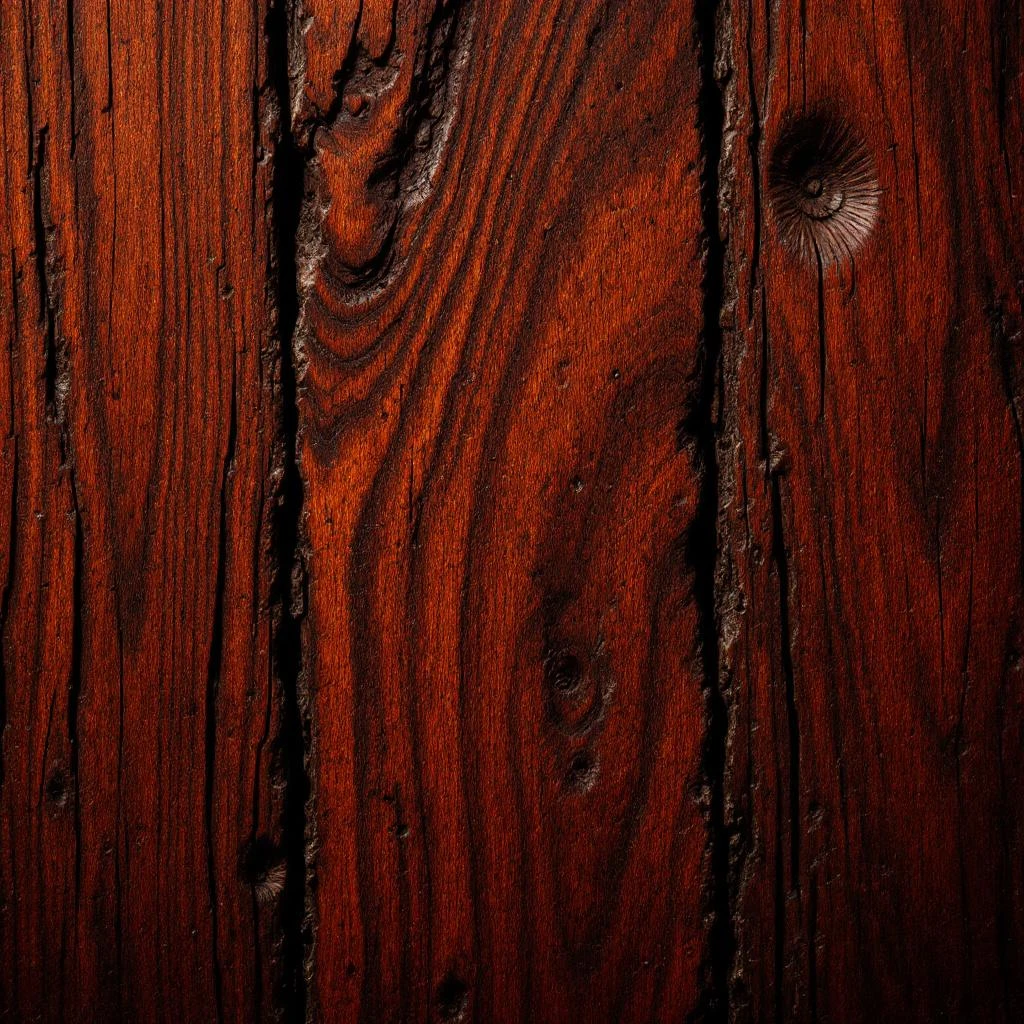
Character
How it smells
Aged wood in liquid form
Genuine mahogany species (Swietenia) are now CITES-regulated due to overharvesting, so most perfumery 'mahogany' notes are built from other woods and aroma chemicals.









Origin
Honduras
Mahogany earned its place in European perfumery through furniture before fragrance. Spanish colonists in the Caribbean prized Swietenia mahagoni for shipbuilding and cabinetmaking from the 1500s onward, and woodworkers prized its aromatic shavings.
By the 18th century, mahogany had become the preferred wood of European cabinetmakers, from Chippendale to Hepplewhite, and its scent became culturally synonymous with luxury interiors. The transition into perfumery came gradually, as woody accords gained popularity in the late 19th and early 20th centuries alongside the rise of fougère and oriental structures.
Cuban and Honduran mahogany dominated the trade until overharvesting prompted international protection. Today, the note carries associations of antique libraries, leather-bound volumes, and the kind of quiet, polished wood found in heirloom furniture, a nostalgia perfumers actively work to recreate through alternative sources.
Wears it best
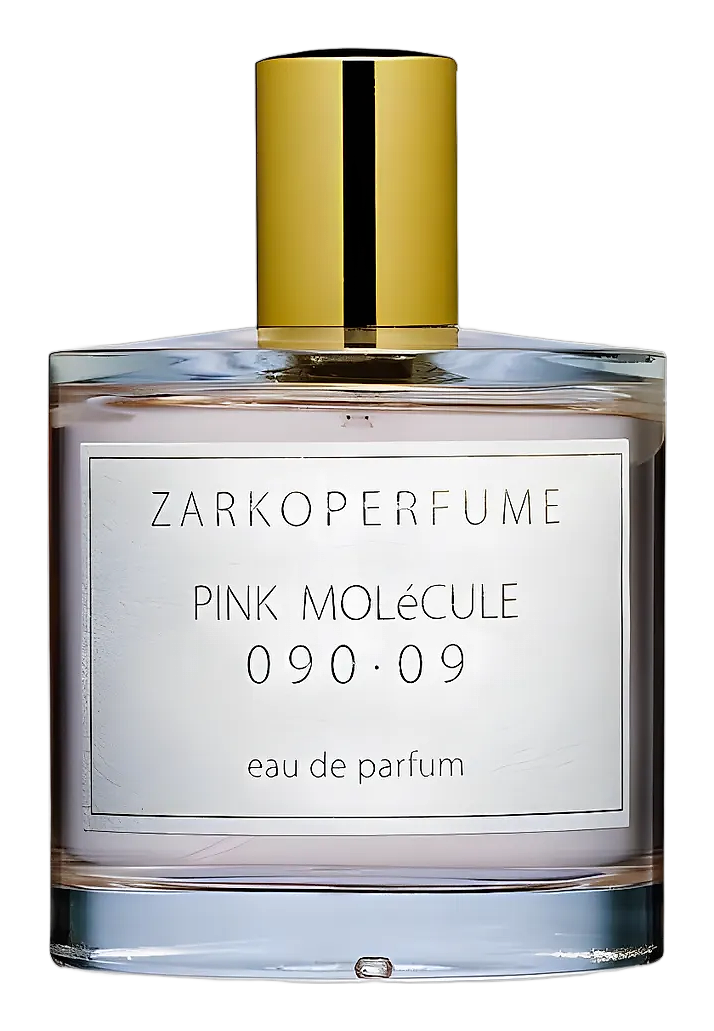
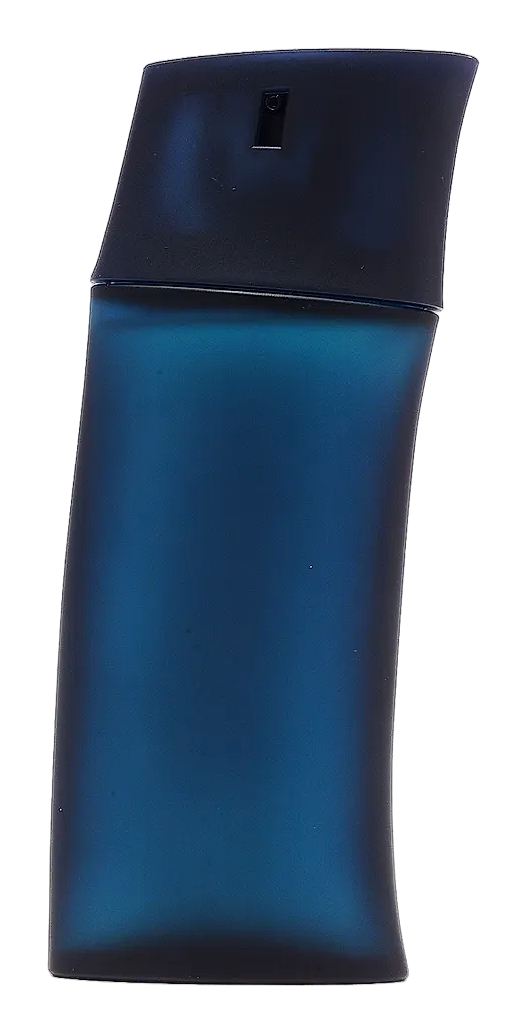
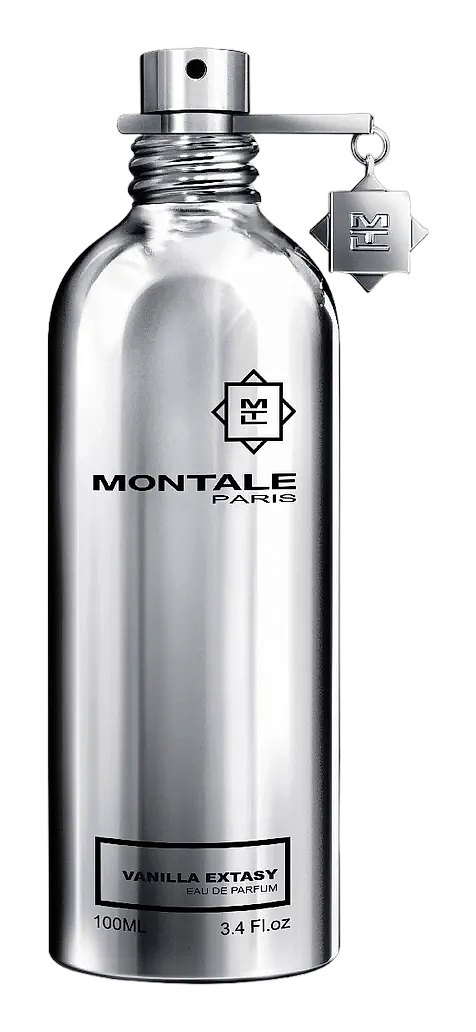
Fragrances featuring Mahogany
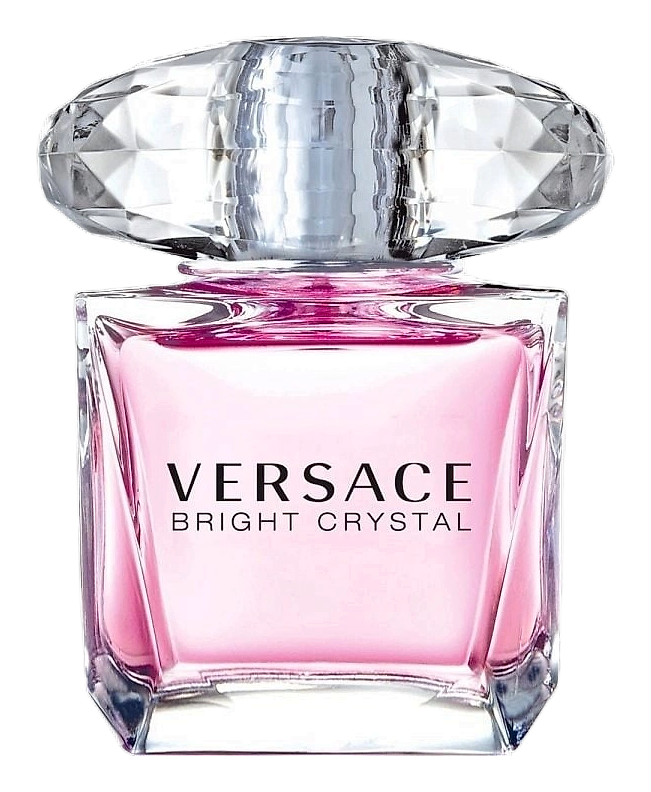

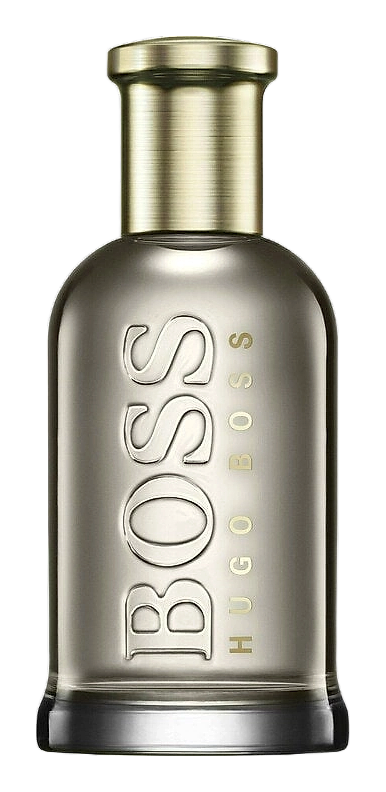
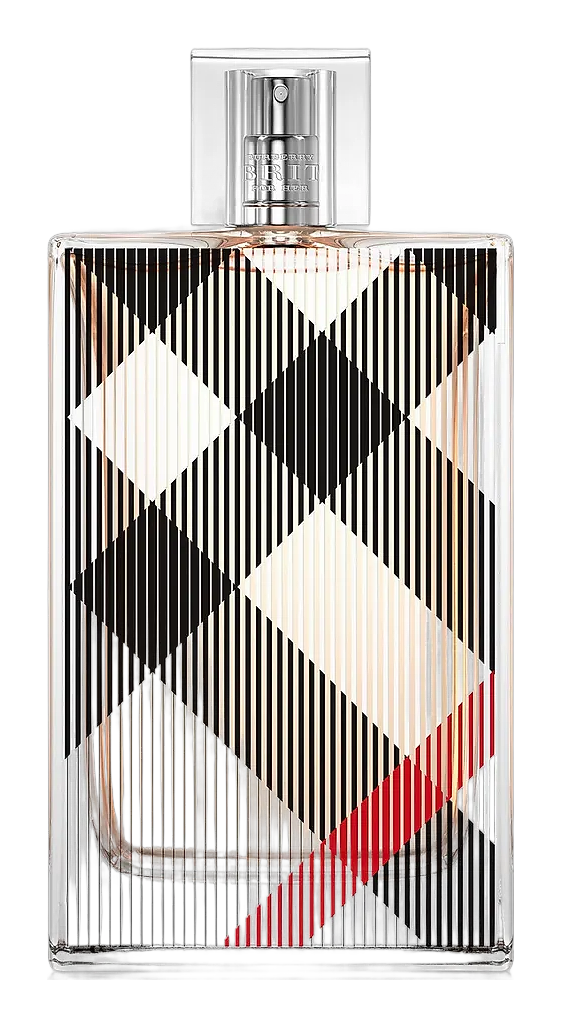

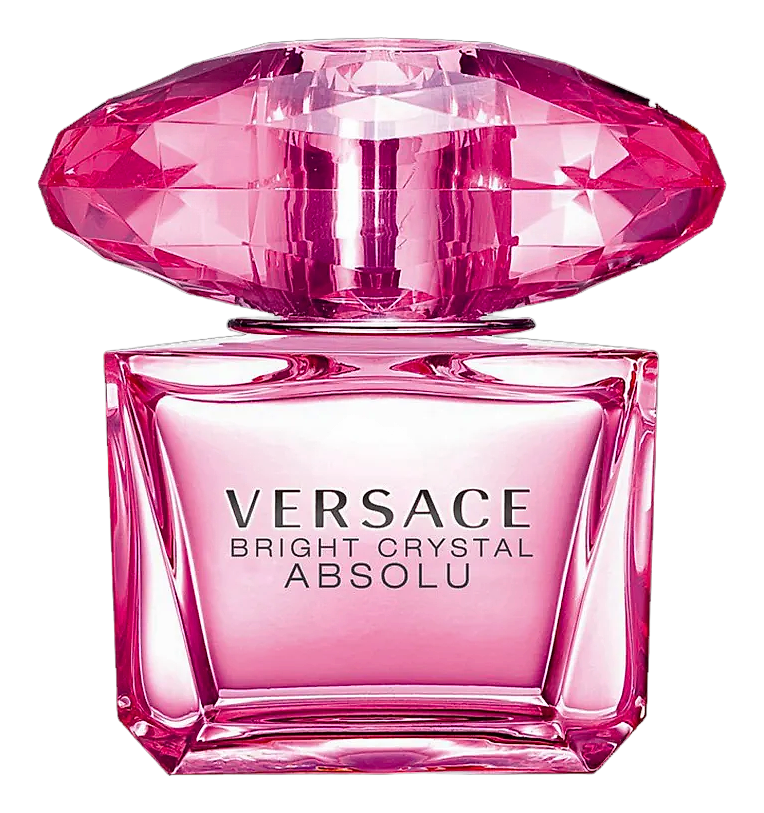

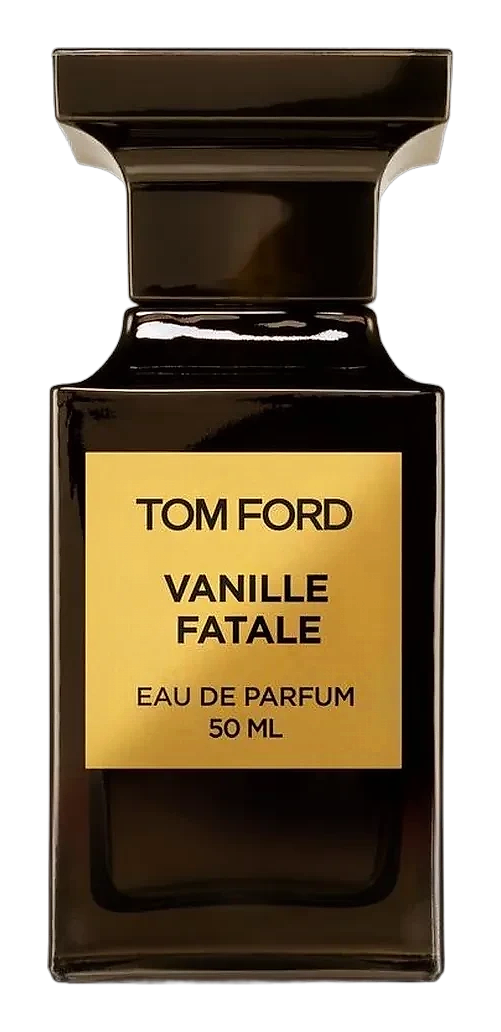

Brands
Brands known for Mahogany
Good to know
Questions, answered
The essentials on Mahogany in perfumery: how it smells, where it comes from, and how it behaves on skin.
What does mahogany smell like in perfume?
Mahogany smells warm, woody, and softly resinous, with a smooth, polished quality. It carries hints of cedar and faint sweetness, lacking the sharper pine notes common in other wood oils. The character is understated rather than bold.
Is mahogany a natural or synthetic fragrance ingredient?
Historically natural, but increasingly synthetic in modern perfumery. Genuine Swietenia species are CITES-regulated due to deforestation, so most current mahogany-style notes use alternative hardwoods and aroma chemicals like Iso E Super.
Where does mahogany for perfume originally come from?
Genuine mahogany oil traces to Central America, particularly Honduras, Cuba, and Jamaica, where Swietenia macrophylla and Swietenia mahagoni grow. These species supplied the original woody note now widely imitated through sustainable alternatives.
How is mahogany oil extracted from wood?
Steam distillation of heartwood shavings and sawdust is the primary method. Some producers use solvent extraction to capture heavier, less volatile resinous compounds that standard distillation misses.
What fragrance families feature mahogany?
Mahogany appears most in woody oriental and fougère compositions, where it provides a warm base. It also anchors leather and chypre structures, lending depth without the sharper edges of vetiver or patchouli.
Why is real mahogany hard to source for perfumery?
Overharvesting for furniture and construction placed Swietenia species on CITES Appendix II in 2002. International trade restrictions now limit commercial extraction, making genuine mahogany oil rare and expensive.
Is mahogany note the same as cedarwood?
No. Cedarwood carries sharper, more camphoraceous and pine-like qualities, while mahogany reads smoother, warmer, and subtly resinous. In perfumery, they serve different roles despite both being woody base notes.
What other notes pair well with mahogany?
Mahogany pairs naturally with leather, vanilla, tonka bean, and amber for warm compositions. It also complements rose, tobacco, and cardamom, balancing spicy and floral top notes with its grounded woody base.