Black Walnut
Black walnut imparts a rich, nutty warmth with earthy, slightly mossy undertones that ground woody and gourmand compositions. As a base note, it adds depth and a natural, forest-floor character that bridges aromatic and culinary spaces. Its use remains rare in fine perfumery, making it a distinctive choice for artisan fragrances seeking unconventional natural materials.
Character
How it smells
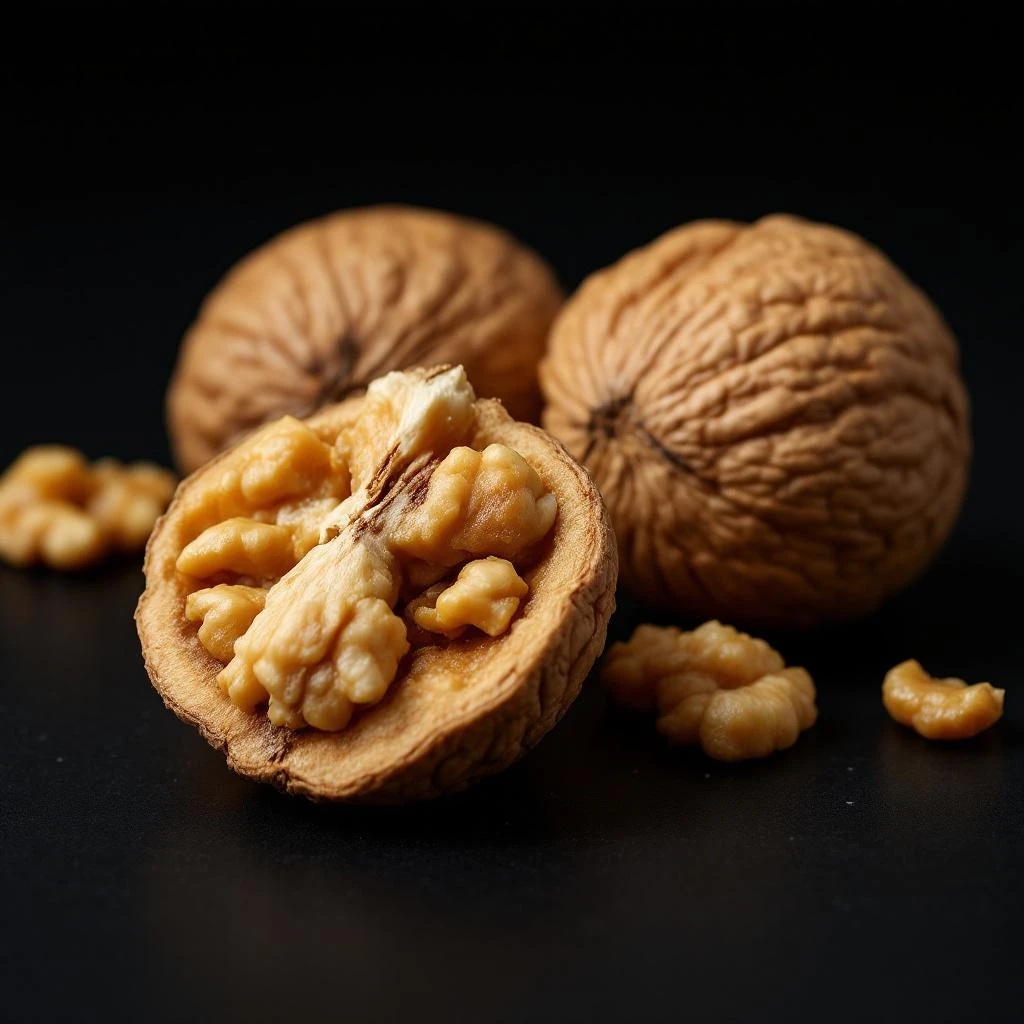
Deep, nutty warmth with an earthy backbone of forest floor.
The green hulls of black walnut contain juglone, a compound that acts as a natural herbicide, preventing competing plants from growing near the tree.





Origin
United States
Black walnut holds deep roots in North American indigenous cultures, where Native American tribes relied on the nuts as a staple food source and medicinal material for centuries before European contact. While European perfumers focused on established Mediterranean ingredients like lavender and rose, North American traditions incorporated walnut in folk medicine and practical applications. The tree's distinctive scent when hulls decompose naturally in autumn forests created aromatic associations that persisted in regional memory.
Contemporary natural perfumers have revisited black walnut as a bridge between culinary and aromatic traditions, finding value in its capacity to evoke grounded, place-based experiences. The ingredient remains uncommon in commercial perfumery but has found a following among independent perfumers seeking materials that carry both historical weight and sensory uniqueness.
Wears it best
Fragrances featuring Black Walnut
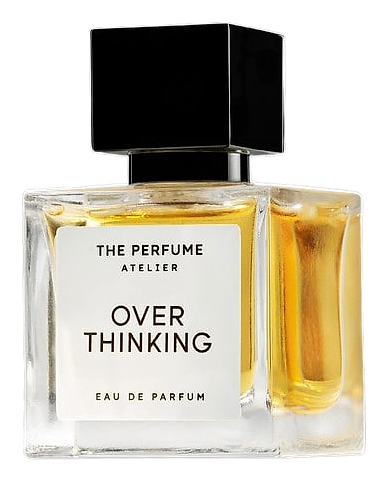
Brands
Brands known for Black Walnut
Good to know
Questions, answered
The essentials on Black Walnut in perfumery: how it smells, where it comes from, and how it behaves on skin.
What does Black Walnut smell like in perfume?
Black walnut delivers a deep, nutty aroma with earthy undertones reminiscent of forest floors and decaying leaves. In perfume, it reads as warm, grounded, and slightly mossy, adding complexity rather than brightness. The scent is often compared to a combination of roasted nuts and damp earth.
Why is Black Walnut used in perfumery?
Black walnut adds distinctive depth and grounding warmth that few other ingredients provide. Its rarity (less than 0.1% of fragrance ingredients) gives perfumes a unique character that stands apart from conventional woody notes. Perfumers also value it for bridging aromatic and culinary olfactory territories.
Is Black Walnut in perfume natural or synthetic?
Black walnut used in perfumery is almost always natural, extracted from the green hulls of Juglans nigra. No widely accepted synthetic equivalent exists. The ingredient remains uncommon, appearing primarily in artisan and natural fragrance lines rather than mass-market products.
What famous perfumes contain Black Walnut?
Black walnut remains too rare for inclusion in blockbuster fragrances. It appears exclusively in niche and indie perfumes, particularly those from independent natural perfumers. Specific brand names with transparent ingredient listings would need verification from each perfumer.
Is Black Walnut a top note, heart note, or base note?
Black walnut functions as a base note in perfumery due to its low volatility and lasting presence. The material's molecules are large and heavy, meaning they linger on the skin for hours while slowly releasing their aromatic profile throughout wear.
What notes pair well with Black Walnut in perfume?
Black walnut pairs naturally with other woody materials like oakmoss, cedar, and vetiver, as well as warm orientals such as benzoin and vanilla. It also complements forest notes including pine, fir, and green accords, creating compositions with grounded, autumnal character.
Where does Black Walnut come from?
Black walnut (Juglans nigra) is native to eastern North America, growing wild from Ontario to Florida and west to Texas. Commercial cultivation occurs primarily in the United States, with California's Central Valley producing significant quantities of the nuts used for extraction.
Is Black Walnut used in men's or women's fragrances?
Black walnut transcends gender categories in contemporary perfumery. Its earthy, natural character appeals broadly regardless of fragrance marketing labels. Both men's and women's niche fragrances incorporate the ingredient for its distinctive grounding effect.