Hawaiian Vetiver
A root-born material with earthy depth, vetiver delivers a smoky, woody warmth that anchors fragrances with quiet intensity. Its complex profile balances earth and smoke, offering an elegant foundation that persists.
Character
How it smells
Earth from the roots up. Smoky, woody, enduring.
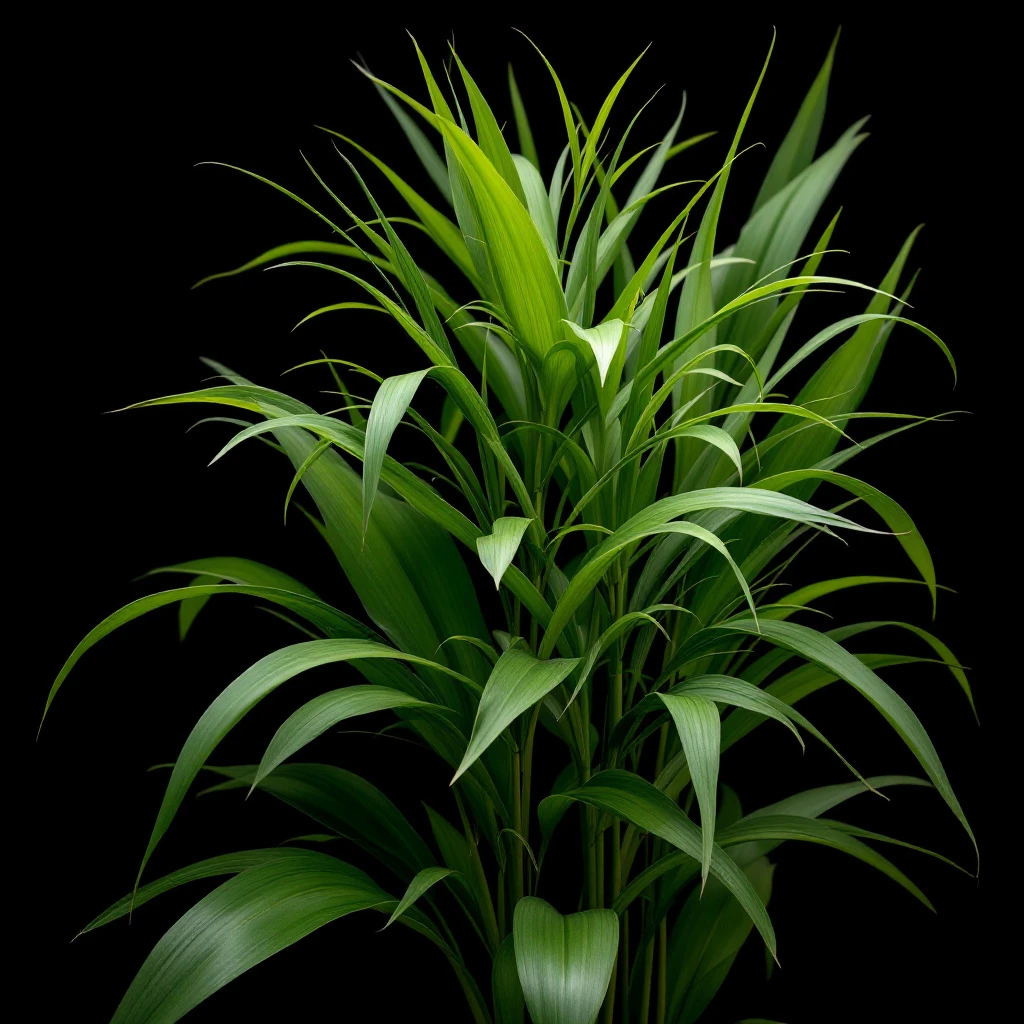
Vetiver grows from the earth, not from flowers. One kilogram of oil requires processing 50 to 100 kilograms of dried roots.






Origin
India
Vetiver's documented history begins in the Indus Valley civilization, where people valued it for medicinal balms and fragrant preparations. The plant originates from India and Southeast Asia, where it served both therapeutic and ceremonial purposes for thousands of years. Arabian perfumers later developed steam distillation, unlocking vetiver's full aromatic potential and introducing it to Western fragrance traditions. By the early 1900s, French colonists cultivated vetiver extensively in Reunion Island.
The island's output quickly gained recognition as the finest quality available. Haitian vetiver oil became particularly prestigious, favored by European perfumers for its rich, smoky character. One landmark moment came in 1959, when Guerlain released Vetiver. The fragrance became a reference point for masculine perfumery, demonstrating how vetiver could anchor a composition with elegance and longevity.
Today, Haiti, Indonesia, and Sri Lanka remain the primary production regions. Global output stabilized around 130 tons annually after peaking at 250 tons in the late 1970s.
Wears it best
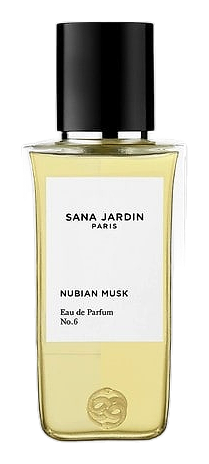
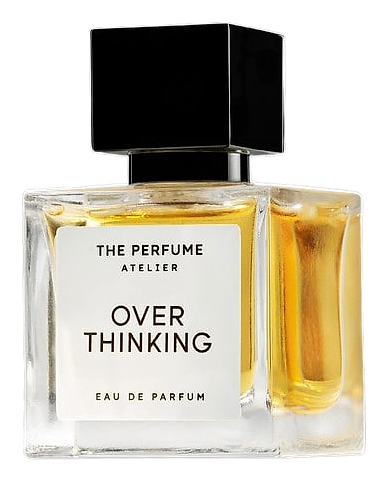
Fragrances featuring Hawaiian Vetiver
Brands
Brands known for Hawaiian Vetiver
Good to know
Questions, answered
The essentials on Hawaiian Vetiver in perfumery: how it smells, where it comes from, and how it behaves on skin.
Where does Hawaiian vetiver come from?
Haiti and Indonesia are the primary producers of vetiver root used in perfumery. India and Sri Lanka also contribute significant quantities. Hawaiian vetiver specifically refers to material cultivated in Hawaii, a smaller but emerging source.
When is vetiver harvested?
Vetiver roots are harvested between August and December each year. This seasonal window allows the roots to reach peak oil concentration before extraction begins.
How is vetiver oil extracted?
Steam distillation extracts vetiver oil from dried, chopped roots over 24 to 30 hours per batch. This slow process fully captures the aromatic compounds that give vetiver its characteristic smoky, woody profile.
Why is vetiver oil expensive?
One kilogram of vetiver oil requires 50 to 100 kilograms of dried roots to produce. The slow distillation process and labor-intensive harvest contribute to higher costs compared to most other natural fragrance materials.
What does vetiver smell like?
Vetiver offers smoky, woody, and earthy notes with hints of leather and subtle florals. The exact character shifts depending on origin and distillation approach.
How much vetiver does the world produce?
Global vetiver oil production stabilizes around 130 tons annually. Indonesia and Haiti supply the majority of the world's vetiver oil.
Is vetiver a natural or synthetic ingredient?
Vetiver is entirely natural. The oil comes from vetiver roots through steam distillation. No synthetic equivalent captures its full complexity, though isolated components exist.
What makes Haitian vetiver special?
Haitian vetiver carries a well-established reputation for quality, particularly for its rich smoky character. Guerlain's iconic Vetiver launched in 1959 using Haitian vetiver oil, setting a benchmark for masculine fragrances.



