
The Story
Why it exists.
The beginning
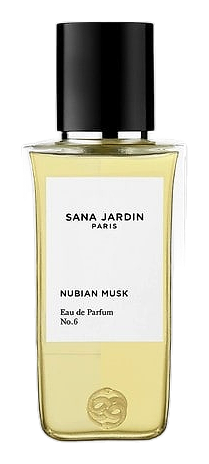
The brief was deceptively simple: make musk smell like the thing it imitates. Not the powdery musk of tradition, but the warm, living scent of skin itself. Carlos Benaïm reached for vanilla to soften, sandalwood to deepen, and a thread of smoky vetiver to keep everything honest. The result doesn't perform for a crowd. It performs for one.
What makes this composition interesting is the contradiction at its center. The base notes, patchouli, cypriol, vetiver, are earthy, almost austere. But they're wrapped in jasmine sambac and Moroccan rose, which sweeten the deal considerably. The grapefruit blossom opening is the real surprise: bright, almost bitter, a sharp jolt before the warmth settles in. It's not what you expect from a fragrance called Nubian Musk. That's the point.
The evolution
The grapefruit blossom hits first, crisp, slightly bitter, like biting into a citrus peel rather than peeling it. Thirty minutes in, the jasmine and rose arrive together, softer than expected, sweet without screaming. The sandalwood arrives early, threading warmth through the florals. By hour two, the florals begin to recede. The musk emerges, not animalic in the traditional sense, but warm and close, like the memory of someone standing near. The vanilla keeps it soft. The vetiver keeps it honest. Six to eight hours later, on fabric especially, it smells like skin that happens to smell good.
Cultural impact
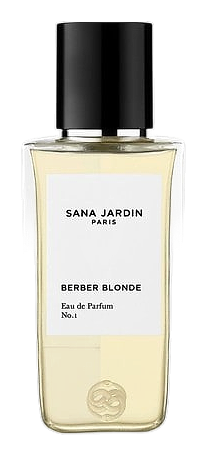
Nubian Musk lands at the intersection of two distinct buyer types: those seeking a genuinely warm, skin-like musk, and those drawn to Sana Jardin's social enterprise model. For buyers tired of opaque supply chains, the brand's commitment to Moroccan flower harvesters provides a different kind of appeal, luxury with a traceable benefit.