Moroccan grapefruit blossom
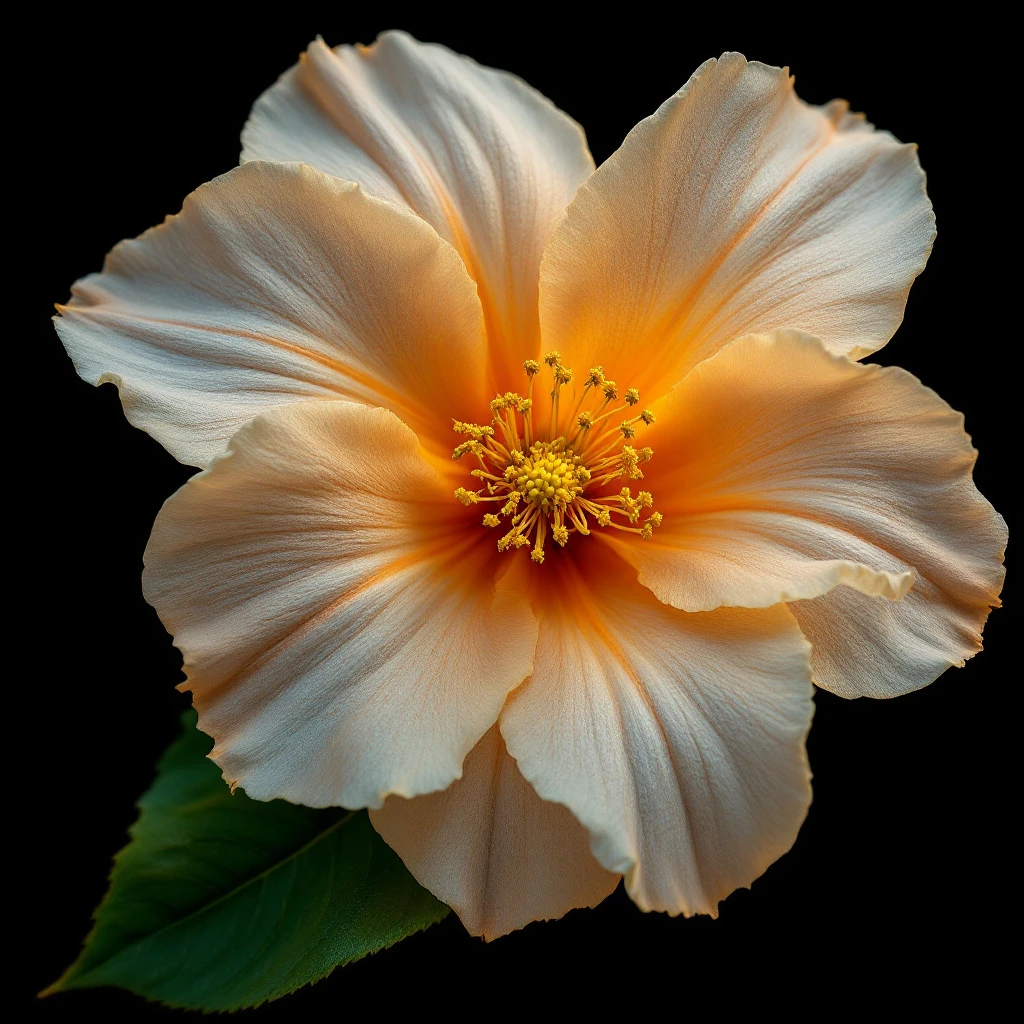
A bittersweet citrus blossom with unexpected warmth. Harvested at dawn from Morocco's sun-drenched groves, this aromatic captures the moment when floral softness meets a clean, almost bitter freshness — an ingredient that defies simple categorization.
Character
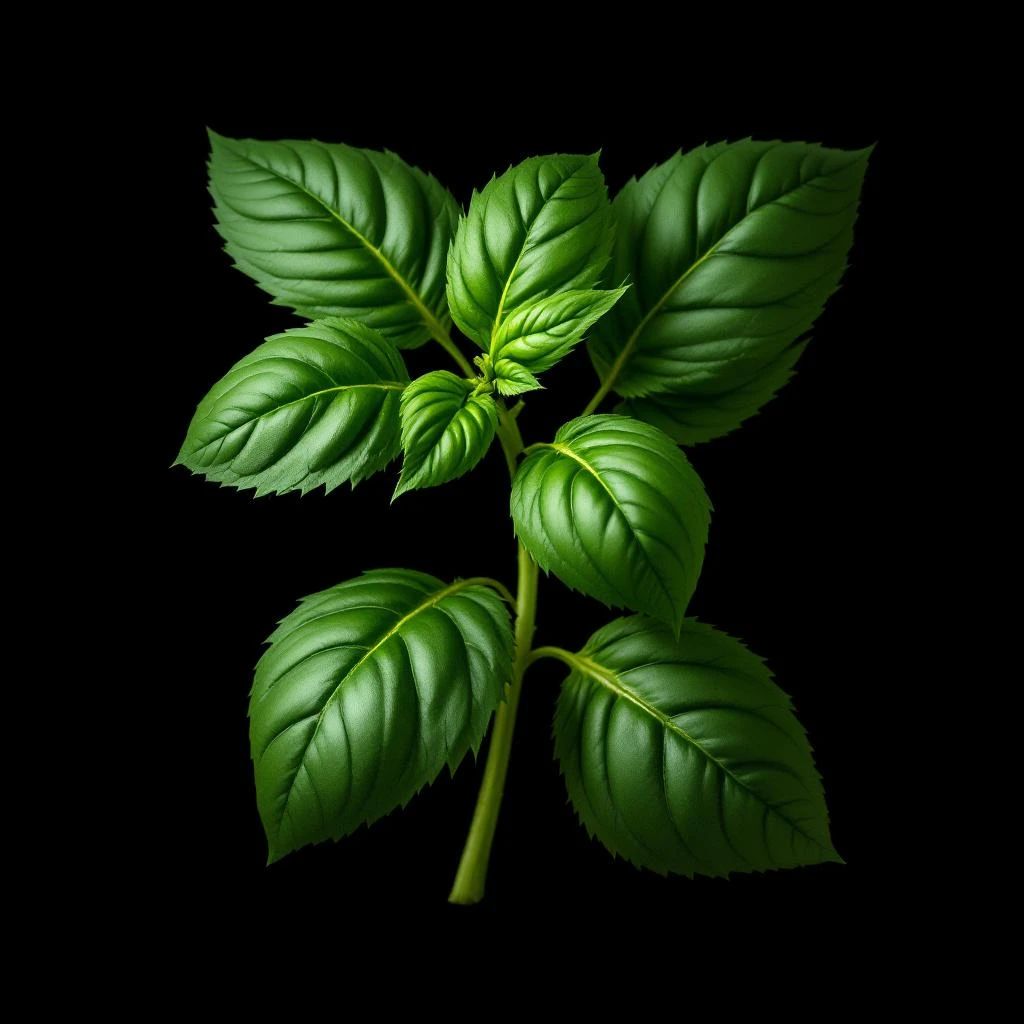
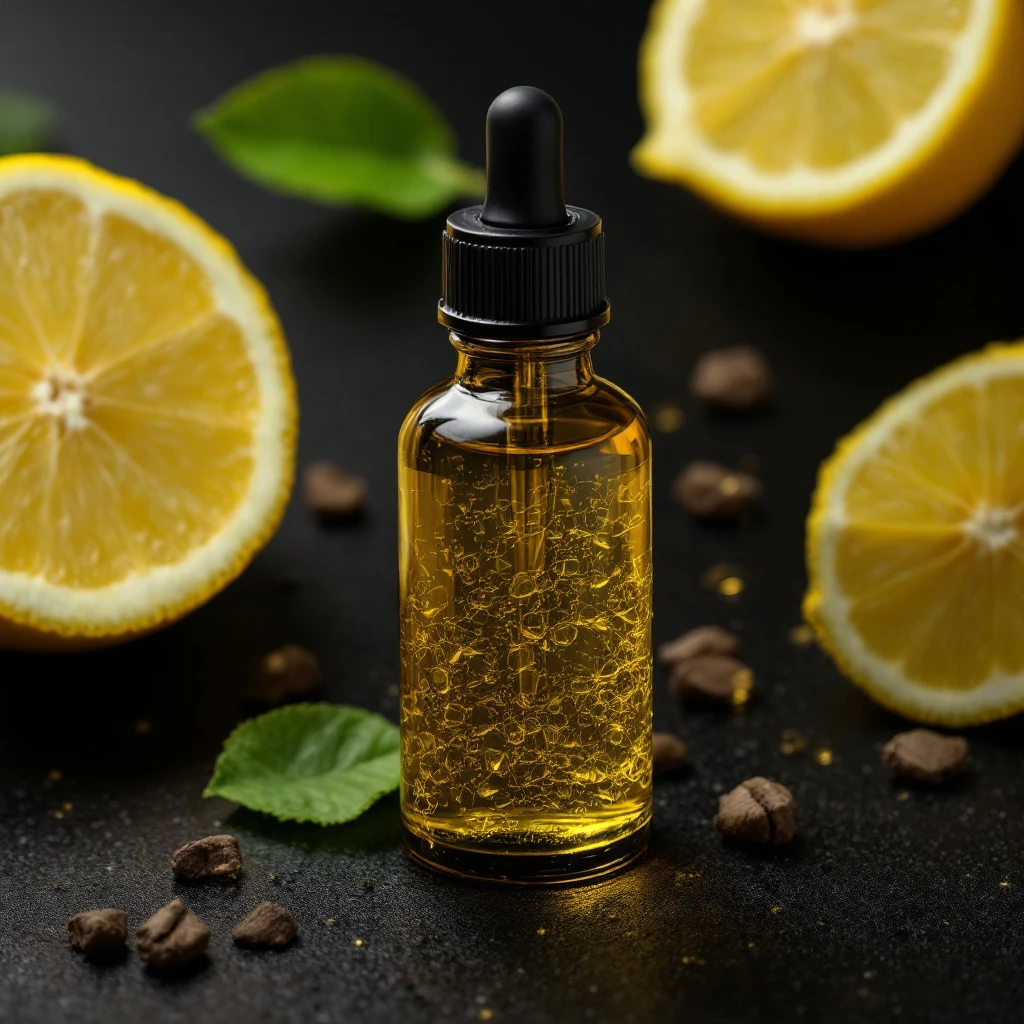
How it smells
Where citrus peel meets floral heart.
Morocco ranks among the world's top citrus producers, yet grapefruits grown there are rarely exported — most travel to European processors as raw commodity fruit, never becoming perfume.




Origin
Morocco
Morocco's relationship with citrus stretches back centuries, though the perfumery connection emerged more recently. The country's warm Atlantic climate and irrigation systems around Marrakech and the Souss valley created ideal conditions for bitter orange and grapefruit cultivation by the early 20th century.
French perfumers, seeking alternatives to declining domestic production, looked south to North Africa. Moroccan growers increasingly oriented harvests toward European fragrance houses rather than domestic markets.
The blossom itself carried different cultural weight in Morocco — orange blossom water has long served religious and domestic purposes — but the perfumery demand introduced new economic calculations around which trees to cultivate and when to harvest. Today, while Morocco remains a significant citrus producer, most grapefruit enters commodity channels rather than fine fragrance supply chains, making perfumery-grade blossom a specialist proposition.
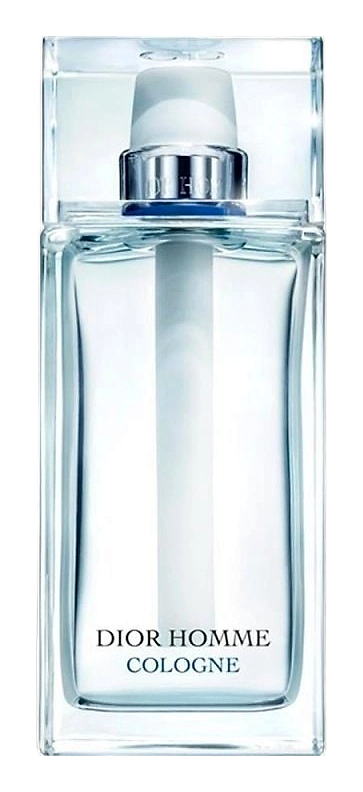
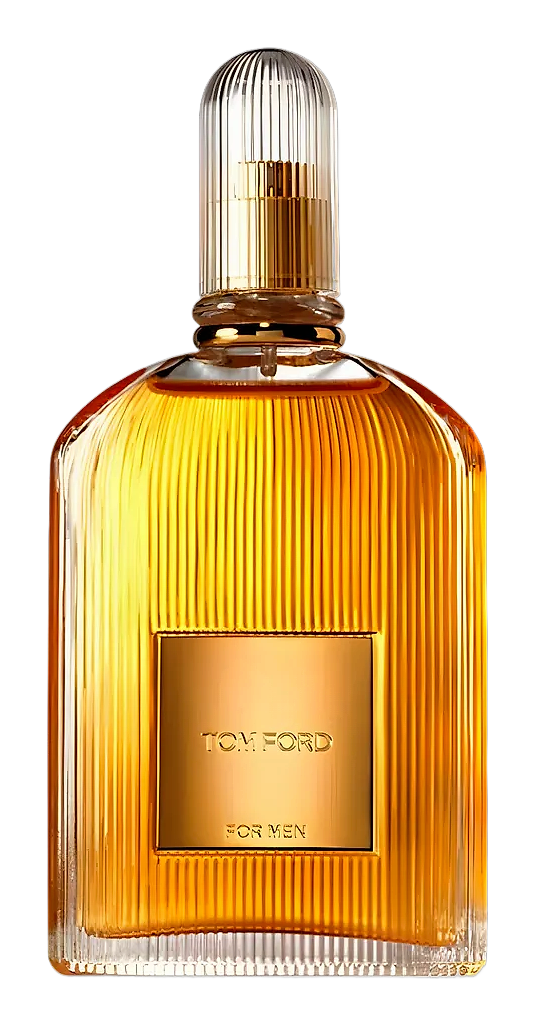
Wears it best
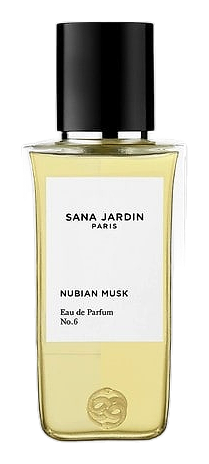
Fragrances featuring Moroccan grapefruit blossom


Brands
Brands known for Moroccan grapefruit blossom
Good to know
Questions, answered
The essentials on Moroccan grapefruit blossom in perfumery: how it smells, where it comes from, and how it behaves on skin.
What does Moroccan grapefruit blossom smell like?
It combines a clean, almost bitter freshness with softer floral undertones. The citrus character comes through as green and zesty, while the blossom adds sweetness that distinguishes it from grapefruit peel oil.
Where does this ingredient originate?
Morocco, specifically groves around Marrakech and the Souss valley. The Atlantic-influenced climate produces fruit with distinct aromatic profiles compared to tropical grapefruit varieties.
How do perfumers extract the scent from grapefruit blossoms?
Solvent extraction of freshly harvested blossoms. This method preserves delicate floral compounds that steam distillation would damage, yielding an absolute with greater complexity.
How does grapefruit blossom differ from neroli or orange blossom absolute?
Orange blossom absolute comes from bitter orange (Citrus aurantium) and carries a honeyed, indolic quality. Grapefruit blossom leans greener and cleaner, with less sweetness and more of that characteristic bitter edge.
When is grapefruit blossom harvested?
April and May in Morocco, during peak bloom. Harvesting occurs before sunrise to protect the volatile aromatic compounds from heat degradation.
What perfumery roles does this ingredient play?
Primarily a heart note anchor. It bridges citrus top notes and heavier base materials, adding warmth without the sweetness that often competes with other floral ingredients.
What pairs well with Moroccan grapefruit blossom?
Clean white musks, vetiver, and other citrus materials like petitgrain. It also works with jasmine and orange blossom to amplify the floral dimension while keeping brightness intact.
How should perfumers store grapefruit blossom absolute?
Refrigeration in sealed containers. The floral waxes can separate if stored above 20°C, and exposure to oxygen degrades the nootkatone content over time.