Lemon Leaf Oil
Lemon Leaf Oil captures the fresh, green soul of the lemon tree. Steam-distilled from tender foliage, it delivers an aromatic profile that is sharper and more herbaceous than fruit peel, with bright citrus top notes grounded by an earthy botanical depth.
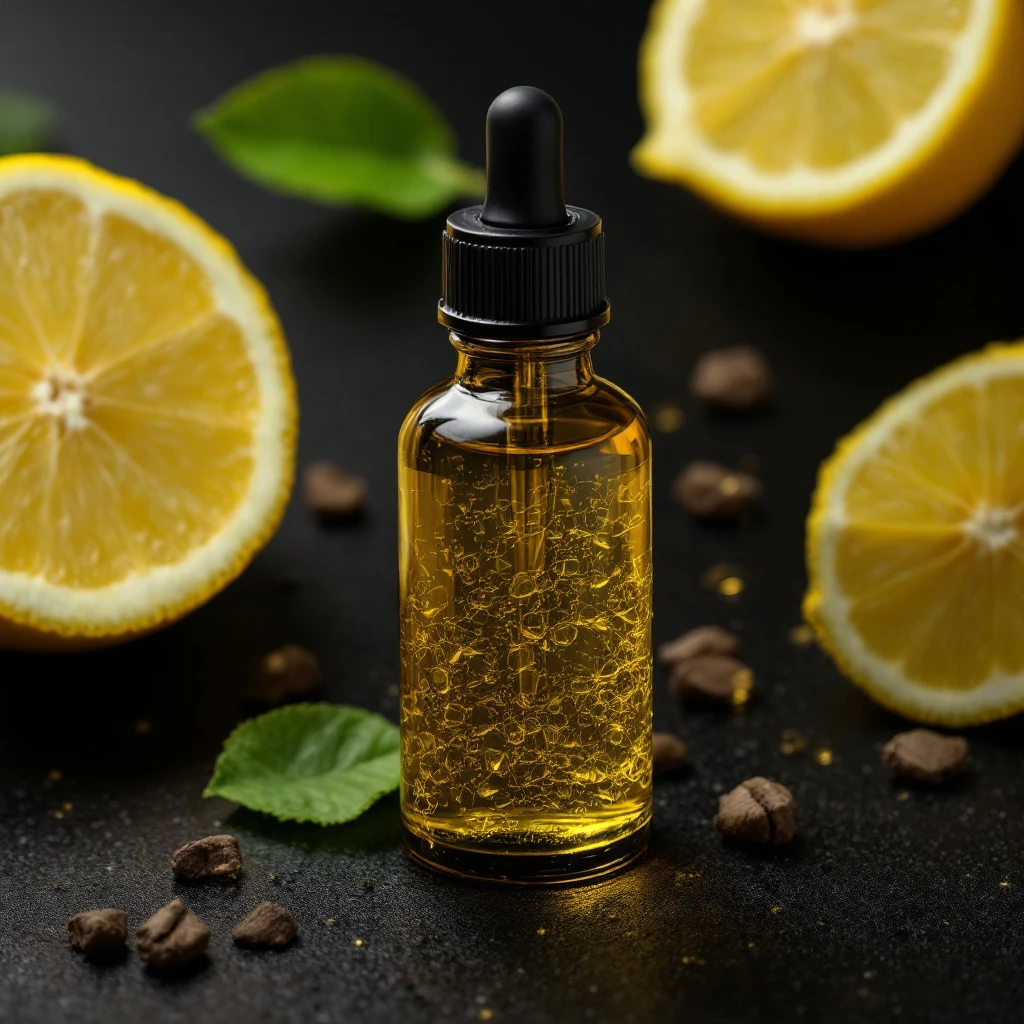
Character
How it smells
The green heartbeat of the lemon grove.
Lemon leaf oil contains citral at concentrations that can reach 35-45%, making it significantly more citral-rich than lemon peel oil from the same tree.







Origin
Italy
While lemon fruit oil documentation stretches back to 1690s Paris, lemon leaf oil emerged in perfumery circles during the early 20th century as fragrance houses sought more complex citrus materials beyond traditional peel oils. Sicilian farmers, long accustomed to tending lemon groves for fruit production, began systematically harvesting leaves during pruning seasons.
This practice transformed what had been agricultural waste into a valuable aromatic material. By the 1930s, several Sicilian distillers began offering leaf-derived oils alongside their established fruit peel products.
The oil gained broader recognition during the green fragrance renaissance of the 1970s and 1980s, when perfumers sought to capture the entire sensory experience of citrus plants rather than isolated compounds. Today, lemon leaf oil remains a staple in woody and aromatic fragrance compositions, valued for its ability to inject freshness without the fleeting character of many citrus materials.
Wears it best
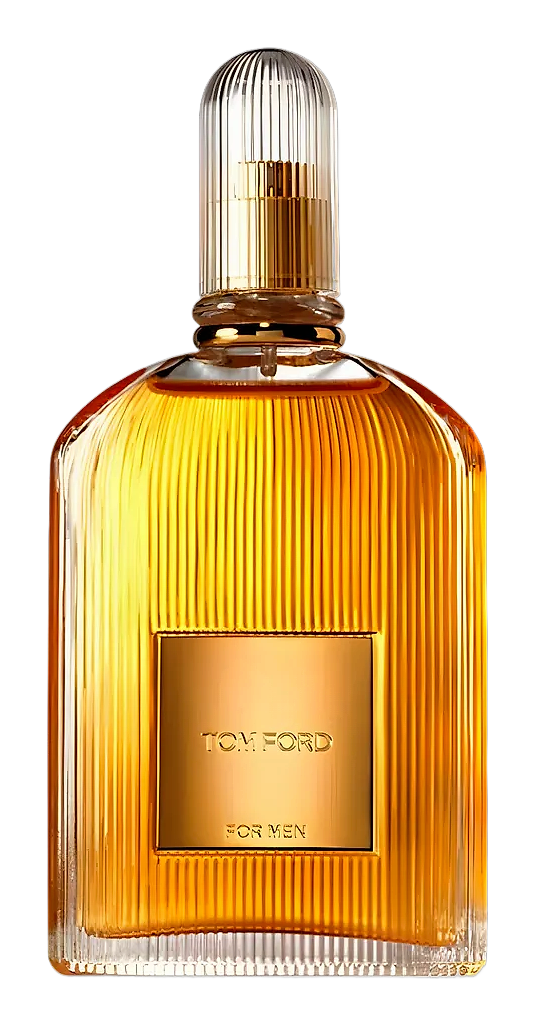
Fragrances featuring Lemon Leaf Oil


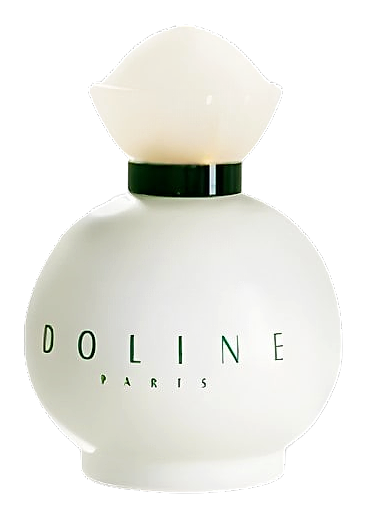
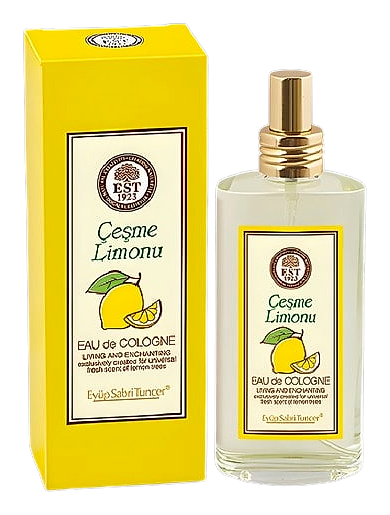
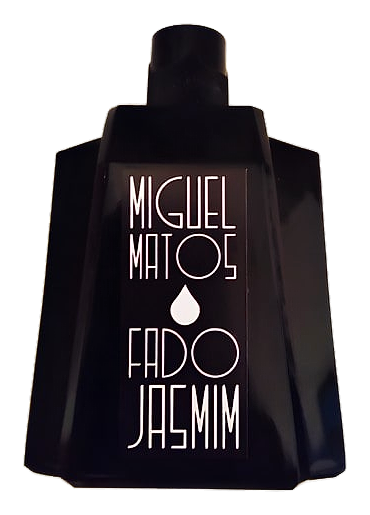
Brands
Brands known for Lemon Leaf Oil
Good to know
Questions, answered
The essentials on Lemon Leaf Oil in perfumery: how it smells, where it comes from, and how it behaves on skin.
What is lemon leaf oil?
Lemon leaf oil is a steam-distilled aromatic material extracted from the leaves of the Citrus limon tree. It differs from lemon peel oil through its greener, more herbaceous character and higher citral content, delivering a fresher yet earthier citrus profile.
How does lemon leaf oil differ from lemon peel oil?
Leaf oil carries prominent green and herbaceous notes absent in peel oil, which focuses on bright, sharp citrus. Leaf oil also contains more citral, creating a different olfactory character despite sharing the same botanical source.
Which fragrances feature lemon leaf oil prominently?
Lemon leaf oil appears frequently in aromatic and woody masculine fragrances as a bridge between citrus and herbal notes. It also features in several high-profile women's fragrances seeking a natural, green citrus signature.
What are the key chemical components of lemon leaf oil?
Citral (geranial and neral combined) typically comprises 30-45% of lemon leaf oil. Additional constituents include limonene, pinene, and sesquiterpenes that contribute to its aromatic complexity and performance in formulations.
Where is lemon leaf oil primarily produced?
Italy's Sicily region remains the primary origin, producing leaf oil from extensive lemon groves along the island's coastal areas. Spain and Argentina serve as secondary production regions, with Sicilian oil considered the benchmark for quality.
What is the shelf life of lemon leaf oil?
When stored in sealed, refrigerated conditions away from light, lemon leaf oil remains viable for 2-3 years. Its high citral content makes it prone to oxidation, so professional storage in dark glass containers with minimal headspace extends usability.
Is lemon leaf oil used in food applications?
Lemon leaf oil holds GRAS status for food use and appears in certain flavor formulations requiring intense citrus character with green undertones. However, fragrance applications consume the majority of production volume.
What safety considerations apply to lemon leaf oil?
Lemon leaf oil contains naturally occurring allergens including citral and limonene, requiring INCI labeling in cosmetic products. The IFRA recommends concentration limits in skin applications due to potential sensitization risks from high citral content.