
The Story
Why it exists.
The beginning
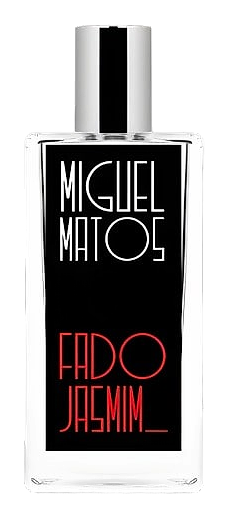
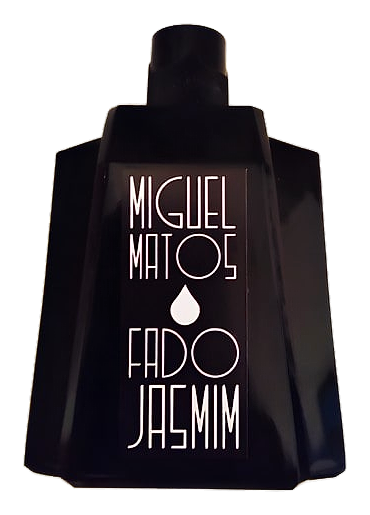
Miguel Matos writes about culture and scent with an outsider's precision. Before he began creating fragrances, he observed the global fragrance community from the outside, tracking how reviewers discussed and dissected perfumes. That vantage point showed him a gap between what he wanted to smell and what existed. His Portuguese roots gave him a particular perspective on beauty and longing. Fado Jasmim Special Edition, launched in 2020, sits at the intersection of observation and longing: a tribute to Portuguese cultural identity rooted in fado music and the idea of saudade, that ache for something absent and irreplaceable. The fragrance is designed to mean something beyond smelling good.
The jasmine-indole-civet triangle is the structural gambit. Jasmine alone is beautiful. Jasmine with indole is what happens when beauty starts to decay. Add civet and the composition stops pretending florals are innocent. This is not a mistake or an accident. The official description from the brand names it directly: the smell of jasmine's death, pushed into indolic territory and anchored with civet. That kind of honesty is unusual. Most brands hedge around animalic materials. This one put the indole forward with full transparency, letting the darker qualities of jasmine speak without apology.
The evolution
The opening hits hard and tropical: banana's sticky sweetness, passion fruit's tartness, plum's dark depth. The lemon leaf keeps it grounded, not green exactly but mineral enough to remind you this is fruit with weight, not a tropical candle. This phase unfolds before the florals arrive, shifting gradually as the fruity notes begin to transform. Then the jasmine and tuberose bloom with an almost unsettling warmth. The indole announces itself not as a chemical note but as a quality of heat, the smell of petals beginning to change temperature. Peach and rose sweeten the middle without softening it. The transition is the reveal: this is not a polite floral. The jasmine smells like something alive and already past its peak. As the florals fade over the next several hours, the civet emerges. Animalic and direct, it pushes the jasmine's death note into the foreground.
Cultural impact
Fado Jasmim occupies a specific corner of Miguel Matos's output, where cultural weight translates directly into fragrance material. Fado music is Portuguese melancholia, saudade made audible. Translating that into jasmine and indole is a statement of intent. The fragrance challenges expectations. Those who expected tropical sweetness found indole. Those who recognized the jasmine's death note found the reason it lasts. The reception has been notable among those who engage deeply with fragrance, drawing attention from reviewers and enthusiasts who appreciate the boldness of its vision.
The House
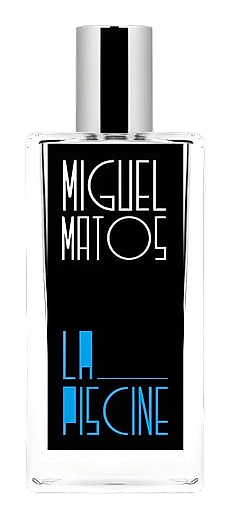
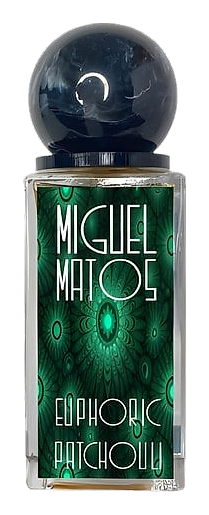
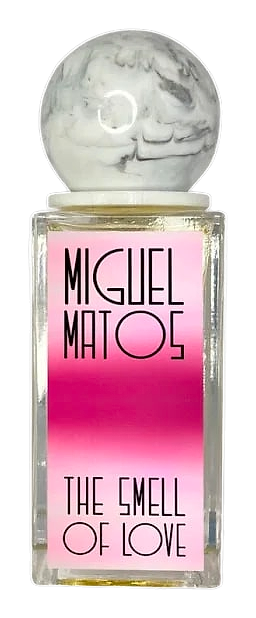
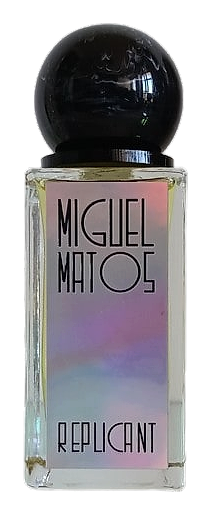
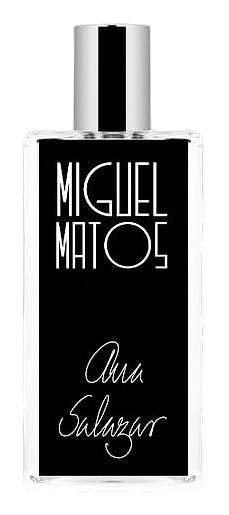
Miguel MatosMiguel Matos is a Portuguese perfumer and fragrance writer who channels two decades of olfactory criticism into scents built on irreverence, cultural memory, and handmade intensity. Operating under the banner Miguel Matos Olfactory Art, he produces small-batch fragrances that reject commercial accessibility in favor of conceptual boldness. His work borrows heavily from vintage perfumery references and contemporary art sensibilities, positioning each creation as an act of personal authorship rather than market-driven development. Before launching his own label, Matos spent years writing about fragrance as an editor, a position that gave him an insider's view of the industry while simultaneously fueling his desire to create rather than merely evaluate. His fragrances have found homes at niche retailers worldwide, and he has collaborated with established houses including Sarah Baker Perfumes and CdA L'aniche.
The Creator
Miguel MatosMatos draws from his background in visual art and criticism, treating fragrance composition like a curatorial act. He layers references and contrasts, often juxtaposing familiar materials in unfamiliar configurations.