
The Story
Why it exists.
The beginning
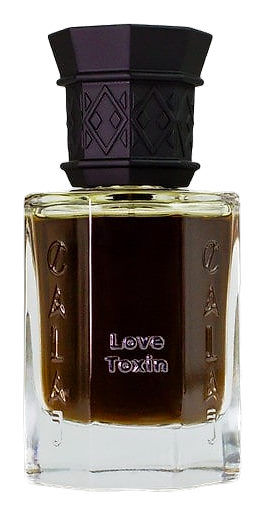
Love Toxin began with a question the perfumer couldn't shake: what if the love potion was real? Not magic, not mythology, a formula. Something that works on the body the way falling in love does. Miguel Matos built this around that concept, treating the fragrance itself as the elixir. The notes were chosen to embody that goal, each element selected to mirror the chemistry of attraction rather than simply evoke it.
Fruity sweetness opens the composition, strawberry, plum, coconut, drawing you in with familiar comfort. But underneath, the castoreum and leather arrive like a hand on the back of your neck. The white florals, tuberose, gardenia, jasmine, amplify rather than soften. This isn't a fragrance that gradually reveals itself; it announces, then deepens. The hay and opoponax in the base keep it grounded in something almost medicinal, like old apothecary drawers, and the interplay between the sweet opening and these darker undercurrents creates an unmistakable effect.
The evolution
The opening hits immediately, strawberry sweetness with a tart plum edge, bergamot lifting it bright. Within minutes, the coconut recedes and something earthier pushes forward. The coriander and rose oxide arrive together, adding a spice that feels both cool and warm at once. The transition to the heart is where Love Toxin earns its name. The tuberose doesn't apologize for itself. Neither does the cumin. This is the phase where it either grabs you or doesn't. Then the castoreum surfaces, not aggressive, but present. Animalic without being dirty. The leather arrives and wraps around the florals rather than replacing them. By hour four, you're in the drydown: vanilla, musk, oakmoss, and that persistent hay note holding everything together. Eight to ten hours on most skin. The next morning, there's a ghost of peach and warmth on fabric that you didn't expect to love.
Cultural impact
Love Toxin occupies a distinctive space in niche perfumery. Miguel Matos gave it an identity rooted in the philosophy of love as toxin, and that concept resonates with wearers who've moved past polite perfumery. It's a fragrance with a strong point of view, designed for those who've grown restless with conventional options.
The House
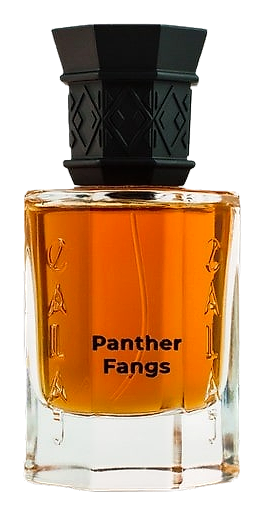
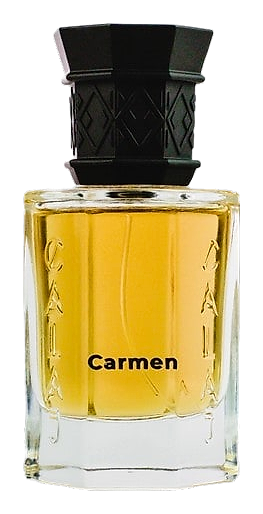
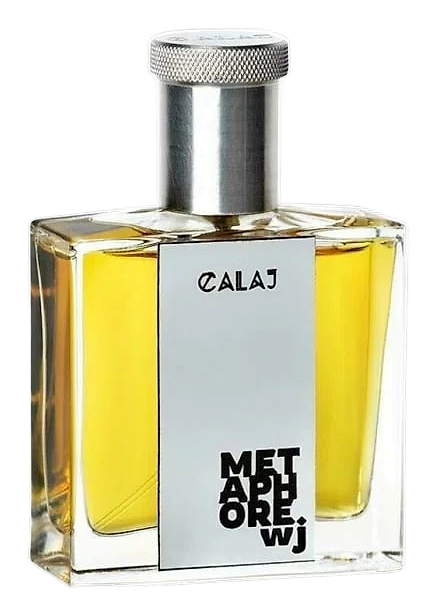
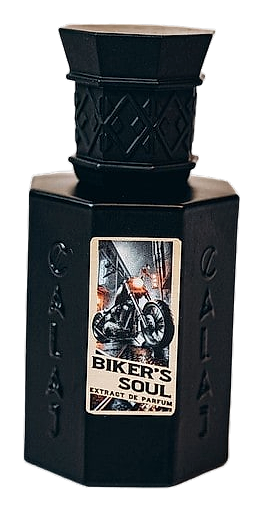
CalajCalaj Perfumes is an artisanal niche fragrance house based in Arad, Romania, founded in 2020 by Flavius Calaj. The brand specializes in small-batch, handcrafted perfumes with a strong emphasis on limited production runs. Calaj operates as an independent creator, with Flavius handling formulation and design personally. The house has developed several distinct fragrance lines including The Last PH 85, Carmen, Lilyn, and the Delizia series, with releases spanning from 2020 through 2025. The brand's catalog is relatively compact but intentionally curated, with each scent receiving individual attention rather than mass production. Calaj distributes primarily through digital channels and fragrance retailers like Luckyscent, while maintaining an active presence on social media platforms including Instagram and TikTok. The brand's Romanian roots and 2020 founding date position it as a relatively new entrant in the niche fragrance space, operating independently from larger corporate perfume houses.
The Creator
Miguel MatosMatos draws from his background in visual art and criticism, treating fragrance composition like a curatorial act. He layers references and contrasts, often juxtaposing familiar materials in unfamiliar configurations.