
The Story
Why it exists.
The beginning
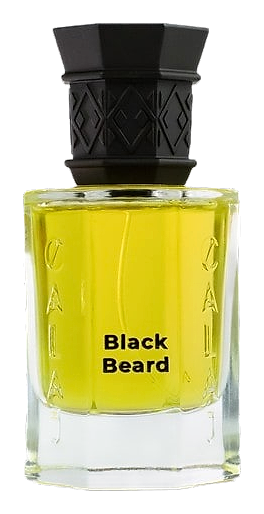
Miguel Matos built Black Beard around an idea rather than an ingredient. Not pirates, the word just conjures what those men represented. Pure masculinity. The kind that doesn't perform. The brief was specific: nothing coconut, nothing marine, nothing that smells like a beach resort. Just the smell of a man who takes care of himself and means it. The name came last, a nod to the beard as symbol rather than accessory, the thing a man grows when he's decided who he is.
What makes Black Beard interesting isn't any single note, it's how the fougère structure holds together when most modern fragrances fracture under their own ambition. The lavender doesn't play supporting act to the tobacco; they share the stage, which is unusual in a masculine composition this committed. The carnation in the heart is the secret weapon, it adds a spiced floral warmth that stops the lavender from going soapy, keeps the tobacco from going flat. It's the note that makes you stop and think: this is not like everything else.
The evolution
The opening hits sharp and stays there for twenty minutes. Artemisia leads, supported by basil and petitgrain, herbal, slightly bitter, the smell of green things crushed between fingers. Bergamot and orange sit underneath, keeping it from going too medicinal. Then the hand-off: Bulgarian lavender takes over, bringing geranium and carnation with it. The rose arrives quietly, almost shy compared to what came before. This is the heart of the fragrance, where it lives for the next few hours. As it settles, tobacco emerges first, then leather, then moss. The base doesn't arrive so much as accumulate. By hour four, you're wearing tobacco leaf and warm amber, with a ghost of leather that clings to fabric. On skin, it lasts through a full workday. On clothing, it survives the dry cleaner's bag, you find it again three days later and the tobacco is still there, quieter but certain.
Cultural impact
Black Beard occupies a specific space in the niche masculine landscape: it doesn't try to be modern, it doesn't try to be safe. The fougère structure is classic, but the execution, the carnation spice, the tobacco-leather drydown, is contemporary enough to feel intentional. It's the fragrance a collector reaches for when they want something with weight, something that smells like it was made by someone with an opinion. The strong sillage and longevity mean it performs in cold weather, which is when most people seek out bold masculine compositions. It's not trying to convert anyone. It knows who it's for.
The House
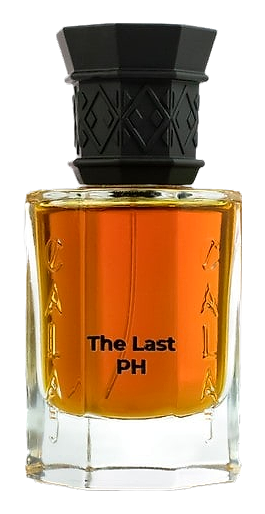
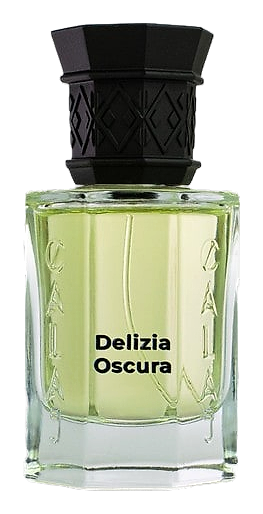
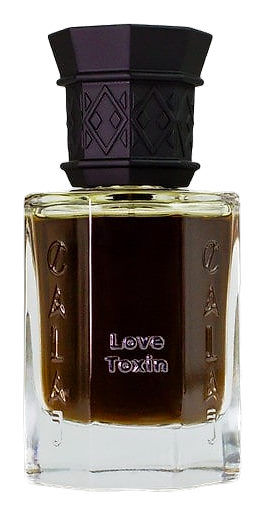
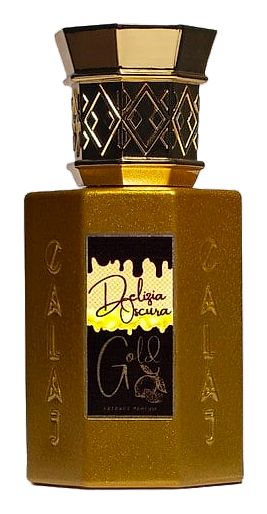
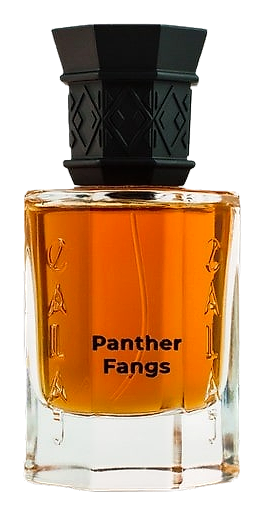
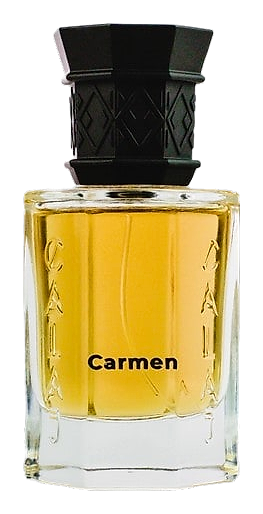
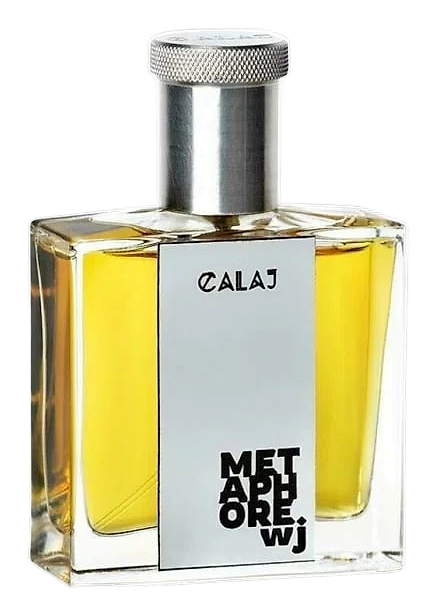
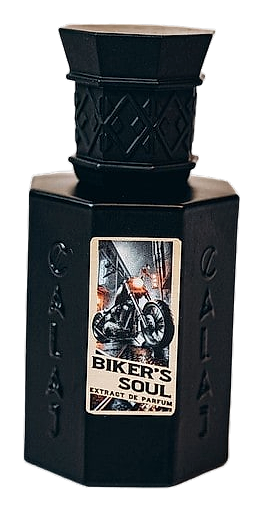
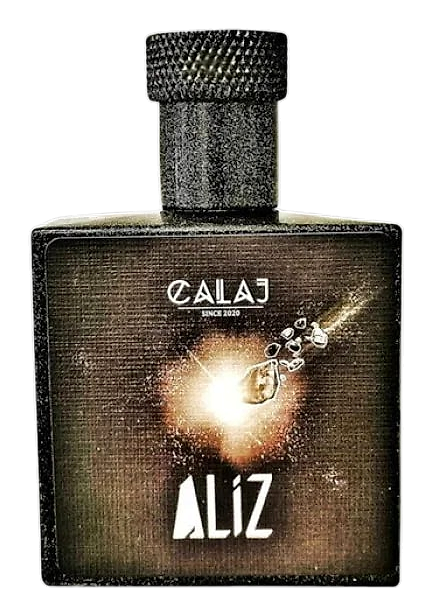
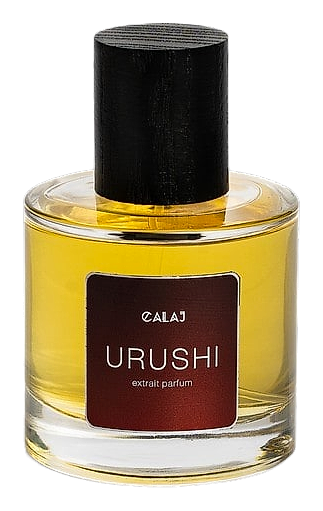
CalajCalaj Perfumes is an artisanal niche fragrance house based in Arad, Romania, founded in 2020 by Flavius Calaj. The brand specializes in small-batch, handcrafted perfumes with a strong emphasis on limited production runs. Calaj operates as an independent creator, with Flavius handling formulation and design personally. The house has developed several distinct fragrance lines including The Last PH 85, Carmen, Lilyn, and the Delizia series, with releases spanning from 2020 through 2025. The brand's catalog is relatively compact but intentionally curated, with each scent receiving individual attention rather than mass production. Calaj distributes primarily through digital channels and fragrance retailers like Luckyscent, while maintaining an active presence on social media platforms including Instagram and TikTok. The brand's Romanian roots and 2020 founding date position it as a relatively new entrant in the niche fragrance space, operating independently from larger corporate perfume houses.
The Creator
Miguel MatosMatos draws from his background in visual art and criticism, treating fragrance composition like a curatorial act. He layers references and contrasts, often juxtaposing familiar materials in unfamiliar configurations.