




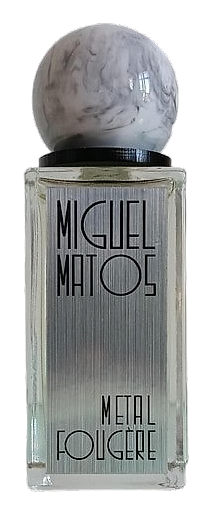
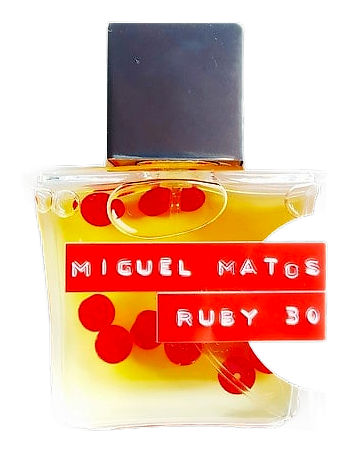
The Heritage
The Story of Miguel Matos
Miguel Matos is a Portuguese perfumer and fragrance writer who channels two decades of olfactory criticism into scents built on irreverence, cultural memory, and handmade intensity. Operating under the banner Miguel Matos Olfactory Art, he produces small-batch fragrances that reject commercial accessibility in favor of conceptual boldness. His work borrows heavily from vintage perfumery references and contemporary art sensibilities, positioning each creation as an act of personal authorship rather than market-driven development. Before launching his own label, Matos spent years writing about fragrance as editor at Fragrantica, a position that gave him an insider's view of the industry while simultaneously fueling his desire to create rather than merely evaluate. His fragrances have found homes at niche retailers worldwide, and he has collaborated with established houses including Sarah Baker Perfumes and CdA L'aniche.
Heritage
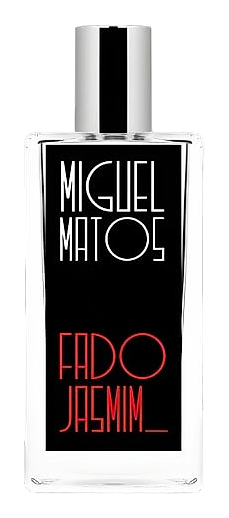
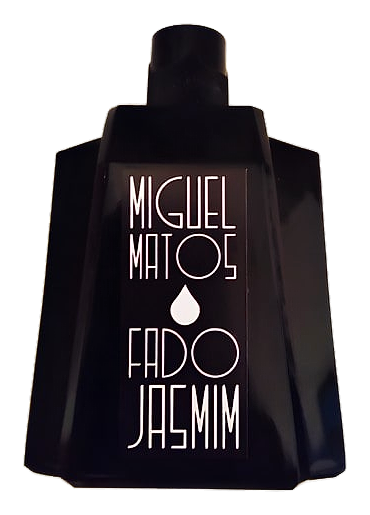
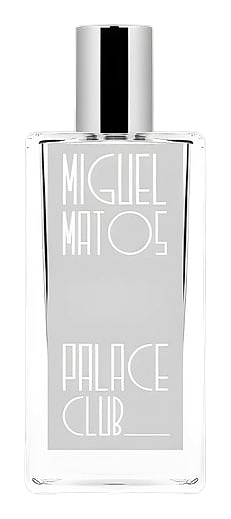
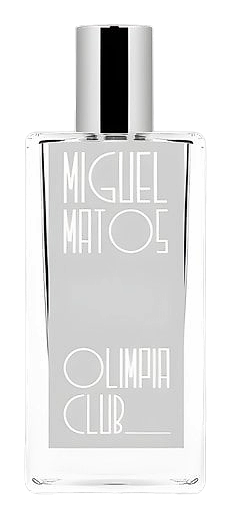
The story of Miguel Matos begins not in a laboratory but in the pages of culture. He spent twenty years working as an arts and culture journalist in Portugal before discovering that his obsession with smell could become something more than a professional interest. Fragrantica brought him into contact with the global fragrance community as an editor and columnist starting in 2013, a role that positioned him at the intersection of industry knowledge and consumer audience. His transition from critic to creator reportedly emerged from frustration with the gap between what he wanted to smell and what the market offered. He began formulating his own scents, and one of his early creations, Jungle Jezebel, found its way into production through Sarah Baker Perfumes, marking his first credited work as an independent perfumer. That collaboration announced him to collectors as someone unafraid of divisiveness. The Acampora Profumi partnership followed, making him the first independent perfumer to work with the Italian house on a collection of nine fragrances, a significant milestone for a creator operating outside the traditional perfumery establishment. Each subsequent release under his own label has built upon this reputation for uncompromising artistic choices, drawing from Portuguese cultural references (Fado Jasmim) and club culture (Olimpia Club, Palace Club) to create olfactory narratives rooted in specific times and places.
Craftsmanship
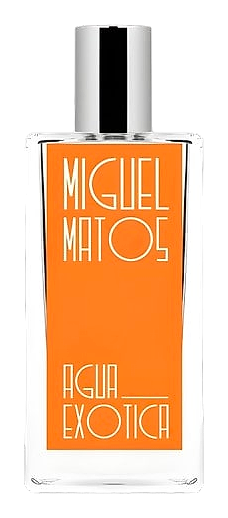
Miguel Matos produces his fragrances in small, handcrafted batches, a method that allows for precision and flexibility that industrial production cannot match. His work with CdA L'aniche provided access to a network of ingredient suppliers and technical expertise that informed his understanding of raw materials, though he maintains an independent creative voice in his own label. Each fragrance begins with a conceptual framework rooted in a specific reference, whether cultural (Fado Jasmim draws from Portuguese fado music), geographical (Agua Exotica invokes tropical water contexts), or purely olfactory (Twisted Tuberose explores the flower through its most challenging facets). The production process prioritizes material quality over volume, with Matos reportedly selecting ingredients based on their narrative appropriateness rather than cost efficiency. This approach limits availability but ensures that each bottle represents a deliberate artistic choice rather than a manufacturing compromise. The handmade aspect extends to presentation, where he maintains control over how the fragrance reaches its audience, avoiding mass-market distribution channels that would strip the work of its artisanal context. Collectors who seek out his releases often cite this handmade quality as essential to the appeal, distinguishing his work from both mainstream fragrances and larger niche houses operating with industrial efficiency.
Design Language
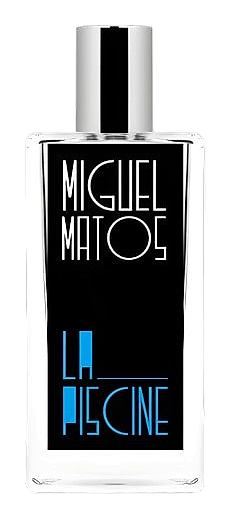
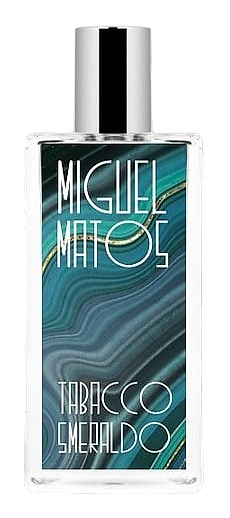
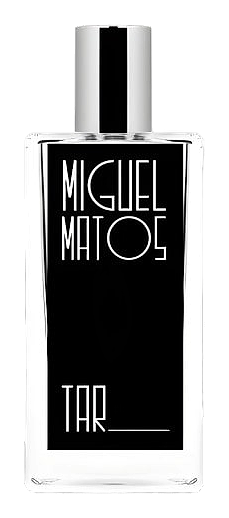
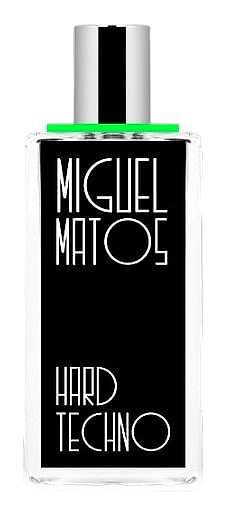
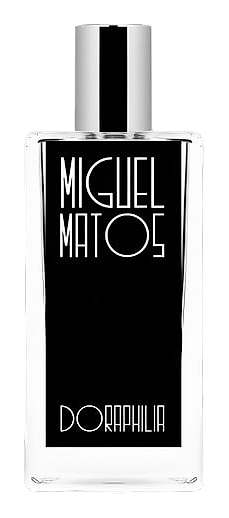
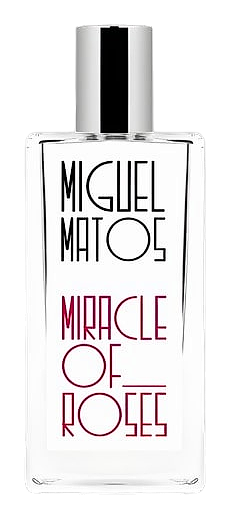
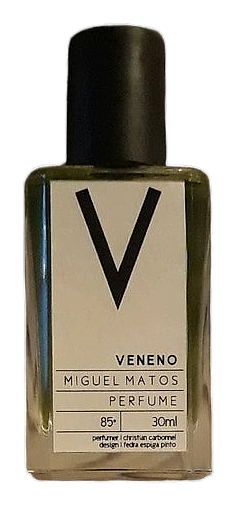
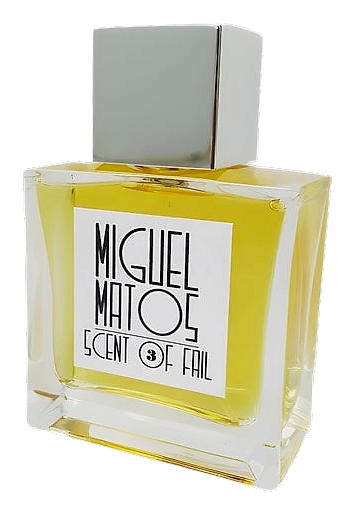
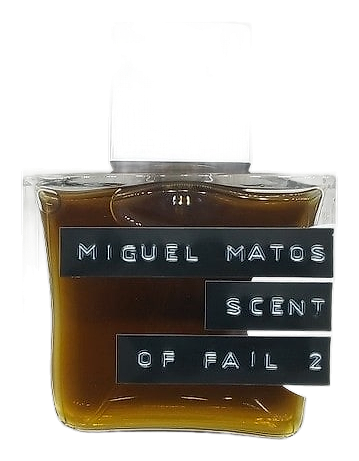
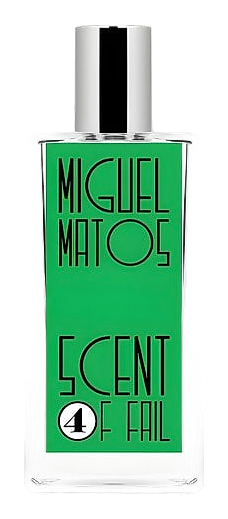
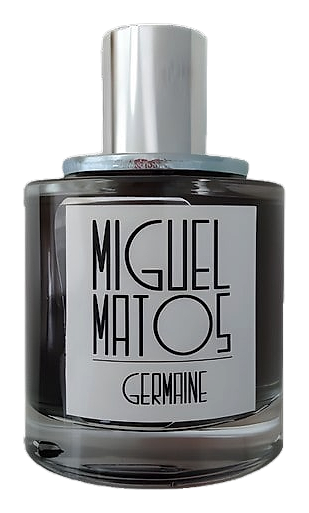
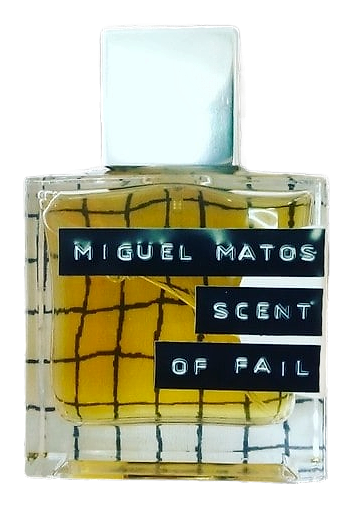
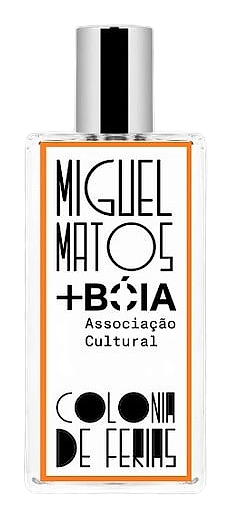
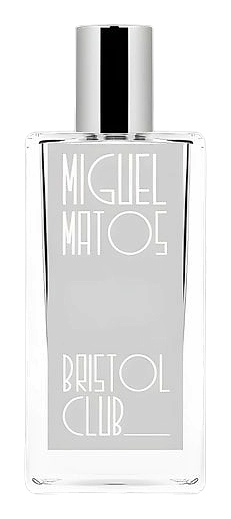
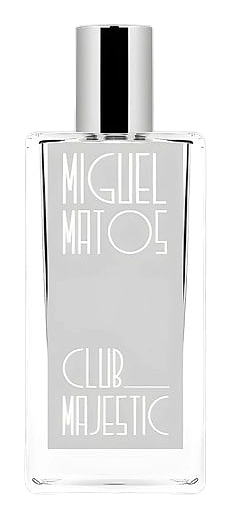
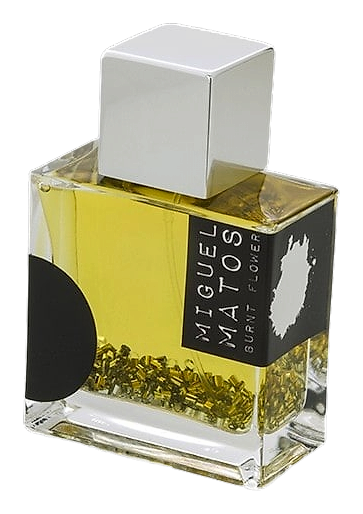
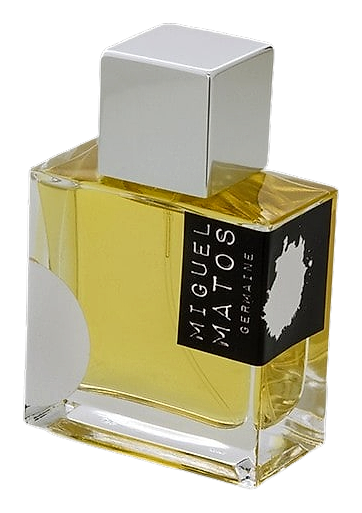
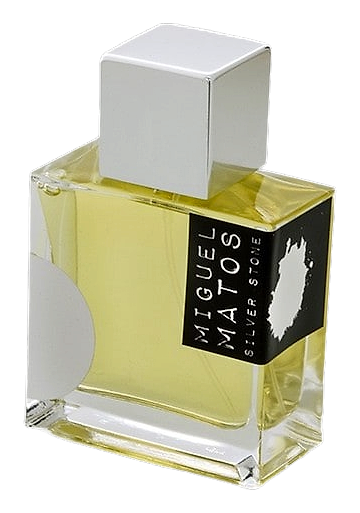
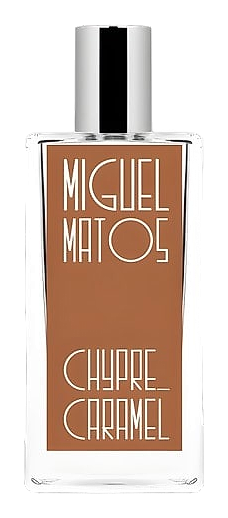
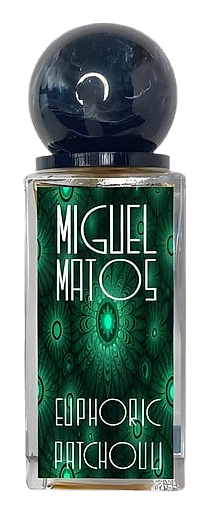
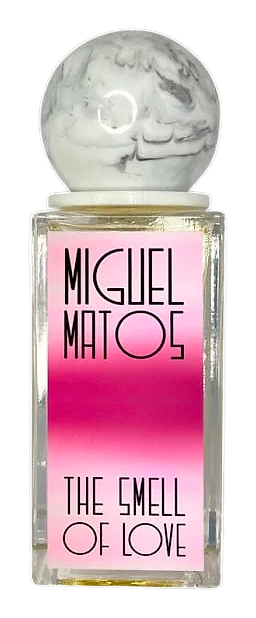
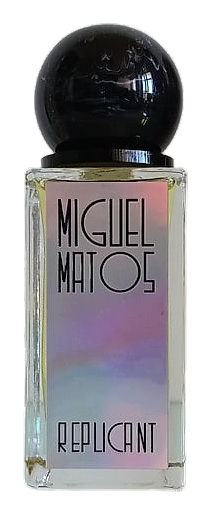
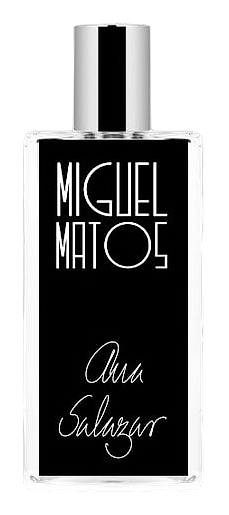
The visual identity of Miguel Matos Olfactory Art reflects the conceptual nature of the fragrances themselves. His branding favors clean, editorial presentation that suggests a magazine sensibility, a nod to his background in journalism and cultural commentary. The packaging avoids the ornamental excess common in luxury perfumery, instead communicating confidence through restraint and typographic precision. Photographs associated with the brand emphasize the creator's presence, positioning Matos as both author and ambassador of his olfactory work. His social media presence on Instagram maintains this editorial tone, mixing fragrance content with cultural references that situate his work within a broader artistic context. The bottle designs vary across releases but share a consistent philosophy of understated elegance that lets the scent itself serve as the primary statement. This approach aligns with his rejection of superficial luxury, preferring instead to communicate value through content and craft rather than visual excess. The aesthetic consistently reinforces his positioning as an artist-first creator rather than a brand competing on conventional luxury signals.
Philosophy
Miguel Matos approaches perfumery as a form of cultural commentary rather than commercial product development. His philosophy centers on the belief that fragrance should function as a carrier of memory, emotion, and even rebellion, challenging the wearer to engage with scent as an intellectual and sensory experience simultaneously. He has spoken openly about sustainability concerns in the fragrance industry, using his platform at Fragrantica to address environmental issues related to ingredient sourcing and production practices. This ethical dimension informs his work without compromising the artistic boldness that defines his output. Matos resists the idea that niche perfumery should simply offer refined versions of mainstream aesthetics. Instead, his scents push toward strangeness, complexity, and occasionally provocation. He treats vintage perfumery as a reference library, drawing inspiration from classical compositions while filtering them through a contemporary sensibility that prioritizes emotional authenticity over chronological accuracy. His role as a fragrance writer shapes this approach, giving him a critical perspective on industry conventions that he applies to his own creative work. The result is perfumery that reads like editorial commentary, each fragrance making an argument about what scent can do and mean.
Key Milestones
2013
Begins working as editor and columnist at Fragrantica, developing industry expertise and critical perspective on fragrance creation.
2020
Releases Olimpia Club, Palace Club, and Fado Jasmim under his own label, establishing the artistic direction that would define his subsequent work.
2020
Wins Art and Olfaction Award, first major recognition for his work as a perfumer.
2021
Expands portfolio with Colonia de Ferias, Twisted Tuberose, Electric Dreams, Chypre Caramel, and Agua Exotica, demonstrating prolific output and conceptual range.
2022
Tabacco Smeraldo joins the collection, reflecting continued interest in complex, reference-rich compositions.
2023
Wins second Art and Olfaction Award; releases Nude Beach, marking ongoing creative development and sustained industry recognition.
At a Glance
Brand profile snapshot
Origin
Portugal
Collection
1
Fragrances released
Avg Rating
4.5
Community sentiment
Release Rhythm


