    Brand Profile

    Claus Porto is a Portuguese house that has turned everyday toiletries into objects of quiet luxury since 1887. Founded in the city of Porto…More

    Portugal·Est. 1887·Site

    2

    Fragrances

    4.3

    Rating

    Just Landed

    New Arrivals

    The latest additions to the Claus Porto collection.

    22
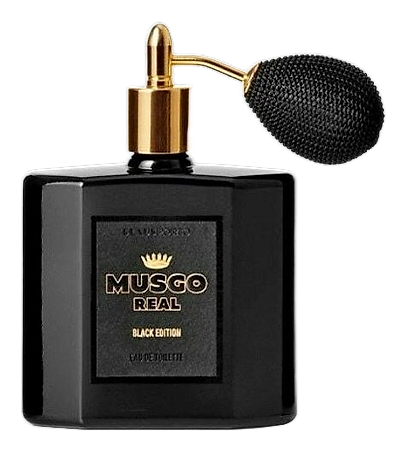
    Musgo Real Black Edition by Claus Porto
    Best Seller
    4.7

    Musgo Real Black Edition

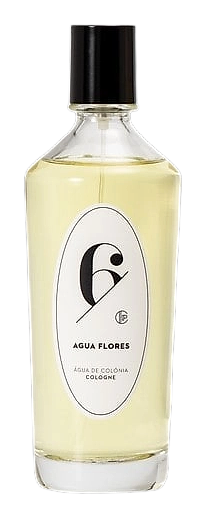
    Agua Flores by Claus Porto
    4.0

    Agua Flores

    Agua De Colonia No.2 Oriental Bloom by Claus Porto
    Best Seller
    4.8

    Agua De Colonia No.2 Oriental Bloom

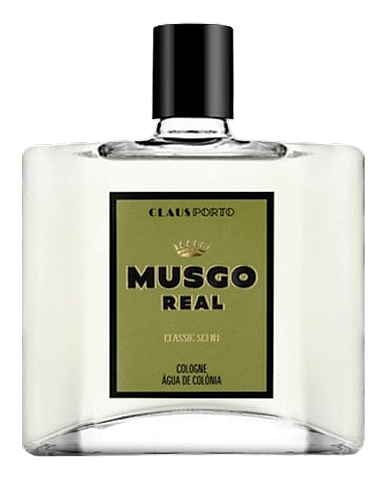
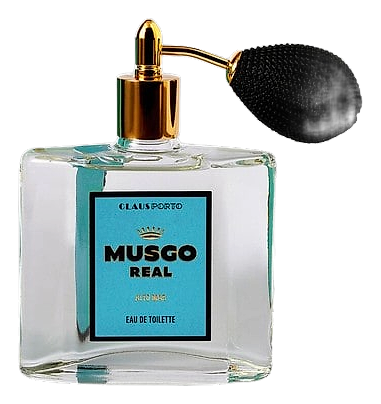
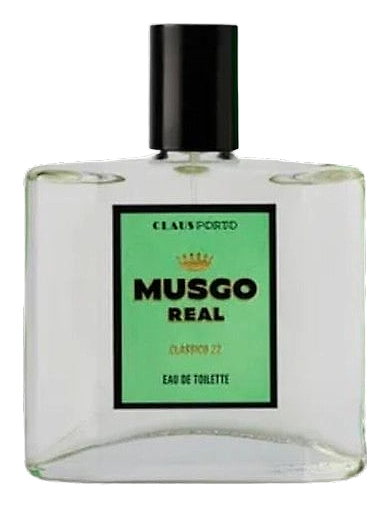
    Musgo Real Classic Scent by Claus Porto
    Best Seller
    4.5

    Musgo Real Classic Scent

    Agua de Colonia No.6 Luxurious Ebony by Claus Porto
    4.5

    Agua de Colonia No.6 Luxurious Ebony

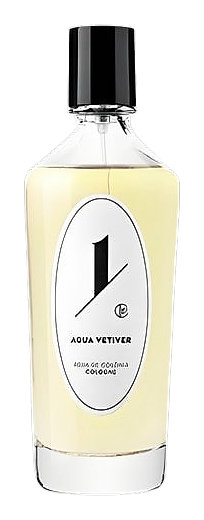
    Agua de Colonia No.1 Bergamot & Vetyver by Claus Porto
    4.5

    Agua de Colonia No.1 Bergamot & Vetyver

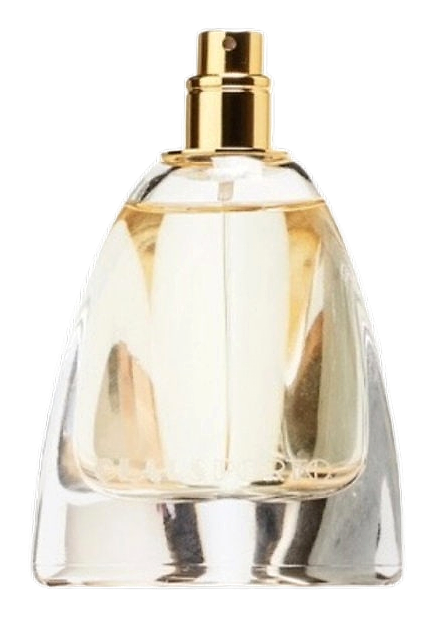
    Le Parfum by Claus Porto
    4.5

    Le Parfum

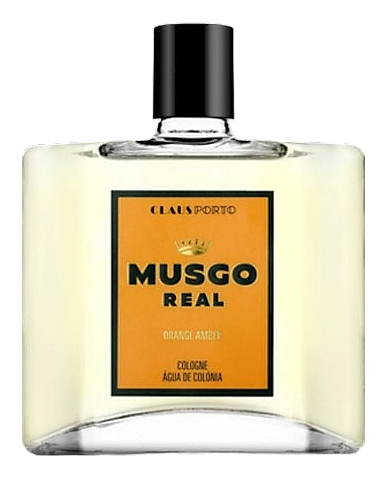
    Musgo Real Agua de Colonia No.1 Orange Amber by Claus Porto
    4.5

    Musgo Real Agua de Colonia No.1 Orange Amber

    Musgo Real Agua de Colonia No.3 Spiced Citrus by Claus Porto
    4.4

    Musgo Real Agua de Colonia No.3 Spiced Citrus

    Agua De Colonia No.5 Geranium Sandal by Claus Porto
    4.3

    Agua De Colonia No.5 Geranium Sandal

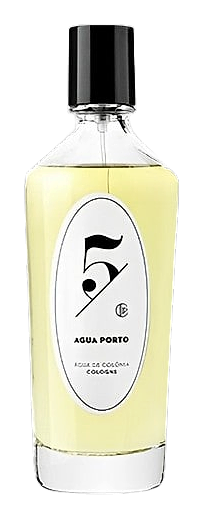
    Agua Porto by Claus Porto
    4.2

    Agua Porto

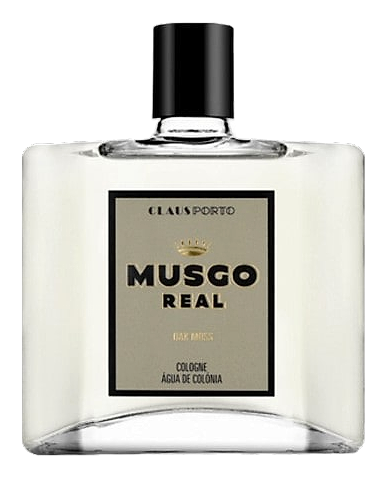
    Musgo Real Agua de Colonia No.2 Oak Moss by Claus Porto
    4.2

    Musgo Real Agua de Colonia No.2 Oak Moss

    1 of 2

    The Heritage

    The Story of Claus Porto

    Claus Porto is a Portuguese house that has turned everyday toiletries into objects of quiet luxury since 1887. Founded in the city of Porto by German entrepreneurs Ferdinand Claus and Georges Schweder, the brand began as the country’s first soap and fragrance factory. Over more than a century it has expanded into a curated line of colognes, scented soaps and body care, all distinguished by hand‑crafted techniques and a visual language that echoes the tiles and art‑deco architecture of its hometown. Today the brand operates a flagship boutique on Rua de Santa Catarina, where visitors can explore the full range of scents and admire the historic packaging that has become a collector’s item.

    Heritage

    The story of Claus Porto starts in 1887 when Ferdinand Claus, a soap‑maker from Germany, met Georges Schweder, a chemist, in the bustling port city of Porto. Together they secured a lease on a former wine warehouse and installed a copper vat imported from Hamburg. Their first product line combined locally sourced olive oil with imported fragrance oils, creating a soap that quickly earned a reputation for quality and distinctive scent. By the turn of the 20th century the company had introduced a range of coloured, patterned soaps that reflected the decorative tiles for which Porto is famous. In 1935 the house launched Musgo Real Classic, a fragrance that blended mossy notes with amber and remains in production today. The brand survived the disruptions of both World Wars, maintaining production by sourcing raw materials from neutral Spain and Portugal. After the 1974 Portuguese revolution, the company remained family‑run, passing through four generations who each added a layer of refinement while preserving the original hand‑craft ethos. The 1990s saw a revival of interest in heritage brands, prompting Claus Porto to open its first dedicated boutique in 1999, where the original copper vat is displayed as a centerpiece. Recent milestones include the 2017 release of Le Parfum, a modern interpretation of the house’s classic accords, and the 2019 Black Edition of Musgo Real, which introduced a deeper, smoky profile while retaining the original formula’s structure. Throughout its history the brand has balanced continuity with subtle innovation, allowing it to remain relevant in a market dominated by mass‑produced fragrances.

    Craftsmanship

    Production at Claus Porto begins with a copper vat that has been in continuous use since the late 19th century. Soap bases are blended by hand, combining olive oil, coconut oil and animal fats with a precise proportion of fragrance oils. The mixture is poured into moulds that bear the brand’s signature tile pattern, then left to cure for several weeks, a process that allows the scent to mature evenly throughout the bar. For its colognes, the house employs a cold‑press distillation method for citrus extracts, preserving the bright top notes that define many of its Agua de Colonia releases. Base notes such as amber, sandalwood and musk are sourced from certified suppliers in Europe and the Middle East; each batch is tested for purity using gas chromatography before being blended. The blending room is kept at a constant 20 °C to ensure that volatile compounds integrate smoothly. After blending, the perfume is rested for a minimum of three months, a period that allows the ingredients to harmonise. Bottles are hand‑filled on a production line that limits exposure to air, and each is sealed with a waxed cork that bears the brand’s monogram. Quality control includes sensory evaluation by a panel of trained noses who compare each batch against a reference standard kept in the archive. Packaging materials, from the coloured paper wraps to the ceramic jars, are produced by local artisans who follow traditional hand‑stitching and glazing techniques, reinforcing the house’s commitment to tactile excellence.

    Design Language

    The visual language of Claus Porto draws directly from the azulejo tiles that line the streets of Porto. Every soap bar is wrapped in paper printed with geometric tile motifs in muted blues, greens and golds, a pattern that has remained largely unchanged since the early 1900s. The brand’s fragrance bottles echo this heritage; the Le Parfum bottle, for example, features a slender glass silhouette capped with a brushed‑metal stopper that resembles a traditional tile latch. Store interiors showcase reclaimed wood, wrought‑iron fixtures and large wall murals composed of hand‑painted tiles that depict scenes of the Douro river and historic Porto warehouses. Typography is clean and serif, set against a cream background that lets the colour of the product take centre stage. Seasonal limited editions often introduce a single accent colour to the packaging, but the underlying tile grid remains the anchor, reinforcing a sense of place. This restrained yet richly detailed aesthetic positions the brand as both a custodian of Portuguese design and a contemporary lifestyle label.

    Philosophy

    Claus Porto frames its creative work as a dialogue between past and present. The house believes that scent should evoke memory without relying on fleeting trends, so each new fragrance is rooted in archival formulas that are examined for relevance to contemporary tastes. Sustainability is approached through the continued use of locally harvested ingredients such as Portuguese lavender, rosemary and citrus peel, which are processed in small batches to preserve their natural character. The brand’s values stress transparency; ingredient lists are published on product labels, and the sourcing of essential oils is traced back to regional cooperatives whenever possible. Artistic expression is encouraged through collaborations with Portuguese ceramicists and tile makers, ensuring that the visual presentation of each product mirrors the tactile quality of the scent itself. Rather than chasing novelty for its own sake, the house seeks to refine classic structures, allowing the inherent personality of each note to emerge. This measured approach positions the brand as a steward of olfactory heritage, offering consumers a sense of continuity in an ever‑changing market.

    Key Milestones

    1887

    Ferdinand Claus and Georges Schweder establish Portugal's first soap and fragrance factory in Porto.

    1935

    Launch of Musgo Real Classic, a scent that combines moss, amber and woody notes.

    1999

    Opening of the first Claus Porto boutique in Porto, featuring the historic copper vat.

    2017

    Release of Le Parfum, a modern reinterpretation of the house's classic accords.

    2019

    Introduction of Musgo Real Black Edition, adding smoky nuances to the original formula.

    At a Glance

    Brand profile snapshot

    Origin

    Portugal

    Founded

    1887

    Heritage

    139

    Years active

    Collection

    2

    Fragrances released

    Avg Rating

    4.3

    Community sentiment

    Release Rhythm

    2025
    2
    2024
    1
    2023
    1
    2020
    1
    2019
    1
    2018
    5
    2017
    1
    1935
    1
    clausporto.com

    Did You Know?

    Interesting Facts

    Distinctive details and defining moments that shape the house personality.

    01

    The original copper vat used for soap making was imported from Hamburg and has been in continuous operation for more than 130 years.

    02

    Claus Porto's signature tile pattern was designed by a local Portuguese artist in 1902 and has appeared on every product wrapper since.

    03

    During World War II the company sourced citrus essential oils from neutral Spain to keep its Agua de Colonia line in production.

    04

    The Musgo Real Classic fragrance, first released in 1935, is still manufactured using the same base formula and ingredients list.

    The Artisans

    The Perfumers