The Story
Why it exists.
The beginning
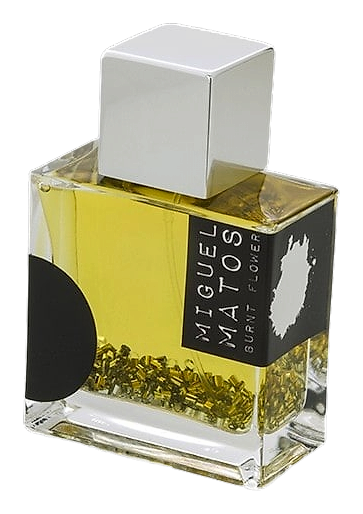
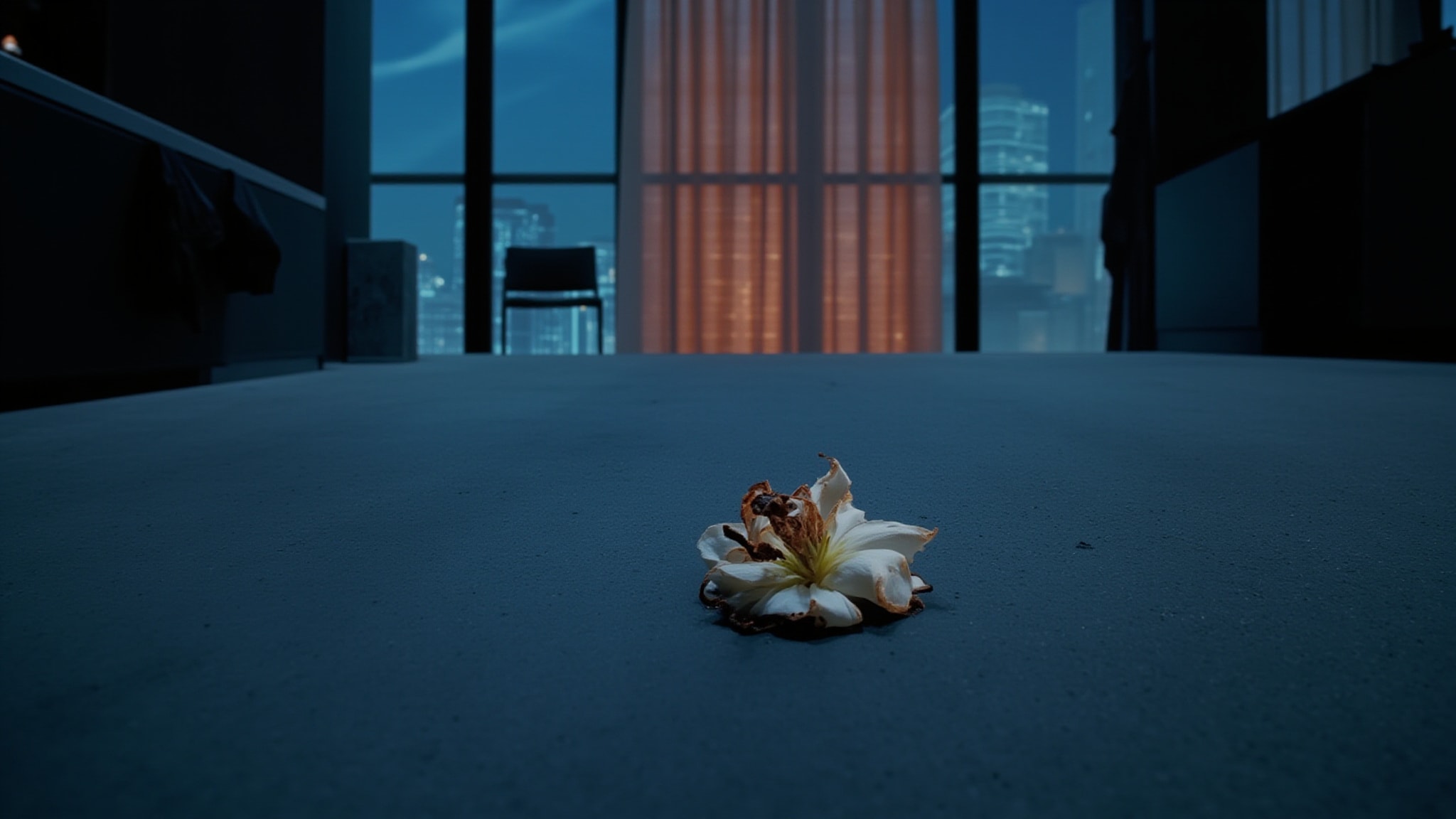
Burnt Flower is a tuberose fragrance that refuses to be pretty. The concept is the flower of desire, set on fire by its own wanting. What remains is smoke, leather, and something darker than petals should be. The fragrance opens with an unexpected rawness, the sweetness of the bloom singed at its edges. There's an immediacy to the smoke that gives way to deeper, more meditative qualities as it develops. The leather emerges not as harshness but as something worn and intimate, like well-used suede. It's a scent that asks something of the wearer, offering complexity in place of easy charm.
The choice to burn the flower is the radical move. Tuberose in perfumery is almost always presented as beautiful, creamy, indolic, luxurious. Matos wanted to show what happens when desire destroys itself. The result isn't a destroyed flower as metaphor. It's smoke as a material, leather as a sensation, and an animalic warmth that makes the fragrance feel worn against skin rather than applied to it. The coconut and iris don't soften the blow, they're there to make you believe the beauty existed before the fire.
The evolution
The opening arrives fast: bright citrus collapsing into cinnamon and cade oil's tarry smoke. The transition feels sudden, as if the initial freshness is being consumed by something denser. Within moments, a coconut-cream quality emerges in the heart, a memory of sweetness hovering in the air, but the tuberose is already asserting itself, sweet, white, and insistent. The composition then shifts again, the cloves and castoreum making their presence known, the overall effect becoming something darker, warmer, with an animalic pulse that refuses to hide. The drydown settles into suede and cedar, close and worn, the burnt floral note never fully disappearing, lingering as smoke rather than sweetness. There's a persistence to the scent that keeps it present for hours.
Cultural impact
The concept alone distinguishes this in the animalic-floral space: a tuberose destroyed by its own desire, not preserved in beauty. The smoke-and-castoreum drydown is the proof, something worn against skin rather than announced to a room. For those seeking a fragrance that operates on multiple levels, as idea and as scent simultaneously, this delivers something worth examining. It's the kind of work that invites conversation about what perfume can be.