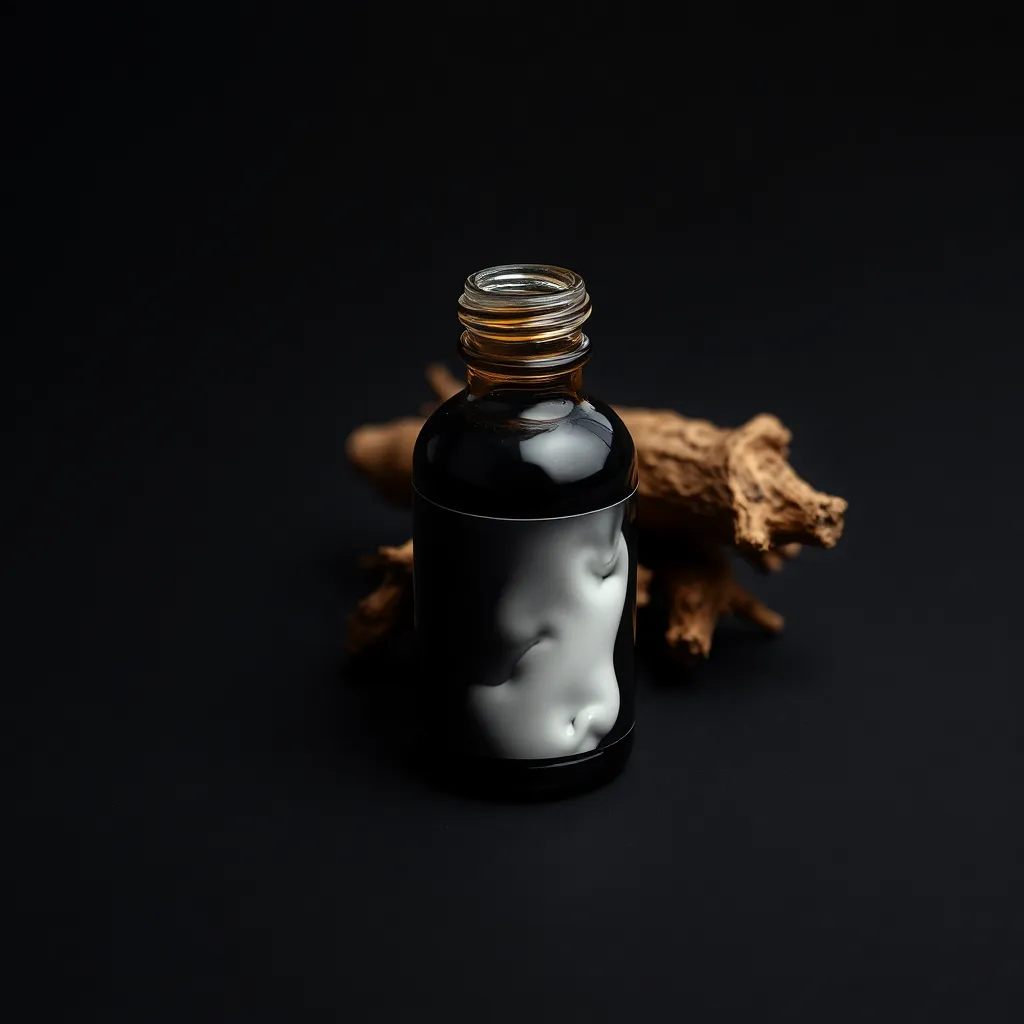
Cade Oil
Smoky, tarry, and intensely complex, Cade Oil is a base note extracted from Mediterranean juniper through destructive distillation. Its rugged character anchors woody and leather compositions with a raw, aromatic depth.

Character
How it smells
Raw juniper smoke, weathered leather
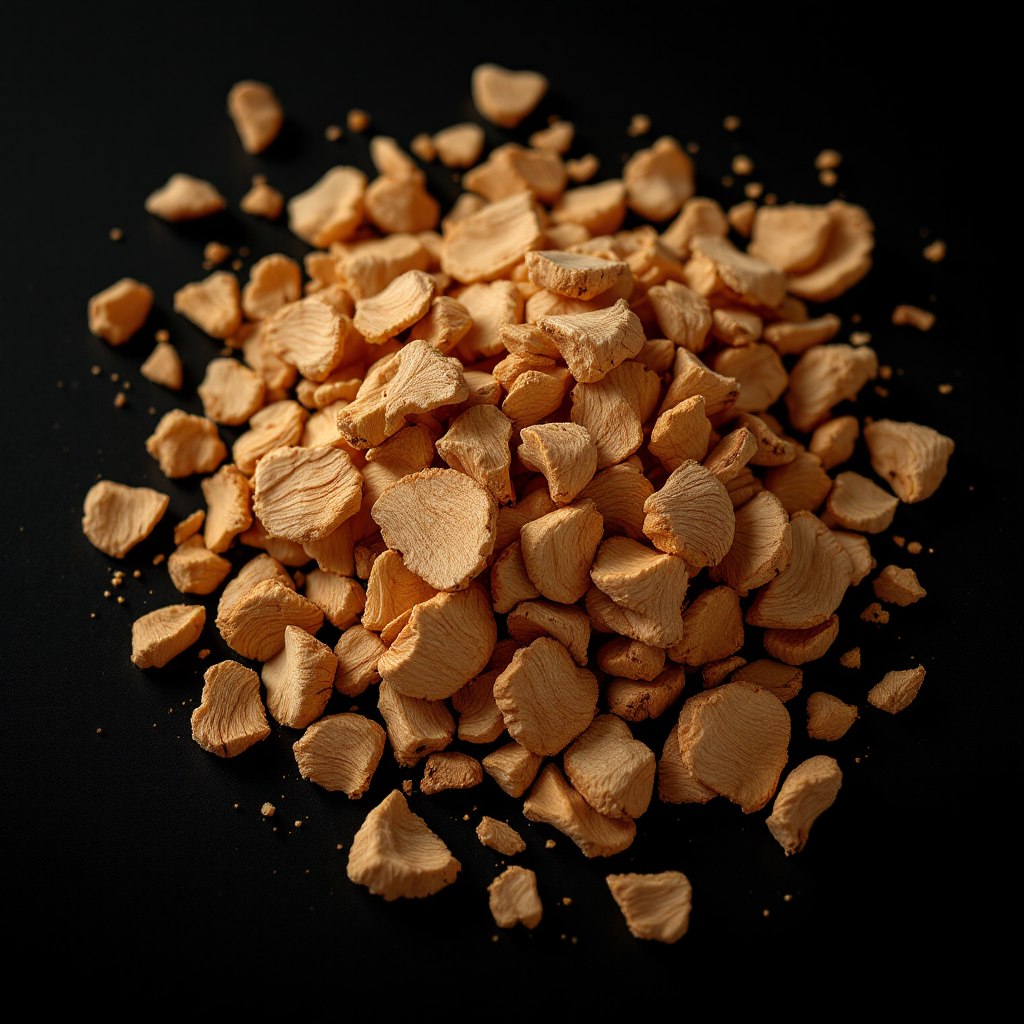
The same juniper shrub that gives Gin its botanical character produces Cade Oil when subjected to extreme heat through a process called pyrolysis.








Origin
France
While Cade Oil only entered formal perfumery in the nineteenth century, its origins run far deeper. Mediterranean communities have burned juniper wood for smoke and protection for centuries, with the harsh, smoky scent becoming intertwined with ritual and daily life alike.
Early nineteenth-century perfumers encountered cade oil through medicinal eaux and aromatic waters, recognizing its potential for creating complex leather bases that evoked the trade goods transported across desert routes. The raw, animalic quality suggested saddles and worn leather, giving perfumers a tool to evoke memory and travel.
By the twentieth century, cade oil had established itself as a signature base note in masculine fragrances and leather accords, valued for its tenacity and distinctive smoky character that persists through the dry-down. Contemporary perfumers continue to draw on cade oil when constructing compositions that require a sense of rugged authenticity, using it sparingly to add depth that simpler ingredients cannot achieve.
Wears it best
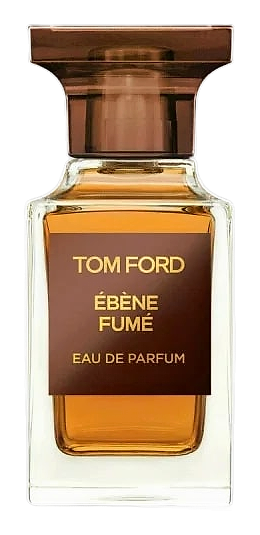
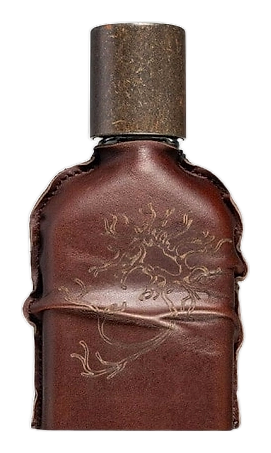
Fragrances featuring Cade Oil





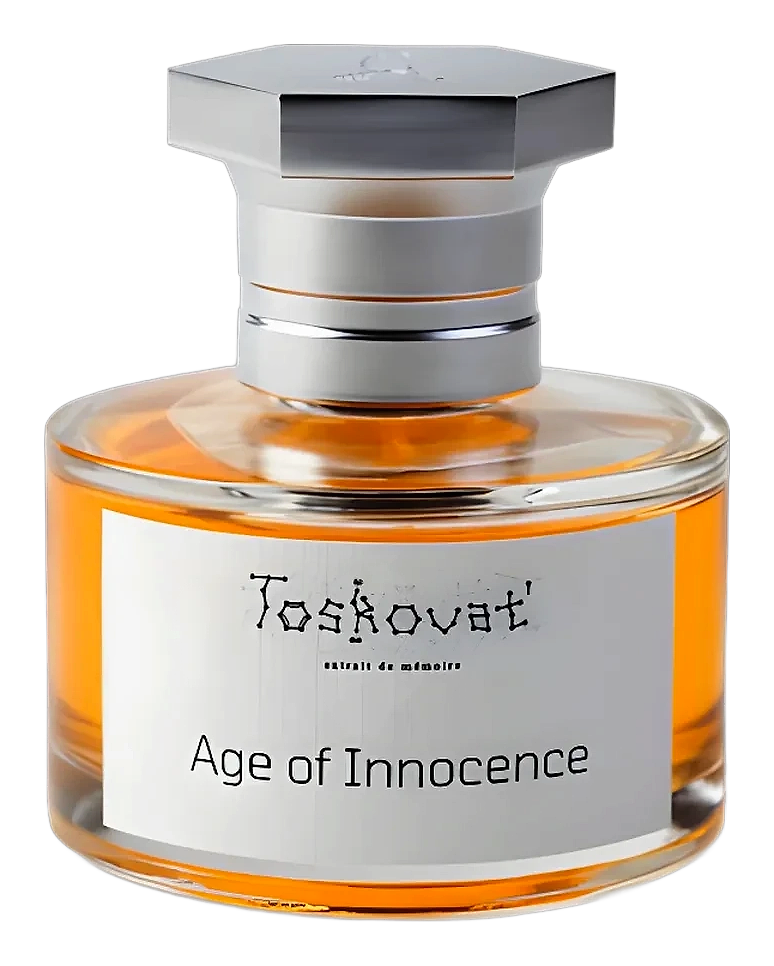
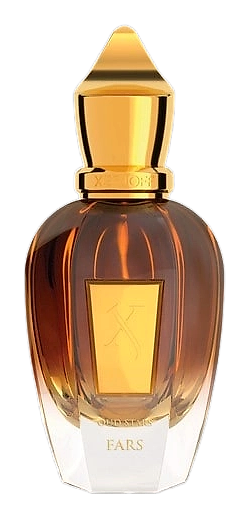
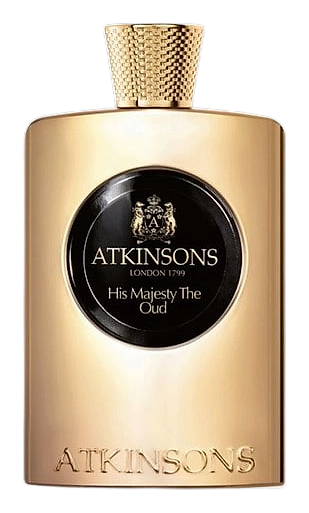
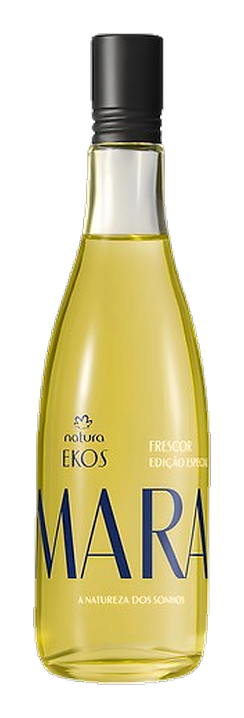
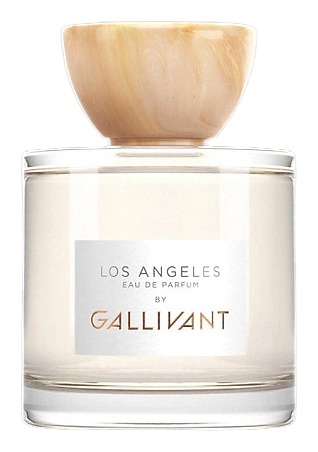
Brands
Brands known for Cade Oil
Good to know
Questions, answered
The essentials on Cade Oil in perfumery: how it smells, where it comes from, and how it behaves on skin.
What does cade oil smell like?
Cade oil delivers intense smoky, tarry, and woody characteristics with a slightly medicinal edge. It reads as rugged and complex, most often described in leather and tobacco contexts. Just one or two percent in a formula provides noticeable presence as a base note.
Is crude cade oil safe for cosmetic use?
Crude cade oil contains phenolic compounds that pose skin sensitization risks. Modern perfumery uses rectified cade oil, processed to remove allergens and harmful constituents. This rectification step brings it into compliance with IFRA standards for safe consumer use.
What is the difference between cade oil and juniper berry oil?
Cade oil comes from the wood and twigs of Juniperus oxycedrus processed through pyrolysis, yielding a dark tar with smoky, leathery aroma. Juniper berry oil is steam-distilled from the female seed cones and presents a fresher, gin-like, slightly sweet scent profile. These are distinct materials from the same plant.
Which fragrance families use cade oil?
Cade oil appears primarily in leather, woody, tobacco, and chypre compositions. Its smoky depth supports masculine bases, oriental structures, and vintage-style leather accords. Perfumers employ it to add rugged authenticity that synthetic alternatives struggle to replicate.
Where does cade oil originate?
Juniperus oxycedrus grows natively across the Mediterranean Basin. Commercial production centers on France, Morocco, and Spain, where dry conditions produce wood with optimal aromatic concentration. The southern French Provence region remains a traditional growing area.
Why is cade oil rectified before perfumery use?
Rectification removes phenolic compounds including creosol and guaiacol that can cause skin sensitization. Steam distillation of the crude tar eliminates these allergens while preserving the aromatic compounds that give cade oil its characteristic smoky, leathery profile.
How much cade oil do perfumers use in a formula?
Cade oil has very high odor strength, so perfumers use it sparingly, typically between 0.5 and 2 percent of a formula. Even at low concentrations, it contributes persistent base note character that survives through the dry-down phase of a fragrance.
Does cade oil have traditional uses outside perfumery?
Mediterranean cultures historically burned juniper wood for protection and purification, embedding the smoky scent into daily life. Cade oil also appears in traditional topical applications and historical medicinal preparations, though modern safety standards have shifted these uses toward ritual rather than therapeutic contexts.