
The Story
Why it exists.
The beginning
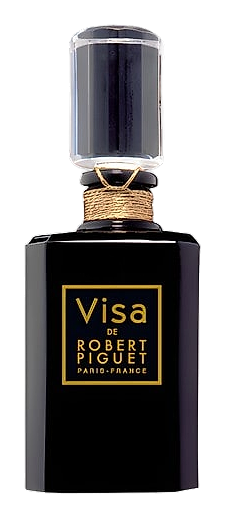
The original Visa arrived in 1945, created by Germaine Cellier. Cellier built it around an unusual tension: fruit and flowers up top, leather anchoring the base. The fragrance was noted for its structural boldness, layering bright, almost effervescent top notes against a deep, animalic base that refused to be subtle. Over the years it accumulated a passionate audience among those who appreciated its uncompromising character. In 2007, the house brought Aurélien Guichard in to reinterpret it.
Guichard faced a delicate task: honor Cellier's structure without simply copying it. The 1945 original was a product of its era, specific materials, specific techniques, a specific sensibility about what women's fragrance could be. His solution was to keep the architectural skeleton intact, the white peach and pear opening, the floral heart, the leather-patchouli-vanilla base, while updating the execution to current standards. The immortelle in the heart notes adds a honeyed, slightly medicinal quality, the kind of note that divides opinion but refuses to be ignored.
The evolution
The opening announces itself quickly: white peach and pear, bright and almost effervescent against violet leaf's green edge. Bergamot and yellow mandarin add a citrus sparkle that lifts everything. The heart materializes slowly, ylang-ylang leads, creamy and tropical, followed by rose and orange blossom creating a floral statement that feels classic without being dated. The immortelle threads through here, adding a honeyed, slightly resinous counterweight that prevents the flowers from becoming saccharine. This middle phase holds for several hours. Then the base takes over. Leather emerges as the defining character, not aggressive, but present, warm, and unexpectedly central given where the fragrance began. Patchouli and sandalwood add depth. Vanilla and benzoin soften everything. Vetiver and oakmoss add that vintage chypre structure that dates the original.
Cultural impact
Visa 2007 occupies an interesting position in the fragrance world. It bridges fruity-floral accessibility and chypre structure, contemporary enough to appeal broadly, historically grounded enough to reward close attention. The leather-vanilla drydown has a certain authority to it, warm and present, refusing to be ignored. The immortelle and oakmoss contribute to that character. For those who appreciate its particular architecture, the journey from peach to leather, the vintage structure beneath the modern surface, it has become a reference point.