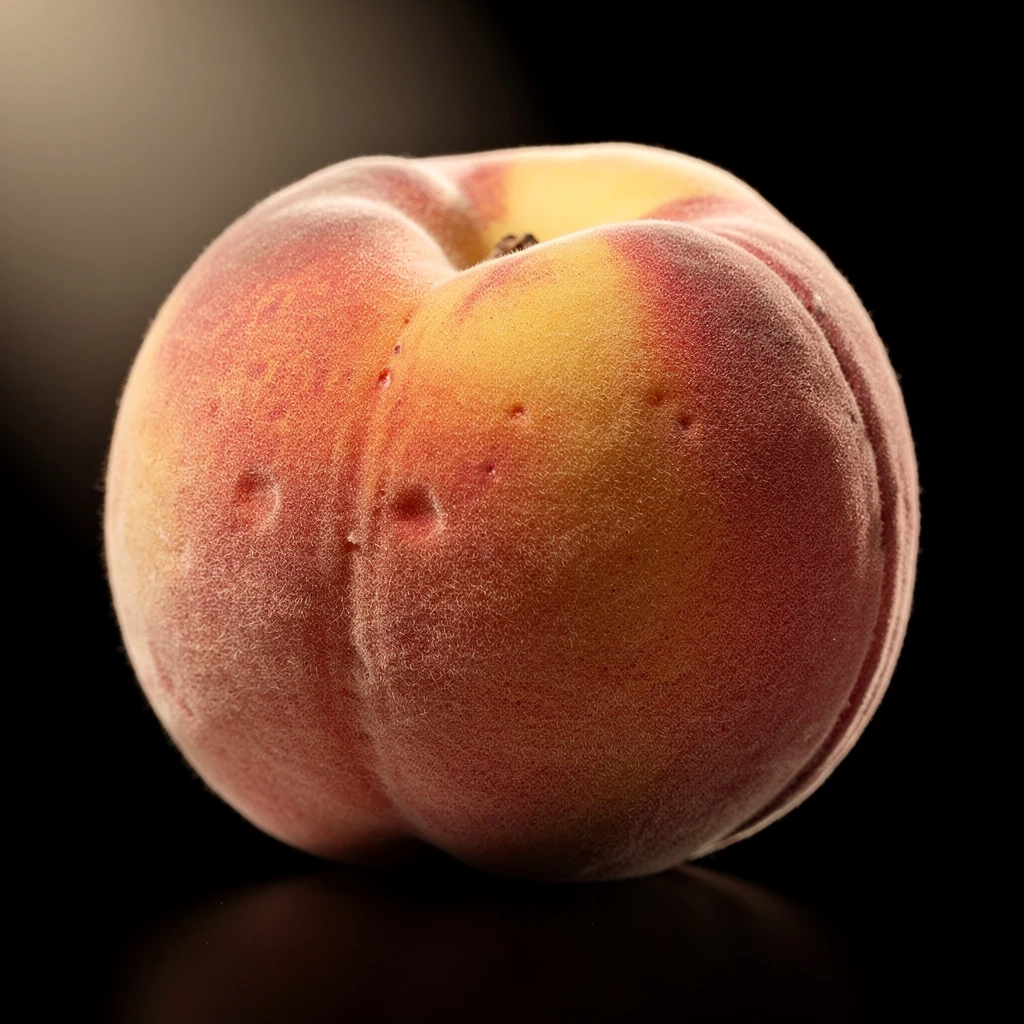
White Peach
A luminous stone fruit that captures the moment of peak ripeness, fuzzy skin, sun-warmed flesh, and that singular sweetness that lasts only a few weeks each summer.
Character
How it smells
Sun-ripened tenderness captured in a bottle.
The peach tree originated in Zhejiang province, China, and its blossoms have symbolized longevity in Chinese art for over 2,000 years.







Origin
China
The peach tree (Prunus persica) traces its origins to Zhejiang province in Eastern China, where cultivators first treasured it over 4,000 years ago. Chinese texts from the Han dynasty describe peach cultivation in elaborate detail, and the fruit quickly became woven into mythology, symbolizing immortality and protection against evil spirits. Peach branches appeared in temple offerings and court poetry alike. Traders carried peach pits along the Silk Road, introducing the tree to Persia and eventually Europe.
Western gardeners initially called it "Persian apple," a name that lingered in botanical nomenclature. By the Victorian era, European perfumers began experimenting with fruit notes, though true peach accord remained elusive without modern synthesis. The late 19th century brought the chemical compounds that would change this: researchers isolated lactones and aldehydes that mirrored peach's aromatic profile. Fragrance houses like Guerlain incorporated peach-like notes in classical compositions.
By the mid-20th century, white peach became a standard in women's fragrances, celebrated for its soft, approachable warmth. Today, white peach appears across luxury and mass-market perfumes alike, a quiet reminder of a fruit that traveled from Chinese imperial gardens to every dressing table.
Wears it best
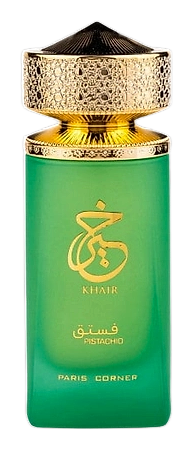
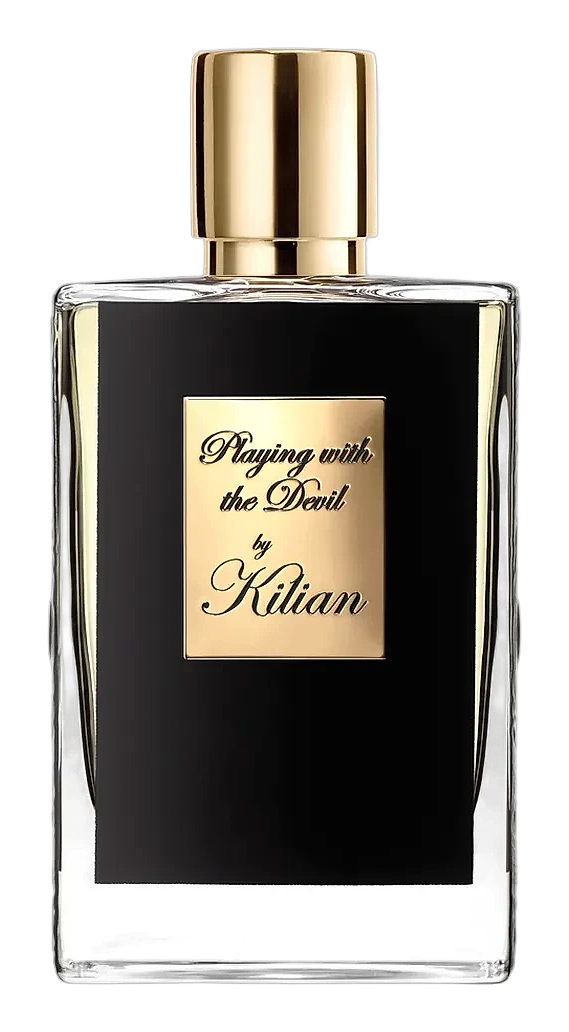
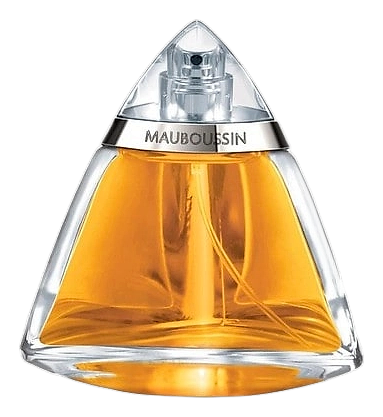
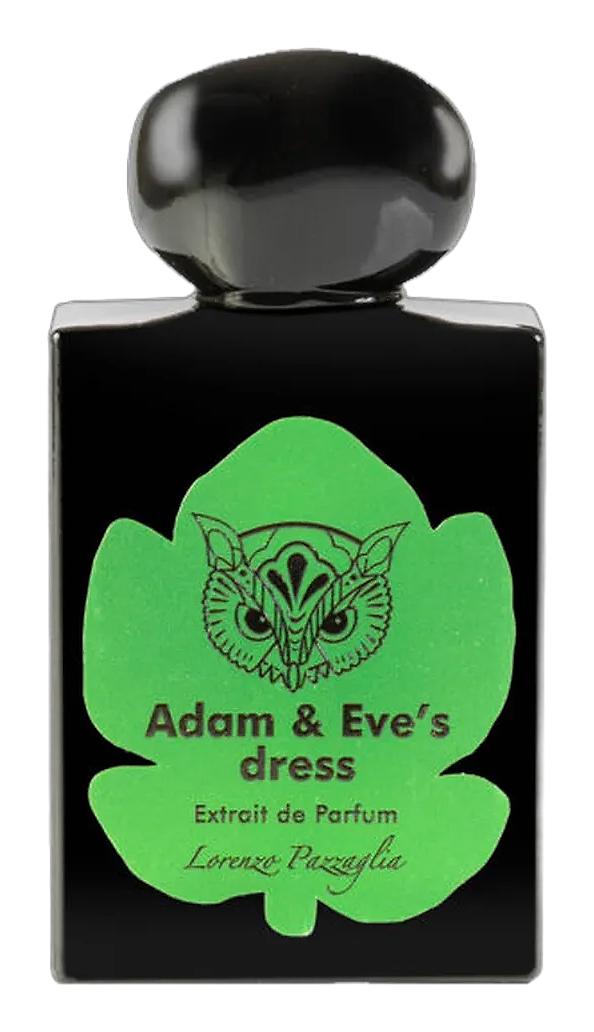
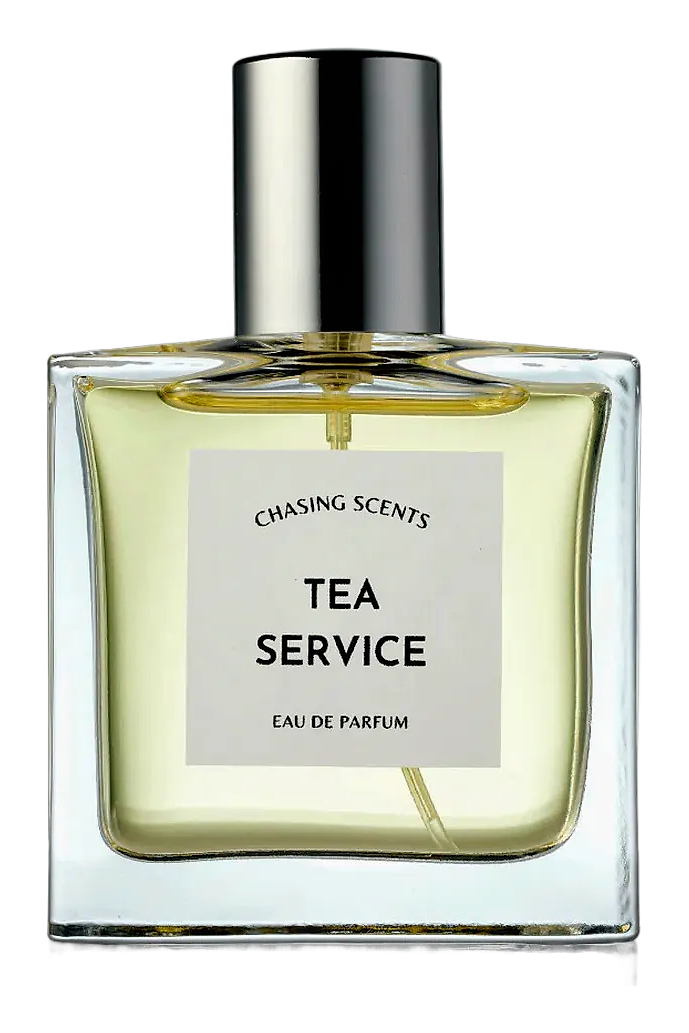
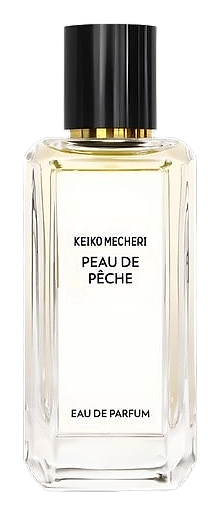
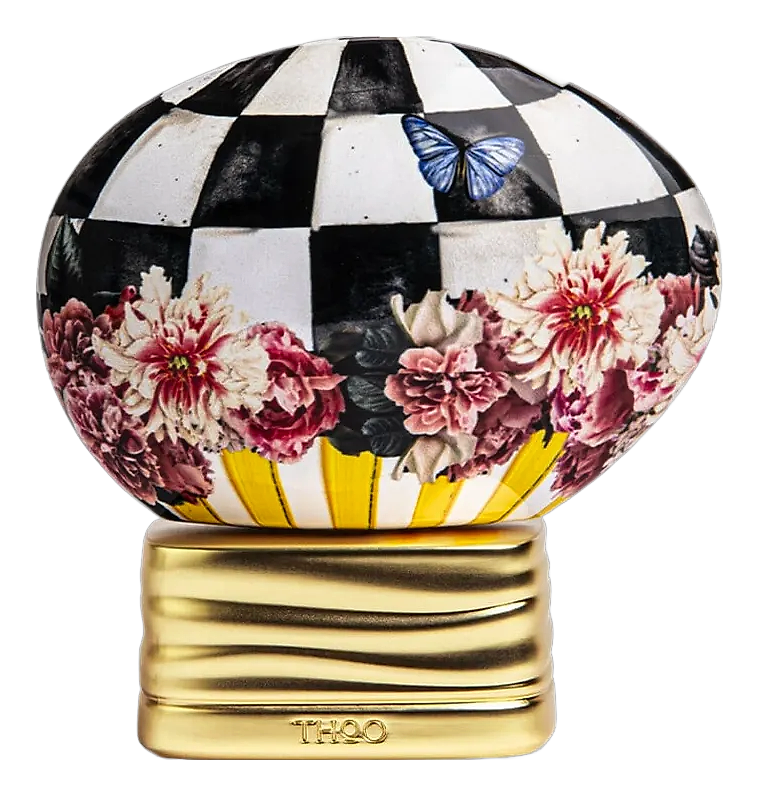
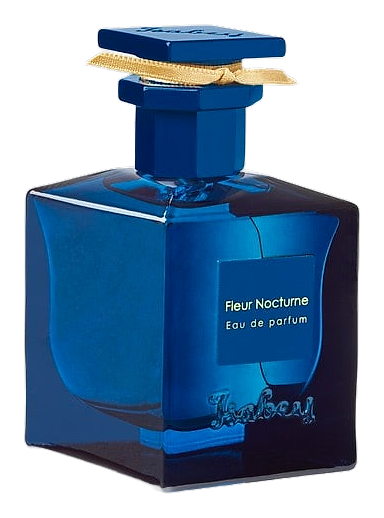
Fragrances featuring White Peach




Brands
Brands known for White Peach
Good to know
Questions, answered
The essentials on White Peach in perfumery: how it smells, where it comes from, and how it behaves on skin.
Can you extract essential oil from white peaches?
No, white peaches do not yield essential oil through any extraction method. The fruit's high water content and delicate aromatic compounds degrade during processing, making natural peach essence impossible to obtain. Perfumers recreate peach entirely through synthetic chemistry.
What chemicals create white peach scent in perfumes?
Perfumers primarily use gamma-decalactone (peach lactone) and gamma-undecalactone to create the creamy, velvety peach character. Aldehydic compounds add fresh, just-picked brightness. Blending these molecules in specific ratios produces a recognizable peach note without any actual fruit material.
How long has peach been used in perfumery?
Peach notes entered Western perfumery in the late 19th century alongside modern synthetic chemistry. True peach accord became common in fragrances by the mid-20th century, though the fruit's symbolic presence in perfumery dates back thousands of years in Chinese traditions.
Does white peach smell different from yellow peach?
White peach tends toward a more delicate, slightly floral sweetness with less tartness. Yellow peach carries more acidic, tangy edges. In perfumery, white peach accord emphasizes creaminess and soft ripeness, while yellow peach leans into deeper, more tart fruit character.
Is white peach a top, middle, or base note?
White peach typically appears as a heart note in fragrance composition. Its moderate volatility allows it to linger through the middle phases of wear while maintaining freshness. Some formulas position it as a bright opening note with slightly heavier base materials grounding the composition.
What fragrance families pair well with white peach?
White peach integrates naturally with floral families, particularly rose and peony. It also complements transparent musks, soft woods like cashmere, and bright citrus top notes. Gourmand compositions often feature white peach for its sweet, edible quality.
Why do perfumers prefer synthetic peach over natural extraction?
Synthetic peach offers consistency, longevity, and cost efficiency that natural extraction cannot match. Natural peach aroma degrades quickly and varies with harvest conditions. Synthetics provide reliable, identifiable scent that performs predictably across fragrance applications.
Where did the peach tree originate?
The peach tree (Prunus persica) originated in Zhejiang province in Eastern China, where cultivators first treasured it over 4,000 years ago. Traders carried peach pits along the Silk Road, introducing the tree to Persia and eventually Europe, where it became known as the "Persian apple."