The Story
Why it exists.
The beginning
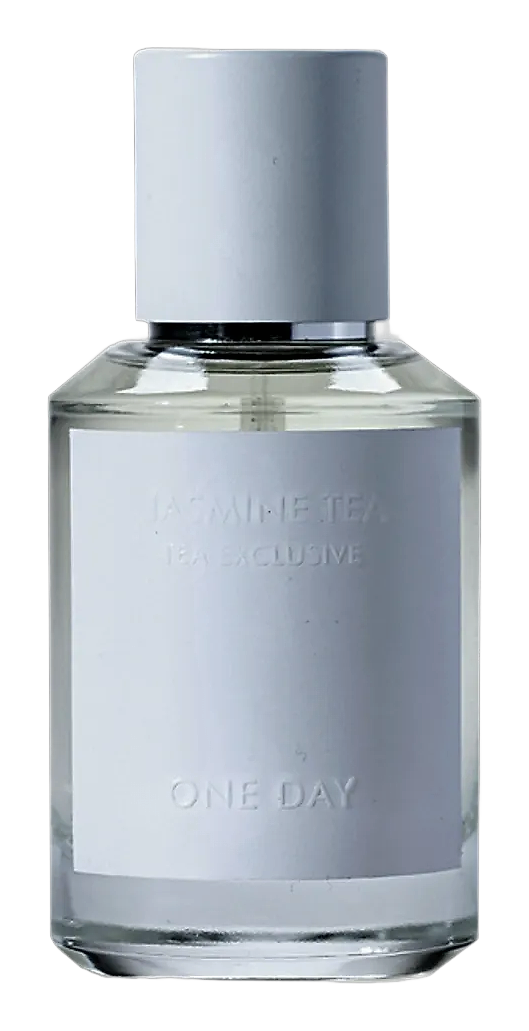
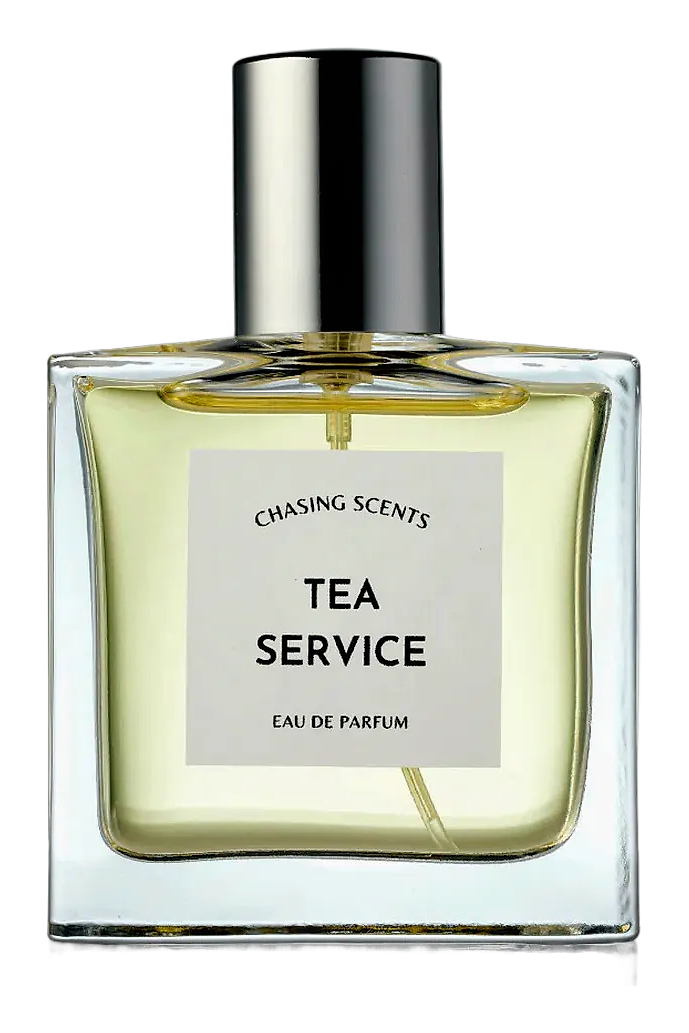
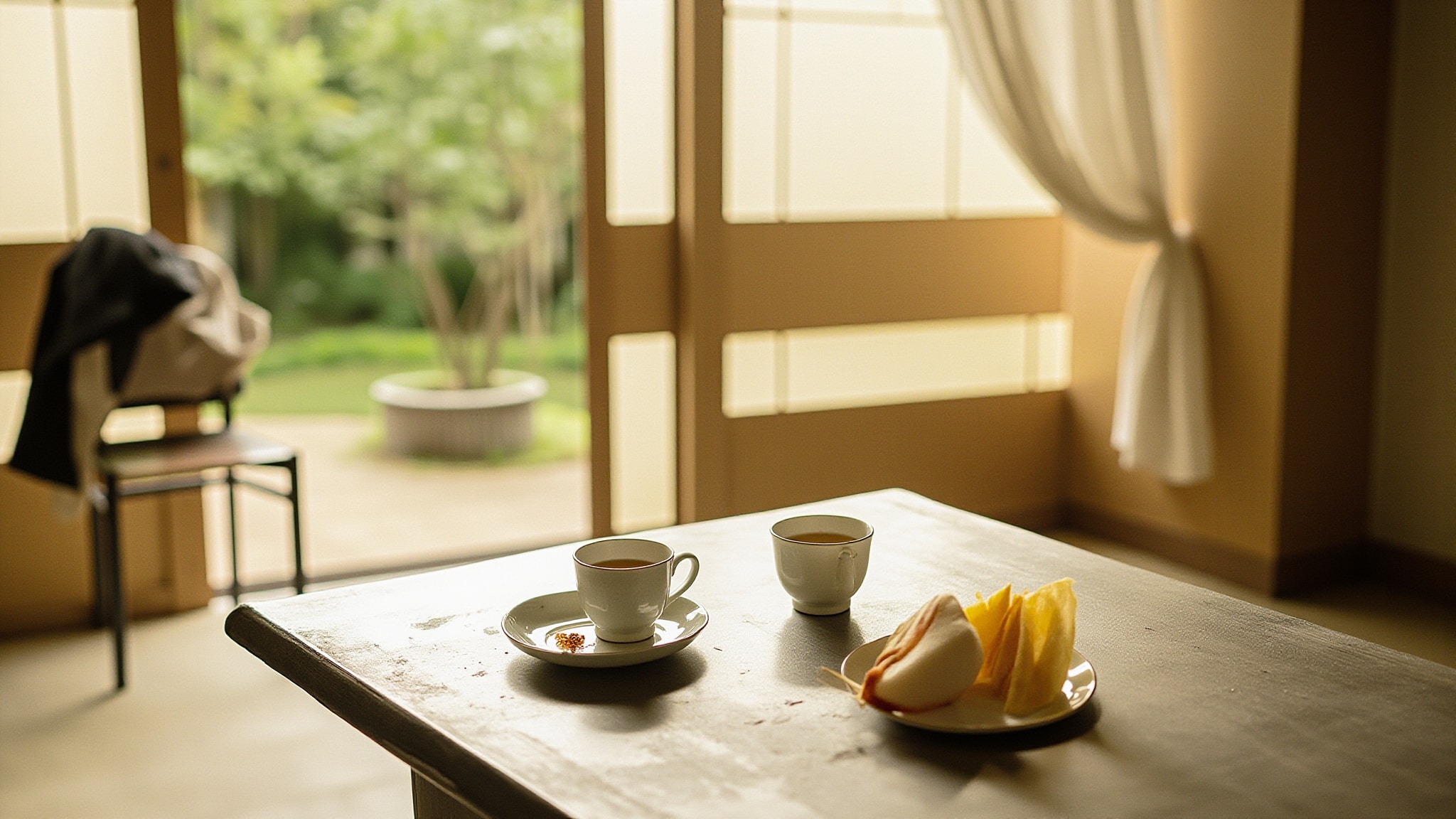
The name says it all. Sandy Wong designed Tea Service around the ritual of yum cha, those weekend mornings where time bends around a pot of jasmine tea and someone keeps refilling your cup before you ask. It's not a fragrance about tea as concept or metaphor. It's about the actual atmosphere of a crowded teahouse on a Saturday: shared plates, overlapping conversation, steam rising from ceramics. The mood is private tea house meets lively table, contradictory until you're in it, then it just feels right.
What makes this composition unusual is how the tea stays structural rather than decorative. Jasmine tea and oolong sit at the top, not as an aromatic garnish but as the actual backbone, and osmanthus absolute, with its apricot-and-honey character, bridges the gap between the tea notes and the sweeter fruit elements without collapsing them together. Goji berry adds a faint tartness that keeps the sweetness honest. White peach does what white peach always does: softens without disappearing. The natural musk base doesn't project much, which is the point. This isn't a fragrance built to announce itself. It's built to stay.
The evolution
The opening arrives cool and green, jasmine tea first with a faint mineral edge that reads more oolong than perfume. Thirty minutes in, the osmanthus absolute emerges, that apricot-honey note that most perfumers bury but Wong lets breathe. White peach follows, not as a primary flavor but as warmth. Goji is quiet, more suggestion than statement. By hour three, the jasmine has softened into something closer to memory than material. The musk doesn't so much arrive as become inevitable, a soft, skin-close presence that outlasts everything else. On fabric, the tea notes persist into the next morning, faint and pleasant. On skin, count on six to eight hours of quiet company.
Cultural impact
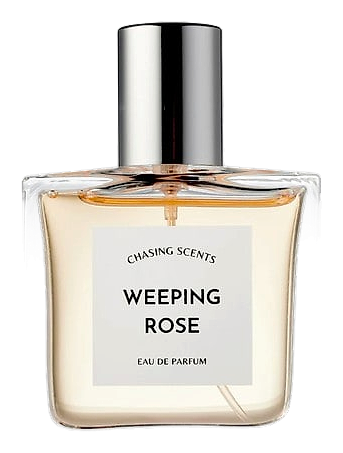
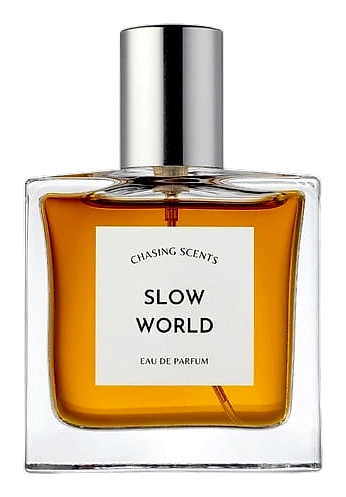
Tea-scented fragrances occupy a unique space in perfumery, rooted in traditions spanning Japanese ceremonial matcha, Chinese oolong appreciation, and British afternoon tea rituals. The cultural weight of tea as a meditative, communal practice translates directly into how these fragrances are marketed and worn. Unlike floral or citrus categories that dominate Western perfumery, tea fragrances appeal to consumers seeking scents associated with calm, mindfulness, and slow living. In the Australian market, Chasing Scents represents a growing movement toward botanical fragrances that honor the country's proximity to Asian tea culture.