Jasmine Tea
Jasmine Tea captures the quiet ceremony of scenting green tea leaves with fresh jasmine blossoms. The result sits lighter and greener than pure jasmine absolute, with a clean, leafy lift beneath the indolic sweetness.
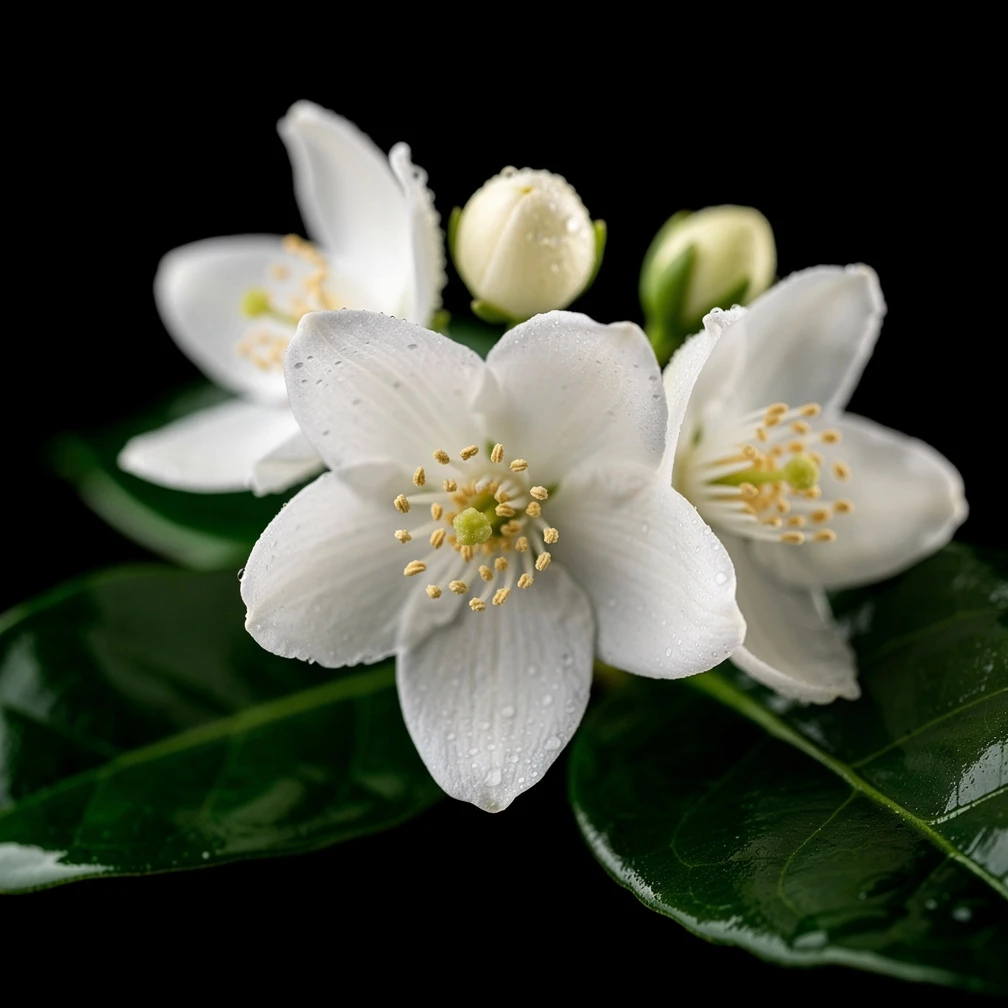
Character
How it smells
Steeped blossoms, bottled calm.
Fuzhou in Fujian Province refined the scenting process during the Song Dynasty (960 to 1279), making jasmine tea the oldest scented tea still produced at scale today.









Origin
China
Jasmine tea traces back to the Song Dynasty in China, with Fuzhou later refining the layered scenting technique that defines the category. Tea gatherers would pile fresh evening-blooming jasmine blossoms with finished green tea leaves, allowing the dry leaf to absorb the volatile oils overnight before sifting the spent flowers away. The process repeated seven times in the most prized grades.
Jasmine itself has deeper roots in perfumery, with documented use in ancient Egypt by 1000 BCE and a cultivation tradition that took hold in Grasse, France, by the sixteenth century. Grasse jasmine peaked during the 1920s, when demand from Parisian couture houses drove harvest prices to extraordinary levels. Egyptian, Indian, and Moroccan production now dominates global supply, though Grasse Jasminum grandiflorum retains its protected geographic status.
The tea-leaf ritual eventually inspired perfumers to translate that quiet, vegetal freshness into a fragrance category of its own.
Wears it best
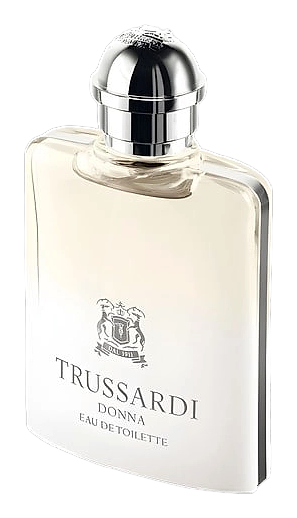
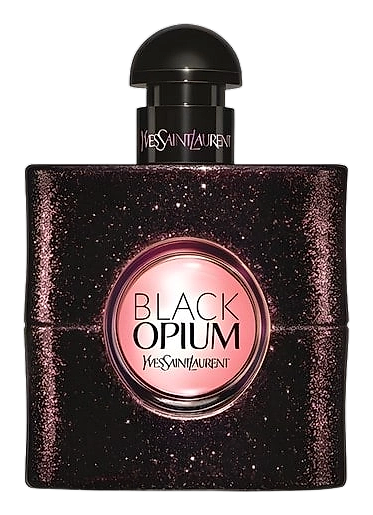
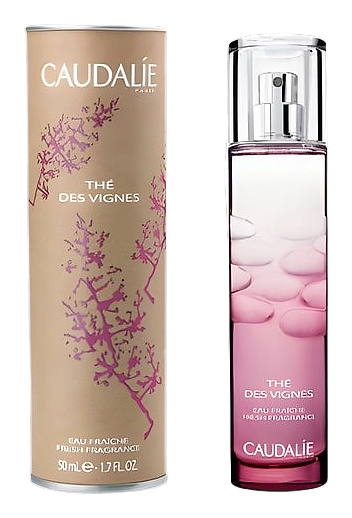
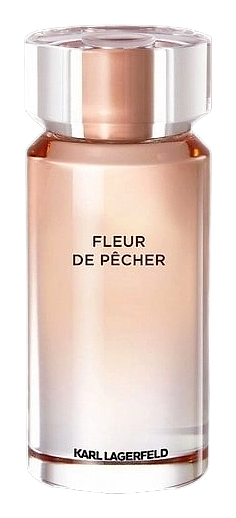
Fragrances featuring Jasmine Tea

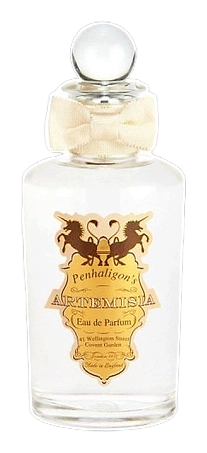

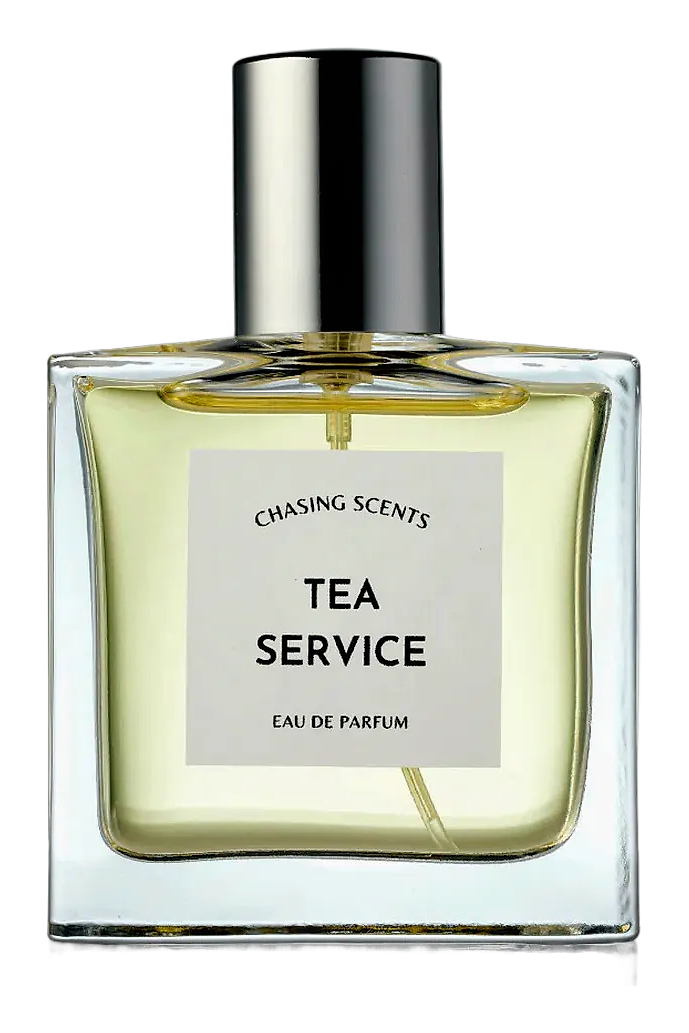
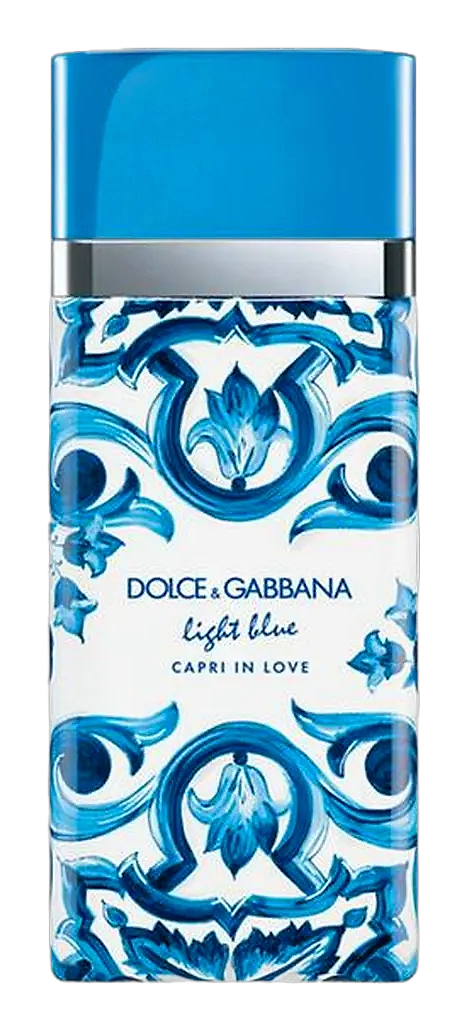

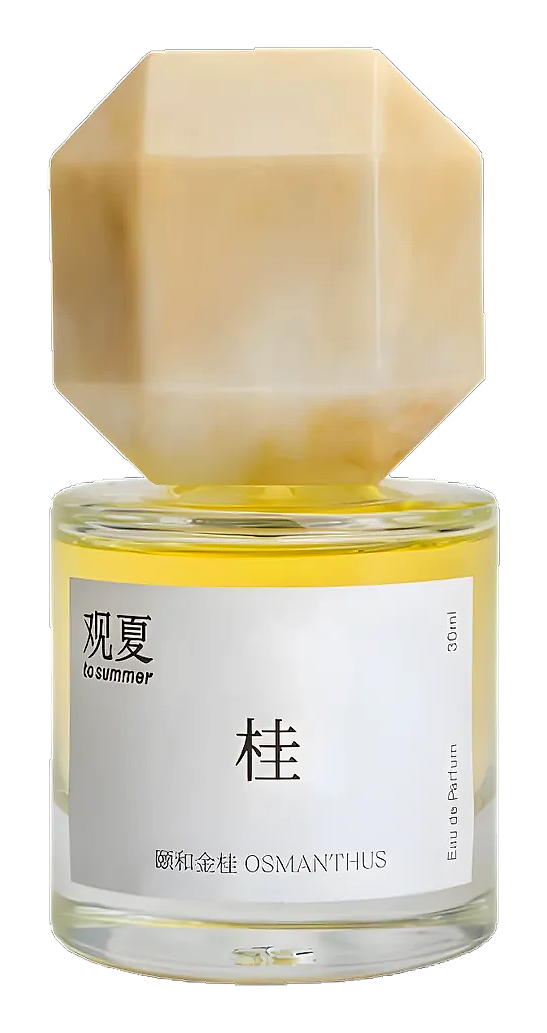
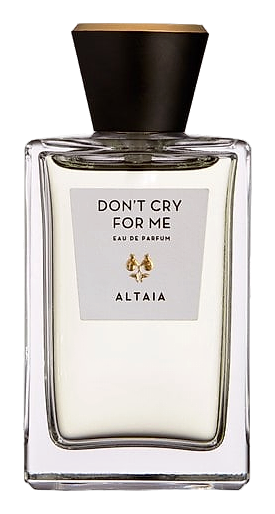
Brands
Brands known for Jasmine Tea
Good to know
Questions, answered
The essentials on Jasmine Tea in perfumery: how it smells, where it comes from, and how it behaves on skin.
What does Jasmine Tea smell like in perfume?
It smells like fresh jasmine layered over steeped green tea leaves. The jasmine brings indolic sweetness while the tea adds a clean, leafy, slightly bitter freshness that softens the floral into something translucent and watery.
Is Jasmine Tea a natural or synthetic fragrance note?
Jasmine Tea is typically an accord, meaning perfumers combine natural jasmine absolute with natural or reconstructed tea notes. Pure jasmine absolute comes from solvent extraction, while the tea character often relies on aromatic isolates or CO2 extracts of Camellia sinensis.
Where does Jasmine Tea originate from?
The scented tea tradition originated in China, with Fuzhou in Fujian Province recognized as the birthplace of the layered scenting method around the Song Dynasty (960 to 1279). The jasmine component of the accord has separate origins in Persia and India.
How is Jasmine Tea different from regular jasmine in perfumery?
Regular jasmine absolute is dense, indolic, and intensely floral. Jasmine Tea pairs that jasmine with green or white tea aromatics, producing a lighter, greener, more transparent profile with a clean drydown rather than the heavy narcotic sweetness of pure jasmine.
Which perfumes feature Jasmine Tea as a note?
Several niche houses have built fragrances around the accord, including Arquiste's Nanban and Ormonde Jayne's Tea Rose. Mainstream flankers and tea-themed releases from houses like Bulgari and Elizabeth Arden also reference the jasmine-tea combination.
Is Jasmine Tea a base note or a top note?
It typically behaves as a heart note. The tea aromatics lift the opening like a top note, while jasmine absolute has enough tenacity to anchor the middle phase of a composition for several hours.
Can Jasmine Tea be reproduced synthetically?
Yes. Modern perfumers often use molecules like indole, linalool, and cis-jasmone alongside tea-derived isolates to approximate the accord. These reconstructions offer consistency and lower cost than sourcing both natural jasmine absolute and true tea extracts together.
What fragrance families does Jasmine Tea belong to?
It sits within the floral family, often crossing into green and fresh categories. Paired with citrus or herbal notes it reads as a fresh floral, while deeper bases like oud or amber push it toward oriental territory.



