Goji berry
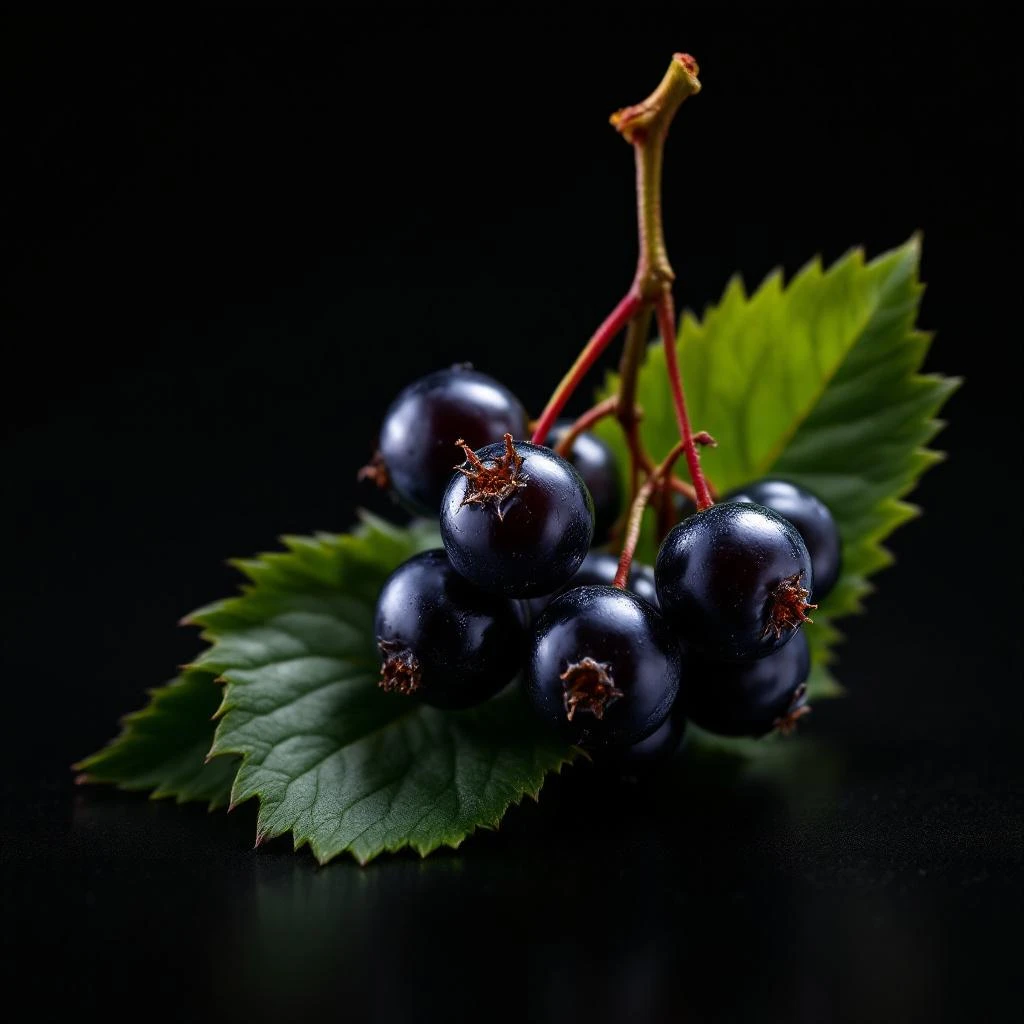
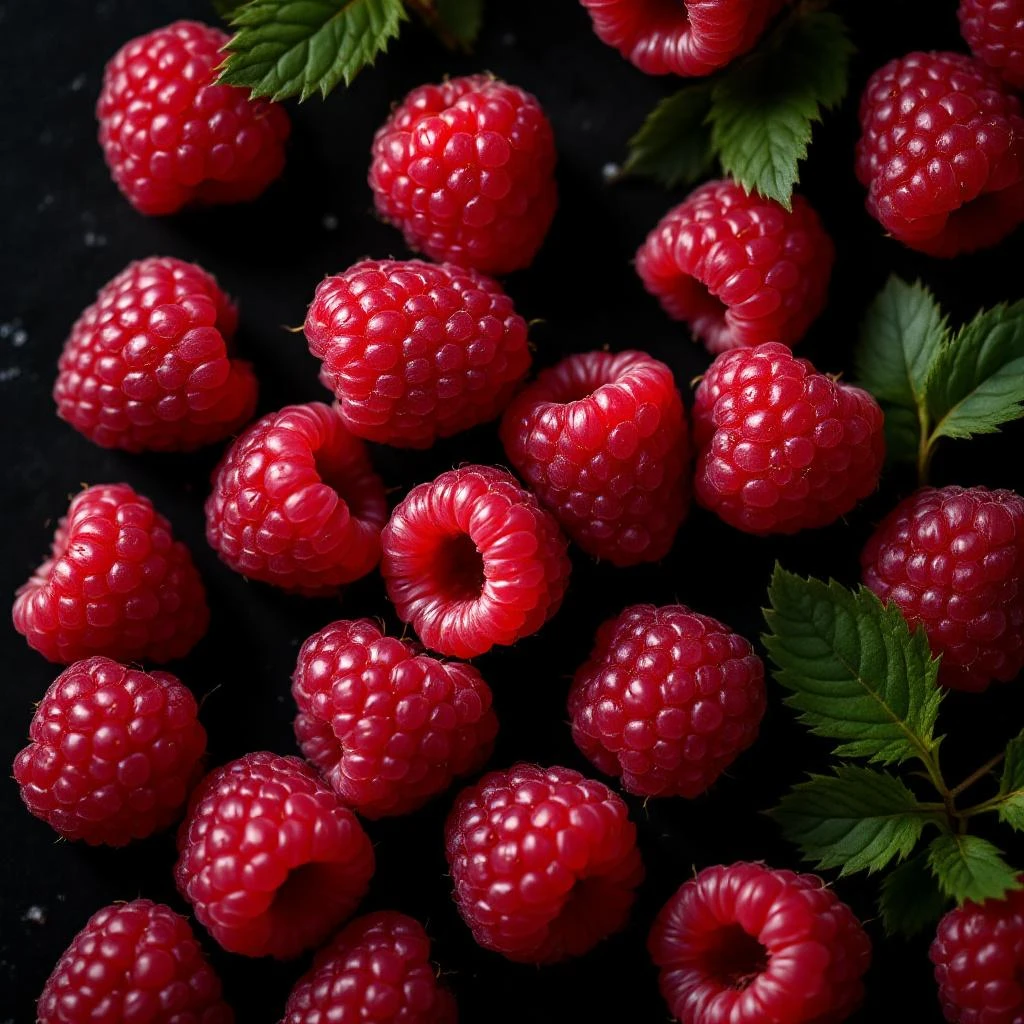
Goji berry brings a bright, tangy fruit note with subtle floral whispers, adding a fresh, slightly sweet edge to modern compositions. Its crisp acidity and natural red hue make it a versatile accent in niche blends, bridging fruit vibrancy with gentle earth tones.
Character
How it smells
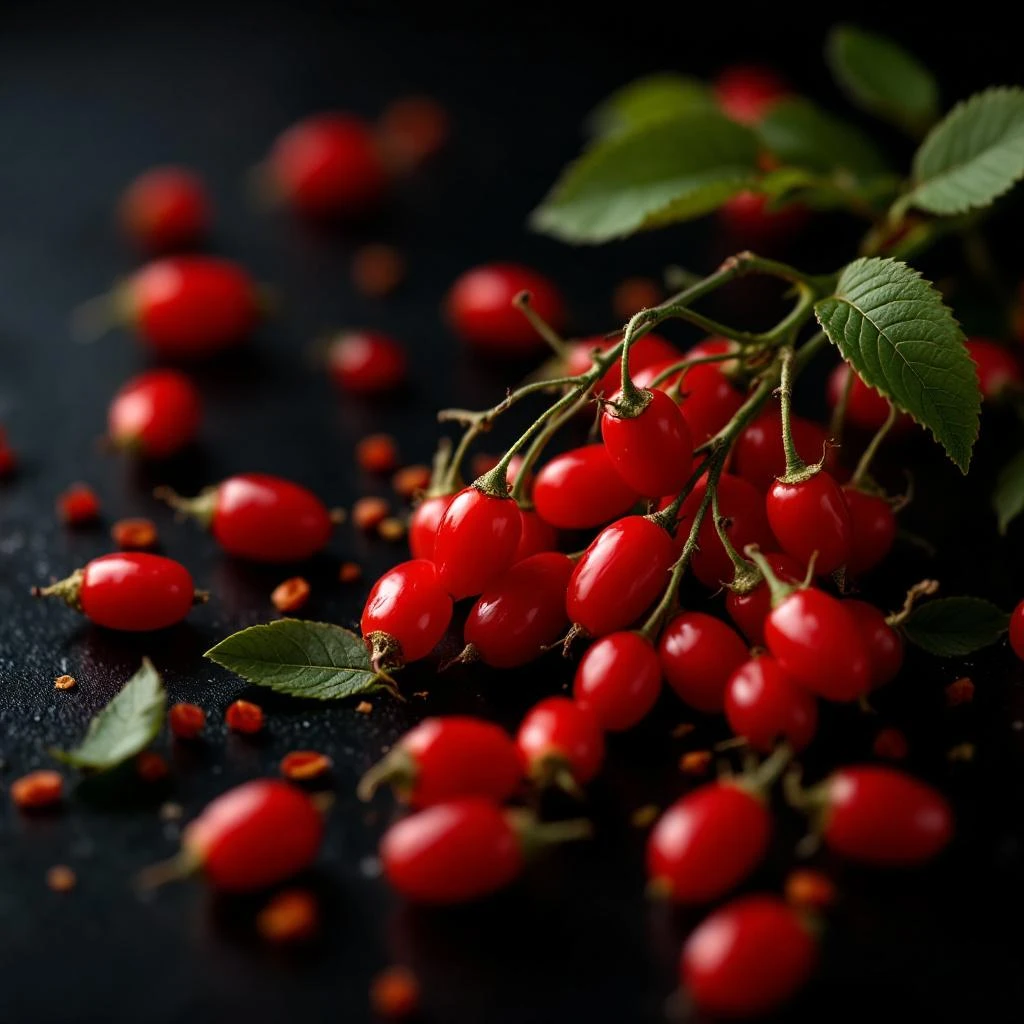
A crisp, juicy burst with a hint of wild blossom.
Goji berries contain more than 20 % of their weight in antioxidants, and the fruit’s natural red pigment, lycopene, is harvested for natural colorants in cosmetics, making the berry both a scent and a visual ingredient.








Origin
China
Goji berry, known as wolfberry in traditional Chinese medicine, has been prized for health benefits since the Han dynasty. Early traders carried dried berries along the Silk Road, where they entered apothecary cabinets as tonic ingredients.
In the early 20th century, perfumers began experimenting with fruit extracts, but goji’s low oil yield limited natural use. The 1970s saw chemists synthesize a goji‑like accord, allowing the note to appear in avant‑garde fragrances as a fantasy element.
By the 1990s, niche houses embraced the synthetic version for its bright acidity, while a few artisanal labs sourced authentic absolute from Chinese farms to add genuine depth. Today, goji berry sits at the crossroads of heritage and innovation, offering a link between ancient herbal traditions and contemporary scent design.
Wears it best
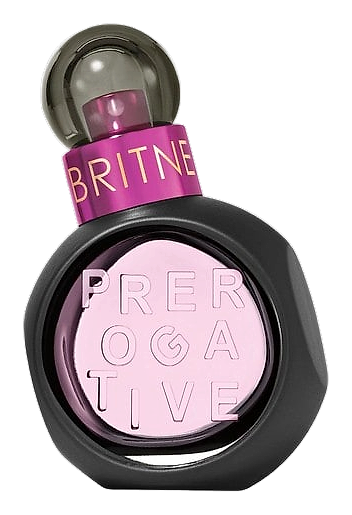
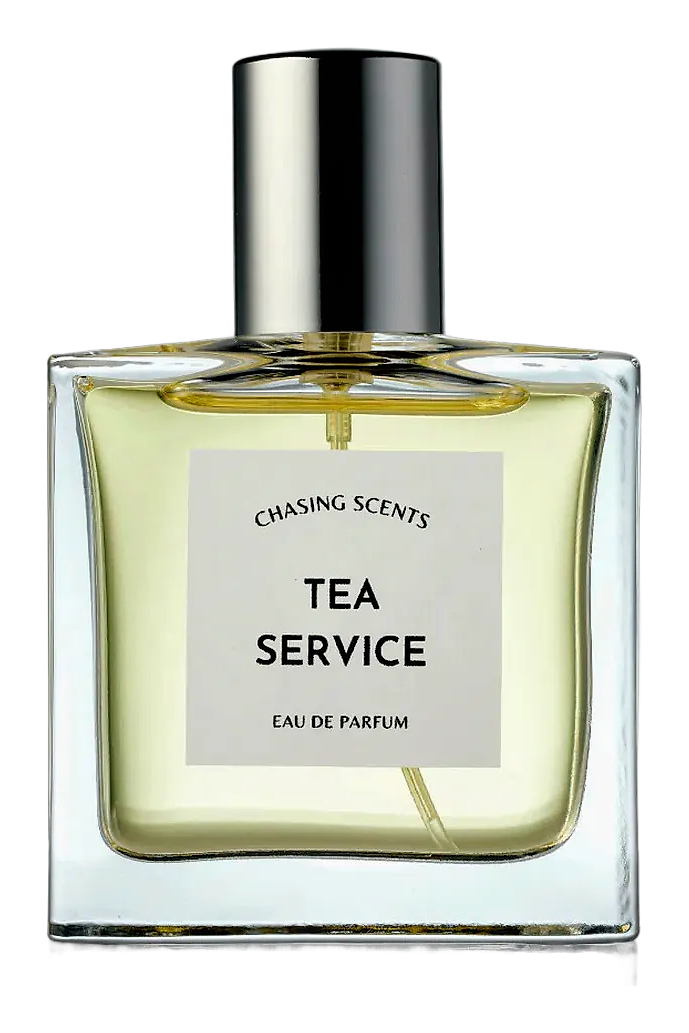
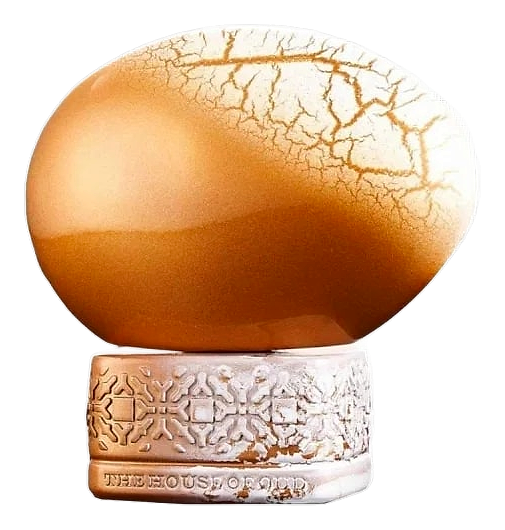
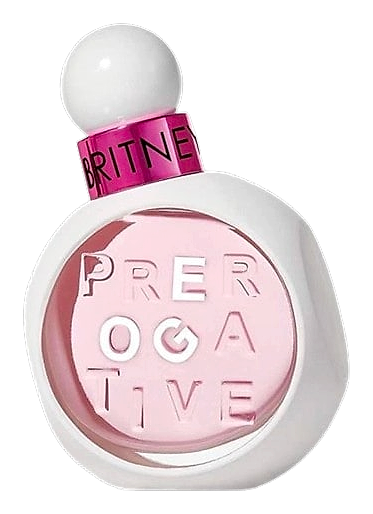
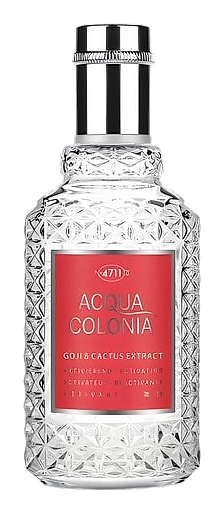
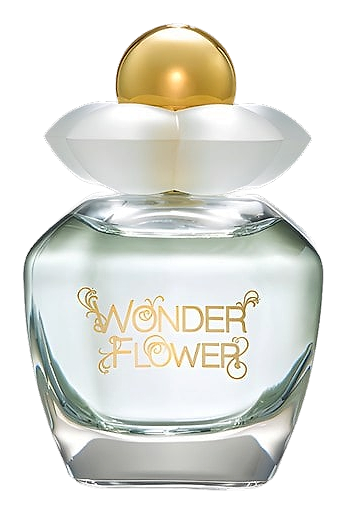
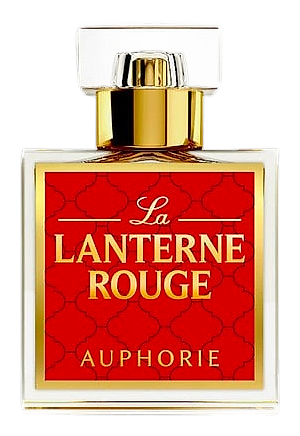
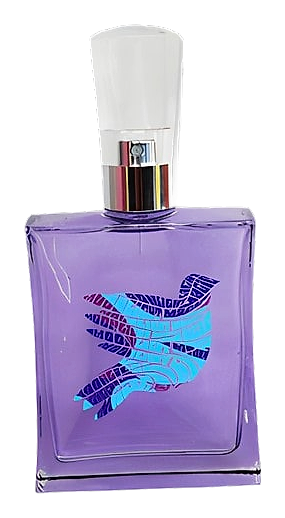
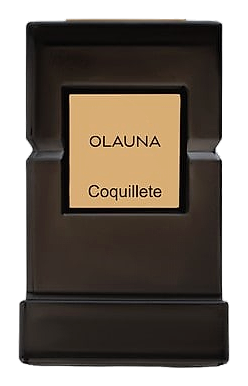
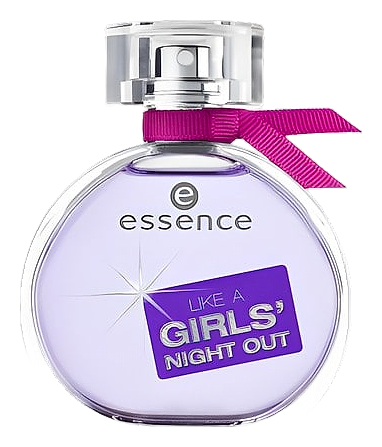
Fragrances featuring Goji berry


Brands
Brands known for Goji berry
Good to know
Questions, answered
The essentials on Goji berry in perfumery: how it smells, where it comes from, and how it behaves on skin.
What scent characteristics does goji berry contribute to a perfume?
Goji berry adds a bright, tangy fruit aroma with a faint floral nuance. A 2021 sensory panel rated its freshness at 8.3 on a 10‑point scale. The note often sits between citrus and berry accords, providing a bridge that lifts the composition without overwhelming it.
Is goji berry used as a natural extract or primarily as a synthetic accord?
Perfume houses mainly use a synthetic recreation of goji berry because natural extraction yields low oil. In 2020, only 2 % of global goji‑derived material entered fragrance labs, according to the International Fragrance Association. Natural absolute appears in niche lines that seek authentic fruit depth, but its rarity keeps it a specialty ingredient.
How stable is goji berry absolute in typical perfume bases?
Goji berry absolute remains stable for up to 18 months in ethanol‑based perfumes when stored away from light. A 2019 stability test recorded less than 5 % oxidation after 540 days at 25 °C. Higher temperatures accelerate degradation, so formulators often cap usage at 2 %.
Are there any skin safety concerns with goji berry extracts?
Goji berry extracts are classified as low‑risk for skin irritation. A 2022 dermatological panel found a 0.3 % incidence of mild redness in a 48‑hour patch test on 200 volunteers. Nevertheless, formulators keep concentrations below 5 % in leave‑on products to maintain safety margins.
Which region yields the most aromatic goji berries for perfumery?
The Ningxia region of China produces the most aromatic goji berries used in fragrance extraction. A 2021 GC‑MS analysis showed a 12 % higher concentration of volatile esters in Ningxia fruit compared with Mongolian samples. Harvesting at peak ripeness further enhances the scent profile.
How does goji berry compare to other red fruit notes like raspberry?
Goji berry offers a tangier, less sweet profile than raspberry, with a subtle floral edge. Sensory panels in 2020 rated its acidity at 7.1 versus raspberry’s 5.4 on a 10‑point scale. Its natural pigment also adds visual depth, a trait raspberry lacks.
Can goji berry be paired effectively with woody accords?
Goji berry blends smoothly with cedar and sandalwood, creating a fresh‑fruit overlay on warm wood. A 2018 formulation trial reported a 23 % increase in perceived brightness when 1.5 % goji absolute was added to a cedar base. Balancing the ratio prevents the fruit from masking the wood’s depth.
What environmental impact does the extraction of goji berry absolute have?
Solvent extraction of goji berries consumes moderate energy and generates low waste when using ethanol recovery systems. A 2022 life‑cycle assessment measured a carbon footprint of 1.8 kg CO₂ per kilogram of absolute. Sourcing from organic farms reduces pesticide runoff, supporting sustainable practices.