Oolong Tea
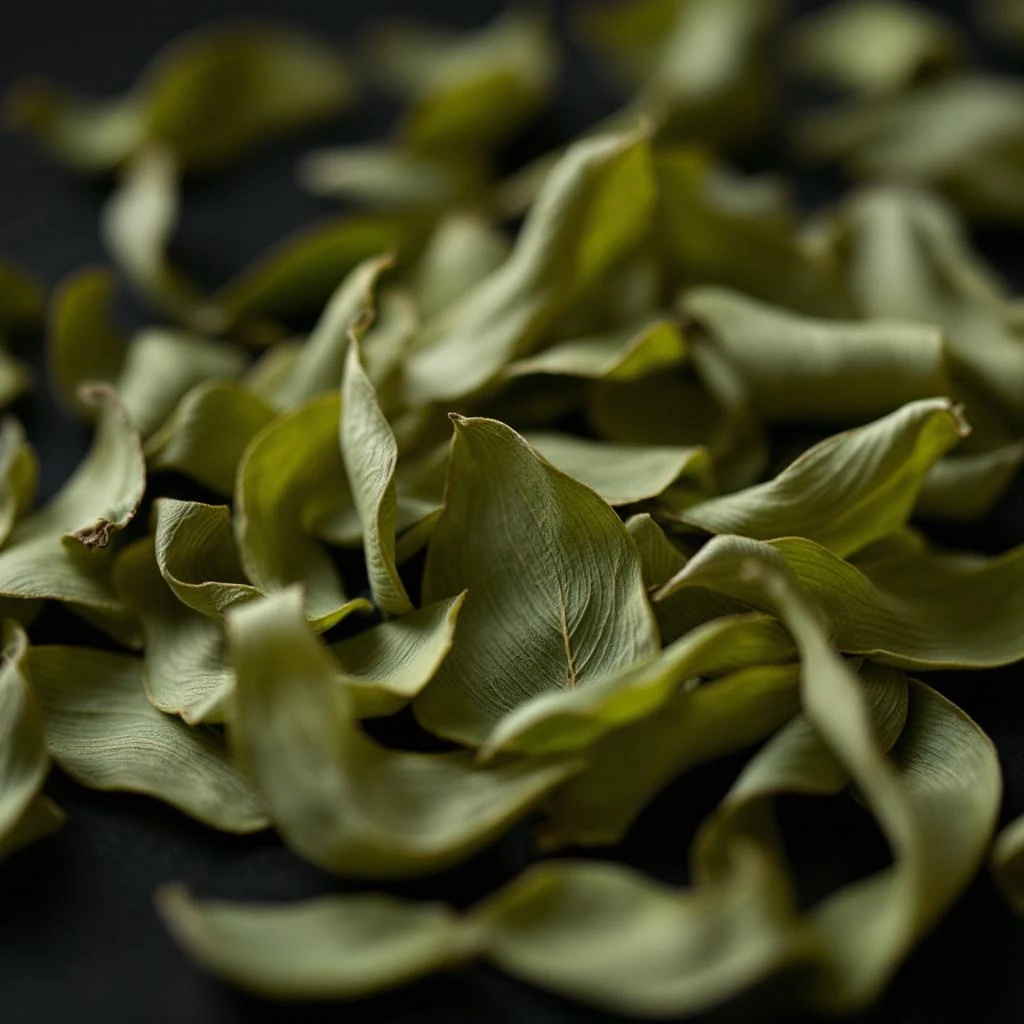
Oolong tea brings a complex, semi-oxidized character to fragrance. Its leaves undergo partial oxidation, creating a scent profile that sits between crisp green tea and dark, smoky black tea, with floral, earthy, and subtly sweet nuances that feel both sophisticated and approachable.
Character
How it smells
The tea that bridges green and black, between lightness and depth.
Master tea handlers in Fujian can identify specific mountain slopes by smell alone, making oolong one of the most terroir-driven ingredients in perfumery.







Origin
China
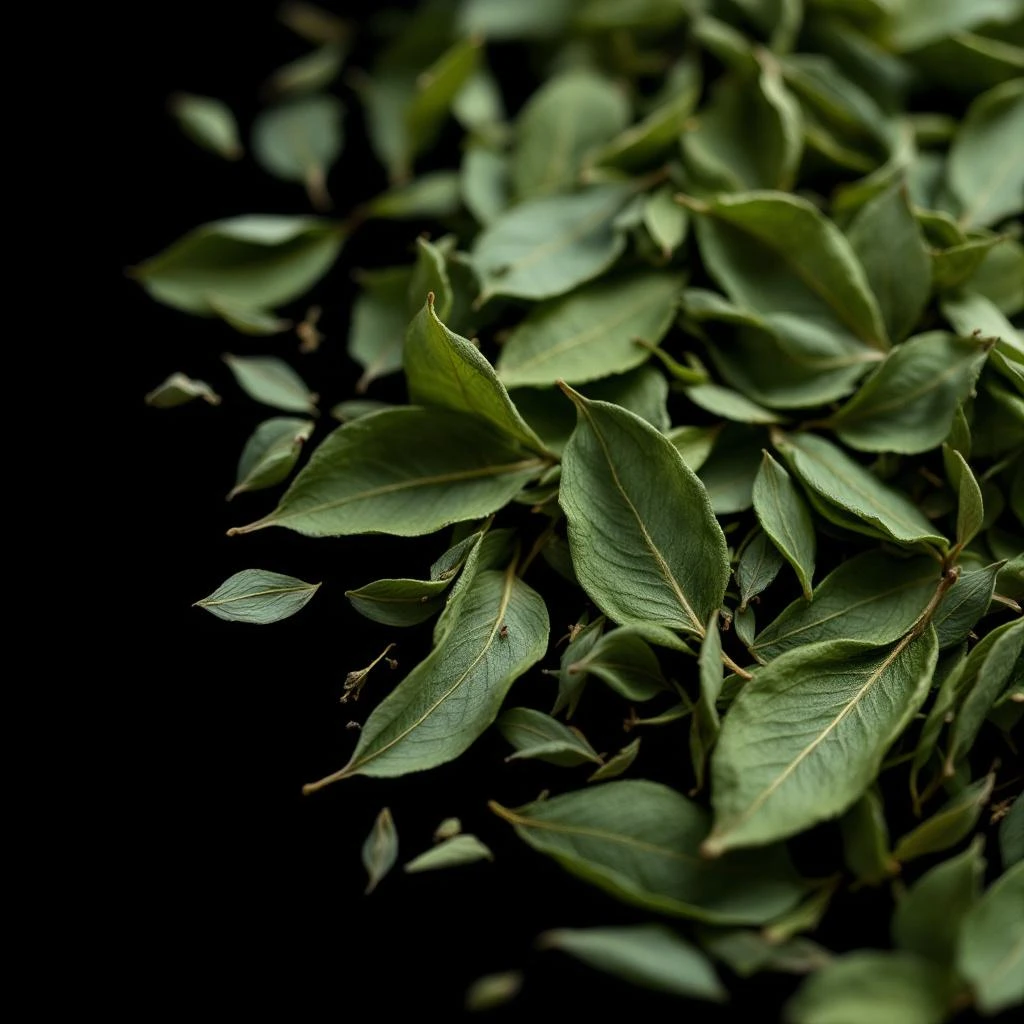
Tea cultivation in China dates back over 4,000 years, with Camellia sinensis documented in ancient texts as both beverage and medicinal preparation. Oolong as a distinct category emerged in the Wuyi Mountains of Fujian Province during the Ming or early Qing Dynasty, with folklore attributing its discovery to a tea farmer named Wu Liang who left his harvest to oxidize while chasing deer. Song Dynasty perfumers, working centuries before modern chromatography existed, already incorporated tea extracts into their formulations, establishing a continuous thread between ancient Chinese olfactory culture and contemporary perfumery.
Fujian remains the primary origin of premium oolong teas, particularly high-mountain varieties from Wuyi and Anxi. Taiwan developed its own oolong tradition following migration from mainland China in the 18th century, producing distinctive cultivars like Dong Ding and High Mountain Oolong that have become prized in both tea culture and niche perfumery.
Wears it best
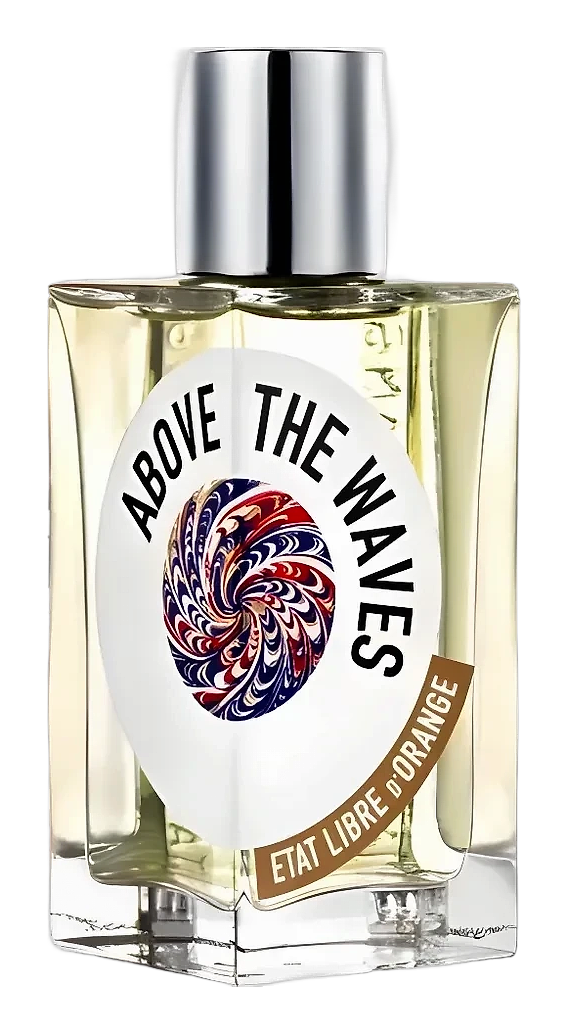
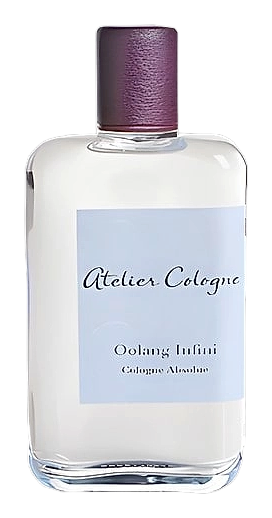
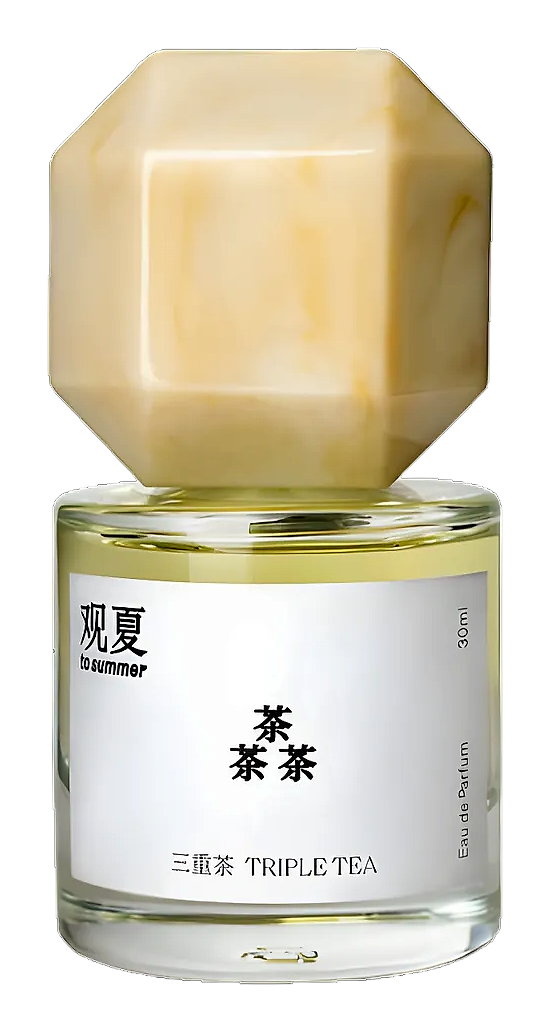
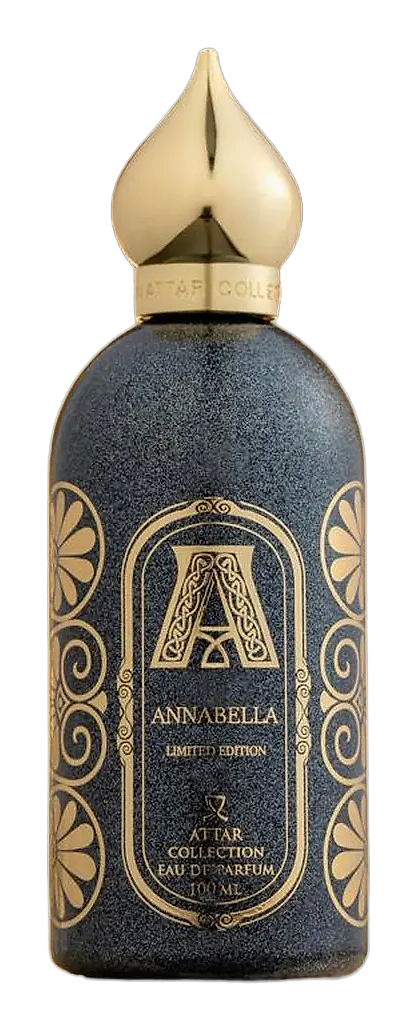
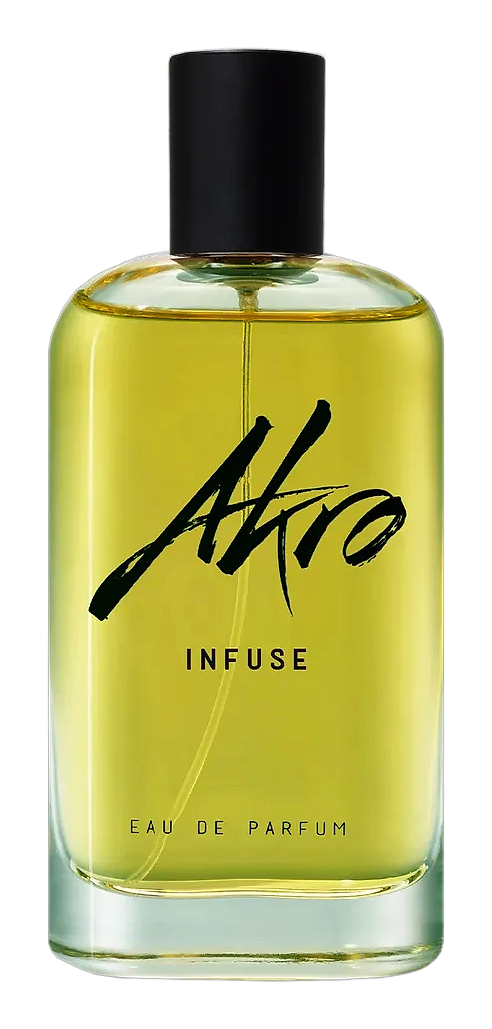
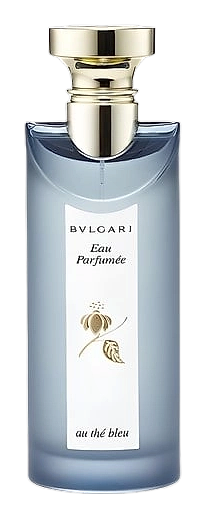
Fragrances featuring Oolong Tea
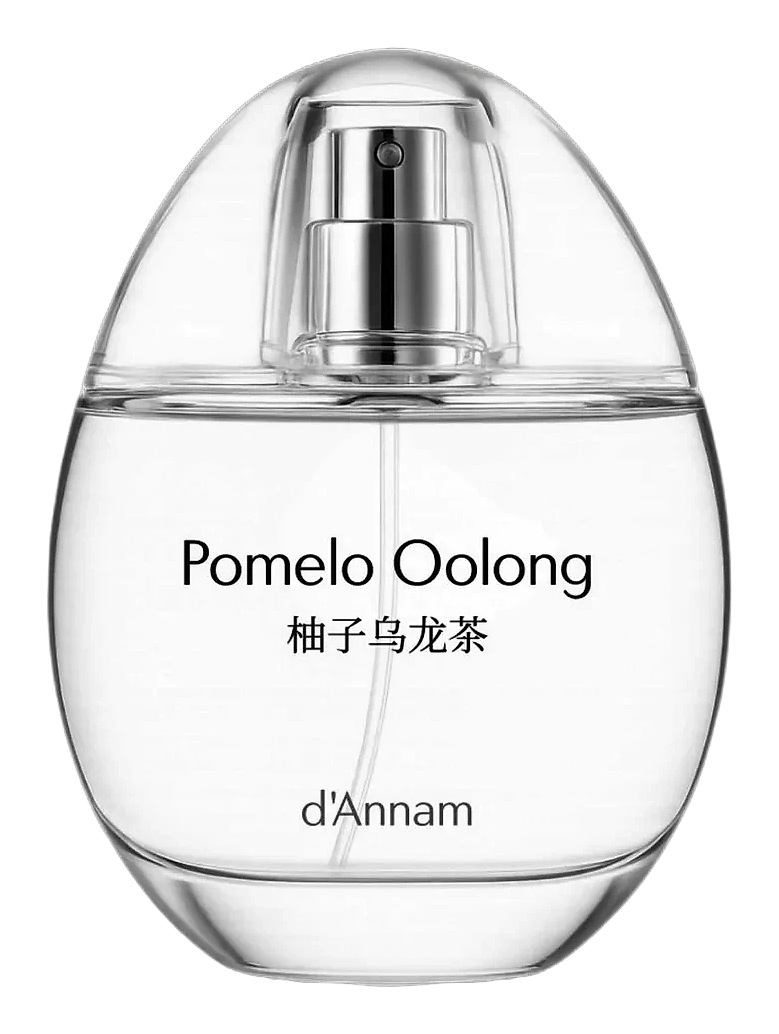
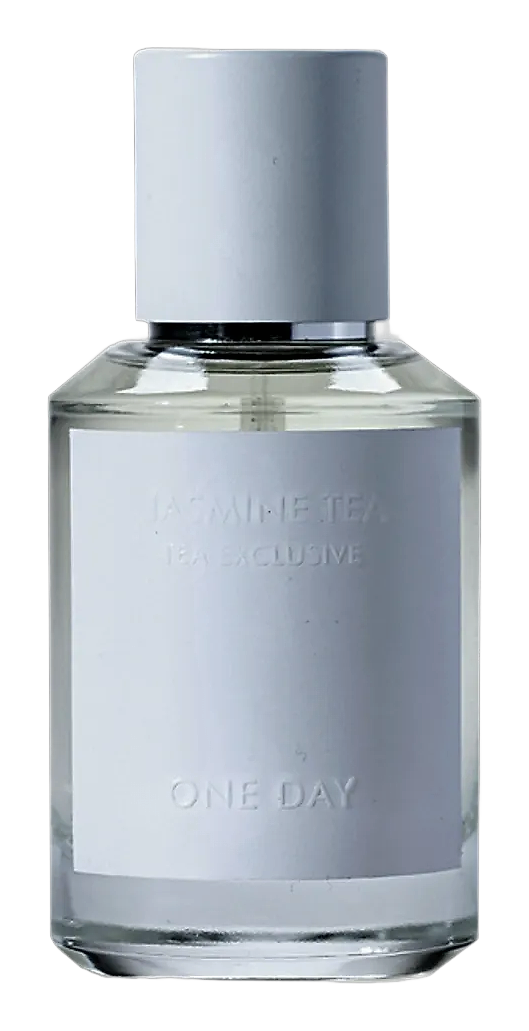
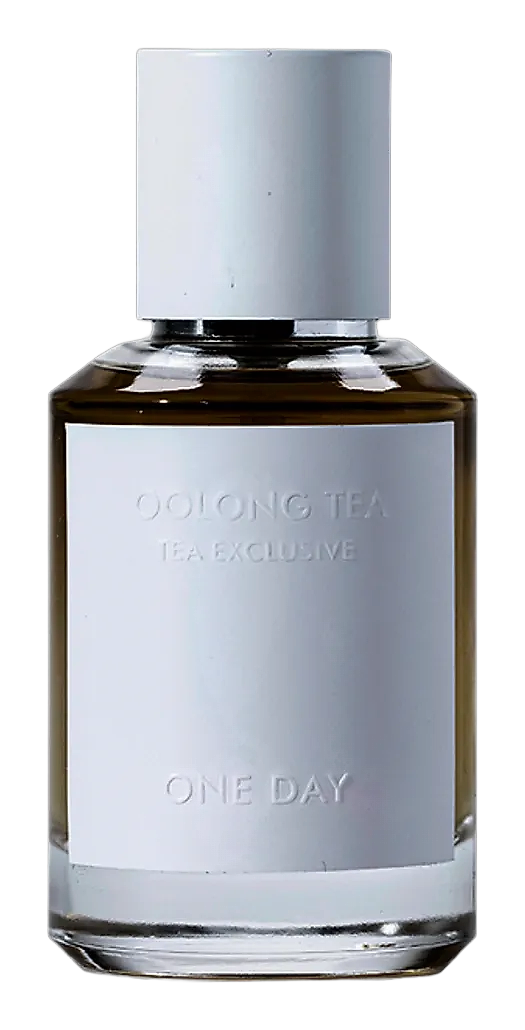
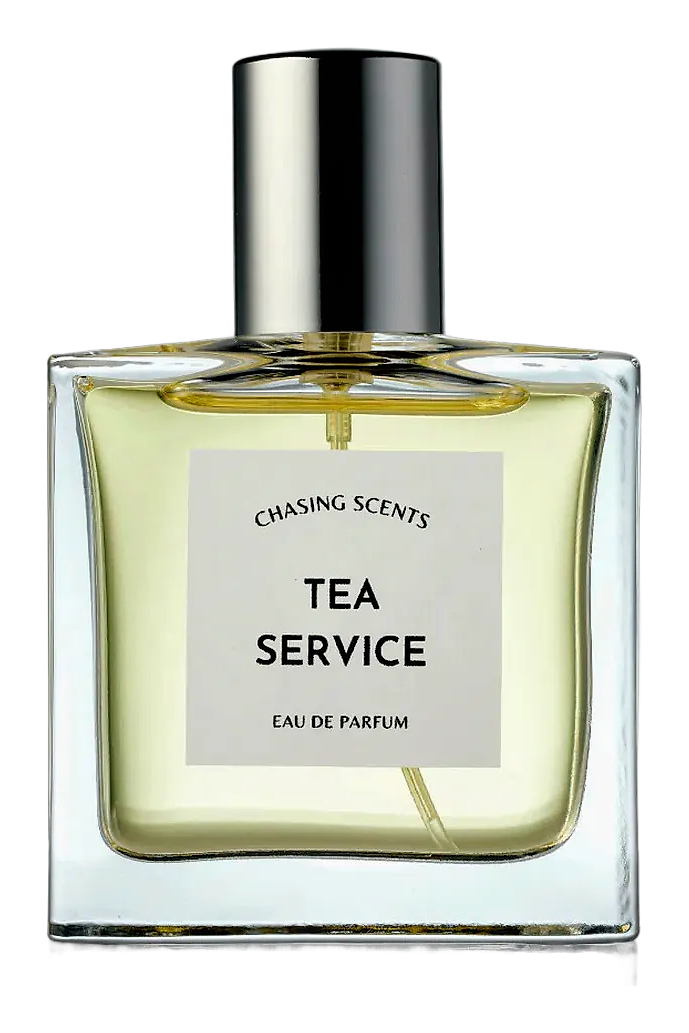

Brands
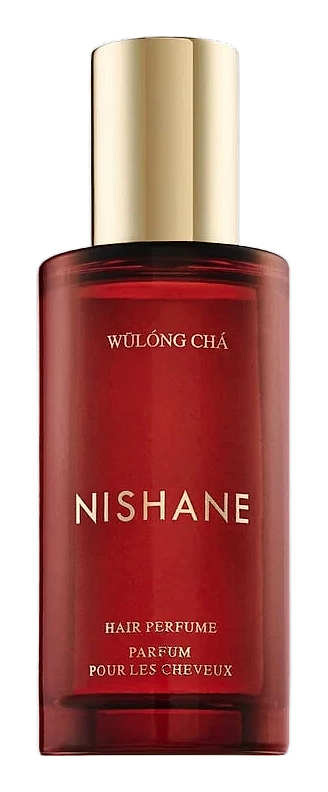
Brands known for Oolong Tea
Good to know
Questions, answered
The essentials on Oolong Tea in perfumery: how it smells, where it comes from, and how it behaves on skin.
What does oolong tea smell like in perfume?
Oolong tea in perfume presents a nuanced, semi-oxidized aroma combining floral notes like orchid or osmanthus with earthy, roasted undertones and a gentle sweetness. It occupies a sensory middle ground between crisp green tea and dark black tea, adding sophisticated complexity without heaviness.
Is oolong tea extract natural or synthetic?
Oolong tea extract for perfumery is typically natural, produced via solvent extraction or steam distillation of roasted Camellia sinensis leaves. It remains a specialty ingredient not widely traded, with limited availability compared to more common tea derivatives like green tea accord.
What fragrance families pair well with oolong tea?
Oolong tea integrates well across multiple fragrance families, particularly in fresh oriental compositions, modern chypres, and green fragrance structures. It complements citrus, white flowers, transparent musks, and light woods while adding an unexpected aromatic complexity that resists easy categorization.
Which countries produce oolong tea for perfumery?
China produces the majority of oolong tea used in perfumery, with Fujian Province supplying high-mountain varieties from Wuyi and Anxi. Taiwan contributes distinct cultivars with unique aromatic profiles. The specific terroir and oxidation techniques of each region create detectable differences in the final extract.
How long has tea been used in perfumery?
Tea has appeared in perfumery since at least the Song Dynasty in China, predating modern analytical chemistry by centuries. Early perfumers developed extraction methods for tea essence long before synthetic fragrance ingredients existed, establishing a millennia-long tradition that continues in contemporary niche perfumery.
What makes oolong tea different from other tea notes in fragrance?
Full oxidation gives black tea rich, malty depth, while no oxidation produces green tea's grassy freshness. Oolong's partial oxidation, ranging from 15% to 85%, creates a wider aromatic spectrum. This flexibility allows perfumers to select oolong variants that align with specific fragrance intentions, from delicate florality to deeper, roasted complexity.
Does oolong tea have aromatic differences by harvest season?
Seasonal harvest timing significantly influences oolong's aromatic profile. Spring-harvested oolongs typically express brighter floral notes and greater delicacy, while autumn harvests tend toward deeper sweetness and more pronounced body. Perfumery-grade oolong extracts often specify harvest season to ensure consistent aromatic characteristics.
Is oolong tea extract used in high-end or niche perfumery?
Oolong tea appears primarily in niche and artisanal fragrances rather than mass-market products, largely due to its specialty extraction requirements and limited commercial availability. Its complex, multifaceted character appeals to perfumers creating sophisticated, layered compositions where the tea note serves as a nuanced foundation rather than a straightforward top note.





