The Story
Why it exists.
The beginning
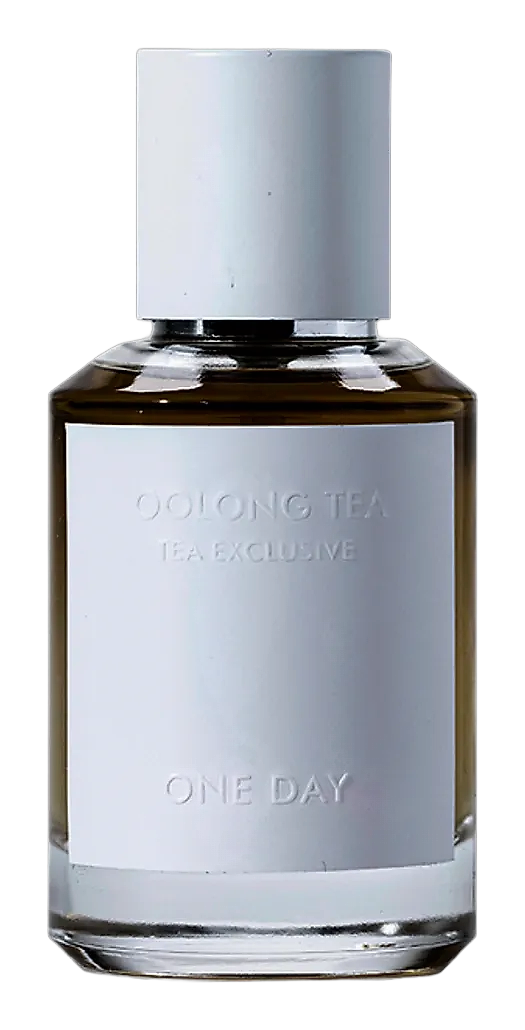
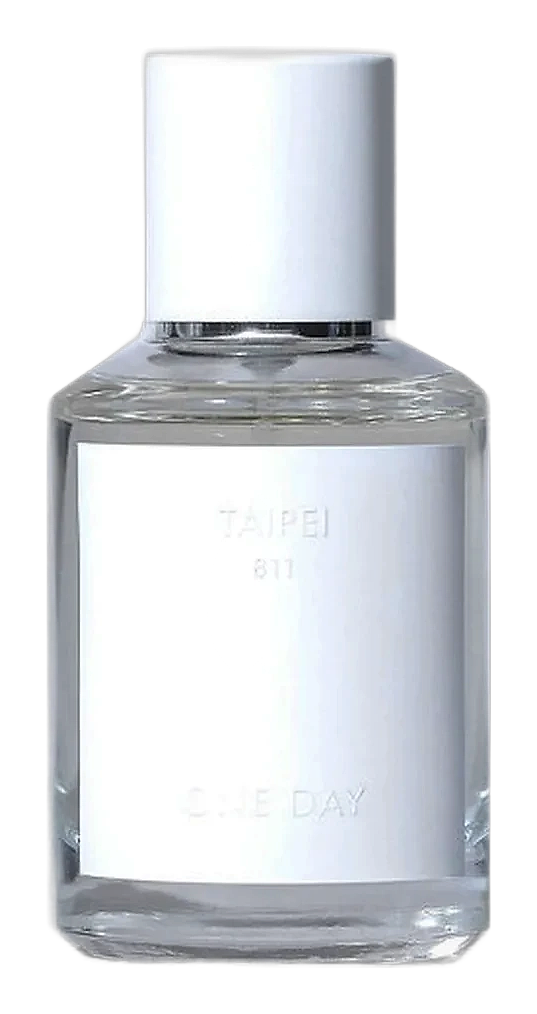
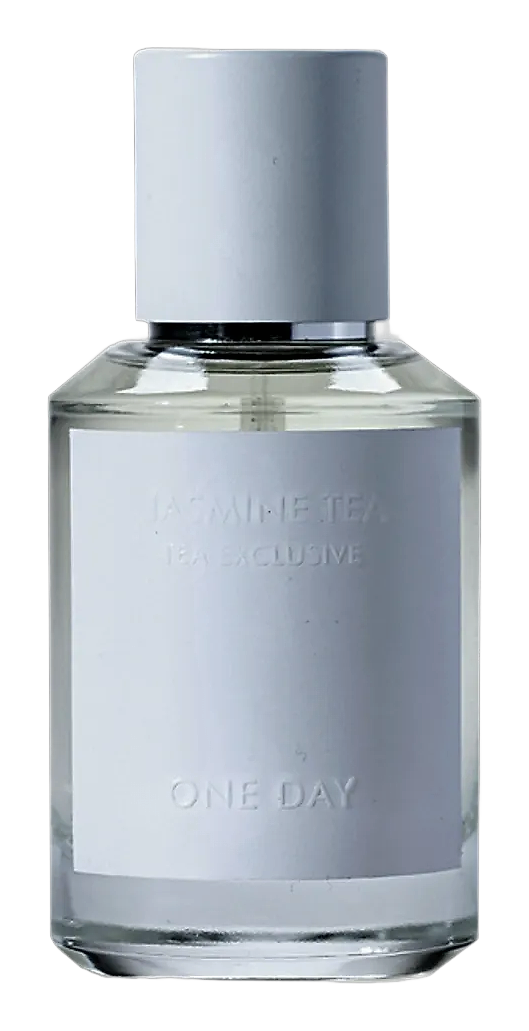
Michael Wong founded One Day in 2017 with a focus on materials that appear repeatedly across the house's collection. Jasmine and oolong show up again and again, not as decorative elements but as foundational materials that define the brand's olfactory language. Jasmine Tea fits within this broader context, but it doesn't approach jasmine in the conventional way. Instead of building around jasmine as a perfume accord, Wong constructed the fragrance around jasmine as a material, the way it actually behaves when combined with tea leaves through an extended steeping process. This is a perfumery that treats ingredients as they exist in life rather than as they exist in separation, which explains why the combination feels coherent rather than constructed.
The philosophy behind Jasmine Tea treats jasmine not as a decorative floral but as an actual material, one that behaves differently depending on what it interacts with. When combined with clary sage in the opening, jasmine becomes sharper, more herb-adjacent than purely sweet. When merged with oolong in the heart, it becomes softer, integrated into the steam rather than floating above it. This approach reflects a broader commitment within the house to using materials in relationship rather than in isolation.
The evolution
The fragrance begins with jasmine's white floral intensity, quickly tempered by clary sage's herbaceous presence. This opening sets up the core tension of the scent: brightness against groundedness, floral against savory. As oolong tea enters the heart, the composition shifts from floral to contemplative. The oxidized quality of oolong introduces a slight bitterness, a tannic roughness that keeps the fragrance from becoming soft or overly pleasant. The tea accord amplifies this, creating a mid-section that feels like standing in a quiet room where someone has just finished preparing a pot of leaves. Vetiver arrives in the drydown with its earthy, smoky character, providing the anchor that the rest of the composition has been building toward. Musks finish the progression, offering a clean skin presence that keeps the ending intimate rather than dramatic. The entire arc moves from natural brightness through thoughtful mid-section to grounded conclusion, each phase named explicitly by the notes that define it.
Cultural impact
Jasmine Tea occupies a particular position among tea fragrances. Where other versions of this concept lean into freshness or sweetness, this interpretation is greener and more bitter, more direct. The result is a fragrance that feels honest rather than ornamental. Wearers describe it as meditative, as capturing a specific moment rather than a general mood. For those who have found green tea fragrances predictable, this one offers something different, a different way of working with these materials that feels less familiar and more considered.