Michael Wong
Michael Wong discovered his calling in an unexpected place: during a trip to Taiwan, where an encounter with his first bottle of perfume ignited a lifelong fascination with scent. That singular moment, a brush with fragrance at a remove from the expected pathways into perfumery, set him on a course toward creation rather than mere appreciation. Wong approaches fragrance with the eye of an architect and the intuition of someone who trusts smell as a form of truth-telling. His work remains emerging, but the trajectory is clear. In 2025, he earned recognition at the Institute for Art and Olfaction Awards for Twin Peaks, created for independent house Epichron, marking his arrival on the niche fragrance scene with a statement piece rather than a tentative first effort. Wong builds for the wearer who wants something with an opinion.
The hits
Notable creations
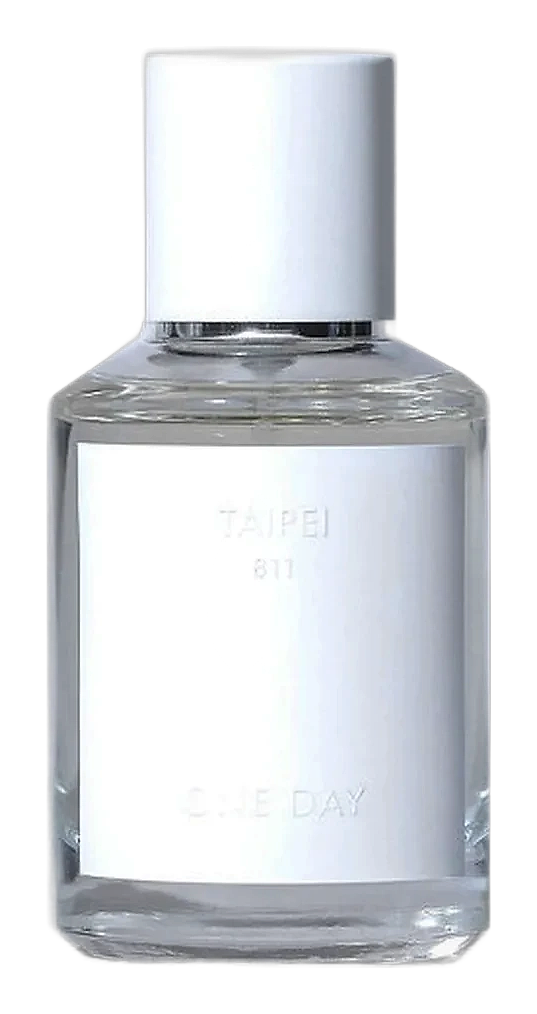
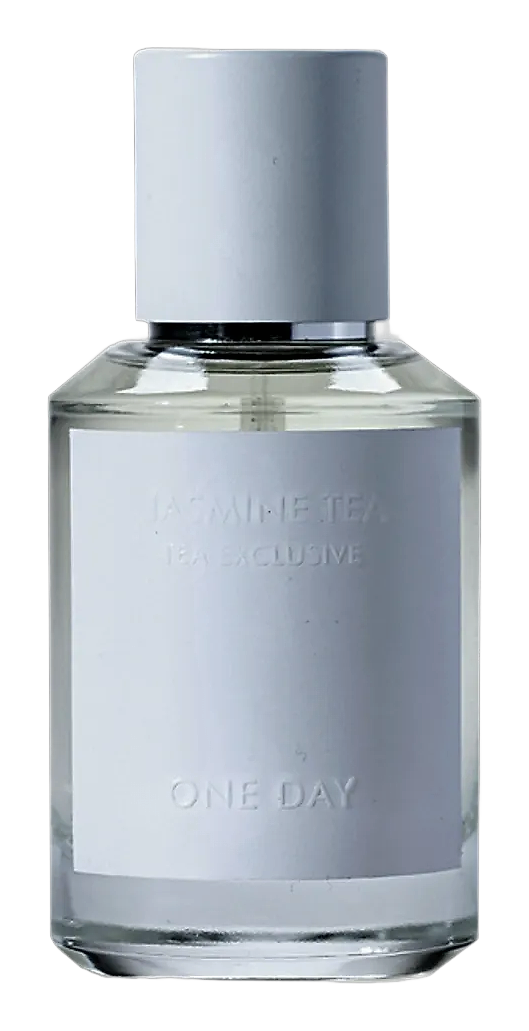
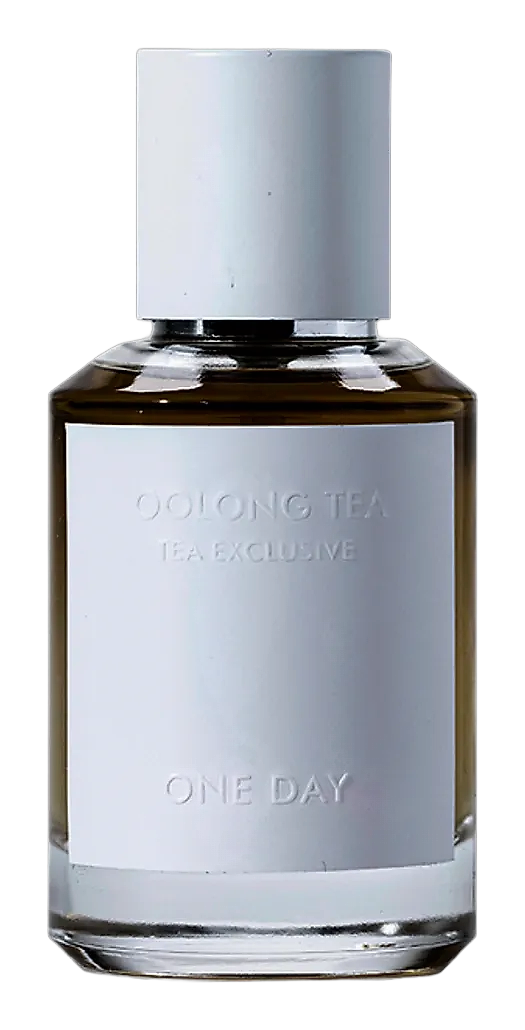
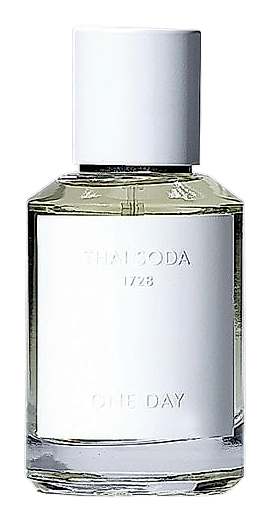
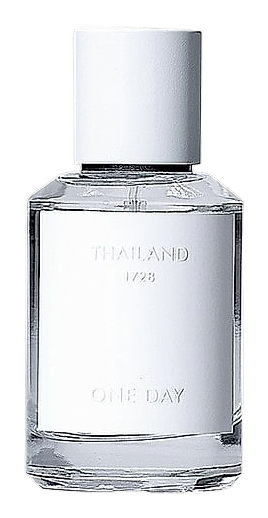
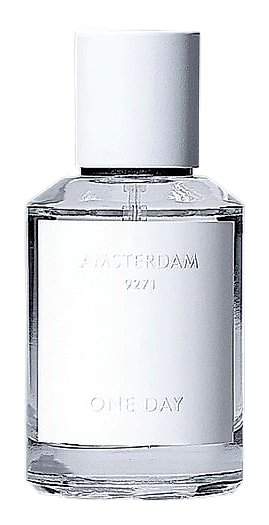
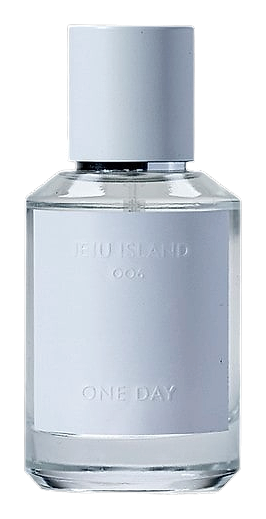
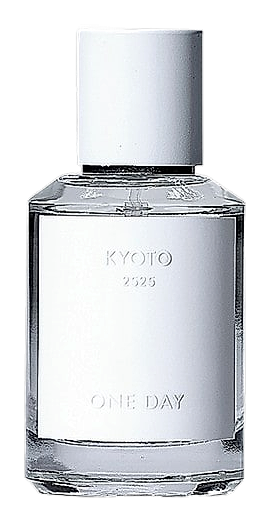
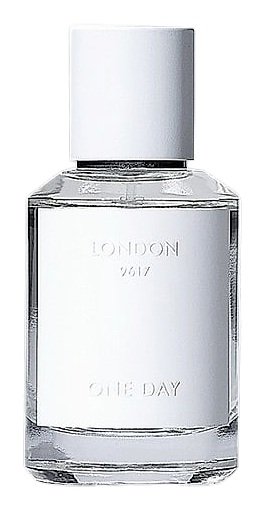
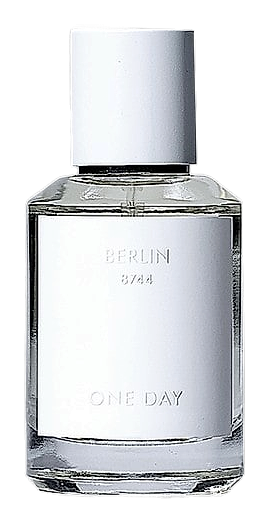
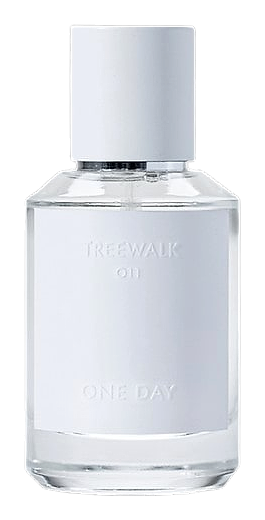
The signature
How Michael composes
Wong gravitates toward bold, unconventional constructions that challenge conventional aesthetic expectations. His compositions show a clear appetite for contrast: clean against dense, familiar against foreign, structured against fleeting. He appears drawn to materials that carry narrative connotations, selecting ingredients for their associative power as much as their olfactory contribution. The Twin Peaks release offered a glimpse into an aesthetic that favors tension over resolution, where each note seems to pull slightly against the others before settling into something cohesive. His signature remains in formation, but the early evidence suggests a preference for fragrance as confrontation rather than comfort.
Philosophy
What drives Michael
Wong operates on the conviction that fragrance should surprise, that scent carries narrative weight beyond mere pleasantry. He gravitates toward unexpected combinations, assembling accords that resist easy categorization. For him, the art lies in finding the thread that connects disparate materials, in making the unfamiliar land as inevitable. His creative process seems driven by a desire to translate sensation into story, to bottle moments of recognition that arrive only once before dissolving. He doesn't chase consensus. He asks what a fragrance wants to become, then gets out of its way.
The houses