
The Story
Why it exists.
The beginning
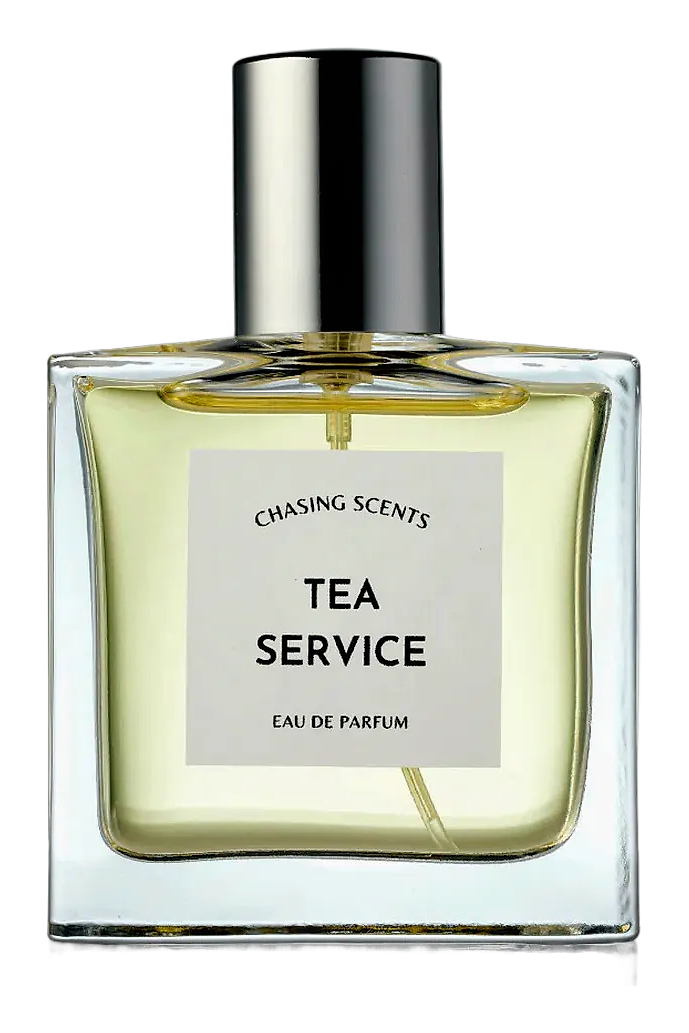
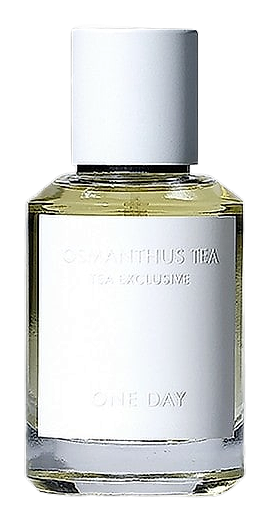
Osmanthus Tea channels the poetic imagery of silver branches heavy with yellow flowers becoming the centerpiece of a quiet ritual, with 'pouring tea over the emerging breeze.' The composition opens with osmanthus absolute, which carries the distinctive fruity sweetness of the flower, think apricot jam meeting a suede-like texture that feels both floral and grounded. Jasmine deepens the floral heart, adding creaminess and a touch of the heady without overwhelming. Tea serves as the bridge between them, providing green, slightly astringent balance that keeps the fragrance from becoming too sweet or heavy. Vetiver grounds everything in earth and wood, keeping the scent close to the body like the lingering aroma of a shared pot, intimate and warm.
Osmanthus is uncommon in Western perfumery, which makes this composition unusual. The absolute carries a distinctive apricot-jam quality alongside a suede-like texture, not quite floral, not quite fruity, something in between that reads as both warm and slightly woody. Most fragrances avoid this complexity, preferring to stay safely within recognizable boundaries. Jasmine amplifies the white floral dimension, adding creaminess and a touch of the heady that deepens the heart of the fragrance.
The evolution
The opening announces itself with osmanthus and jasmine together, fruity sweetness, almost apricot, with a suede-soft texture that feels both floral and grounded. No sharp edges. The jasmine adds warmth and depth without overwhelming. The composition gradually shifts from floral-fruity to something greener, more astringent, that characteristic tea quality that feels both calming and alive. The drydown belongs to the vetiver. Earthy, slightly smoky, woody in the way that close-bearing fragrances often are. The sillage stays moderate throughout, this is not a fragrance that fills a room. The vetiver lingers closest, close enough to catch only when someone leans in, providing an intimate drydown that rewards close attention.
Cultural impact
Osmanthus brings something uncommon to Western perfumery, fruity, suede-like, almost jam-like, that distinguishes it from the usual green tea or matcha interpretations. The moderate sillage and intimate drydown suit it for close encounters rather than large spaces, which aligns with its ritualistic, contemplative character. For those seeking tea fragrances that offer more depth and complexity than typical offerings, this composition provides an alternative approach to the genre, one that favors nuance over intensity and rewards close attention.