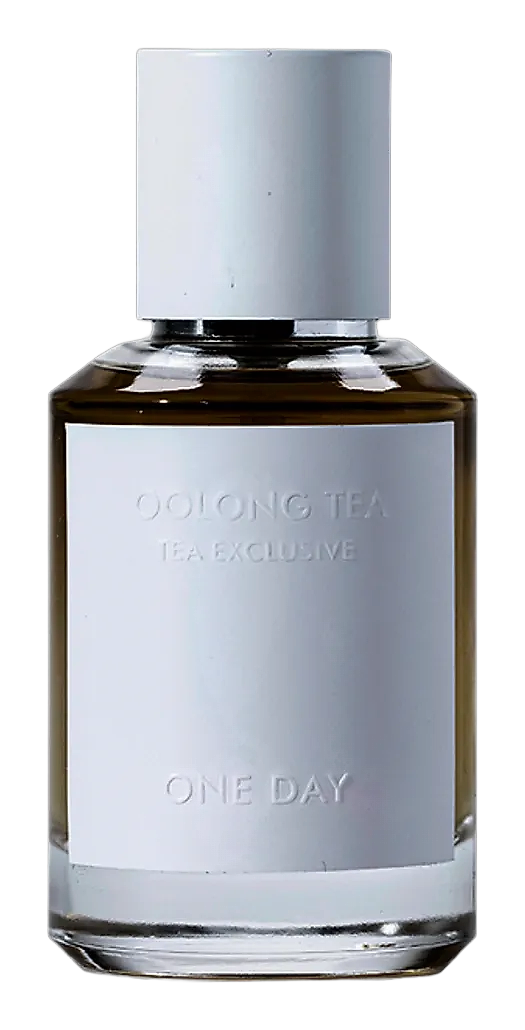
The Story
Why it exists.
The beginning
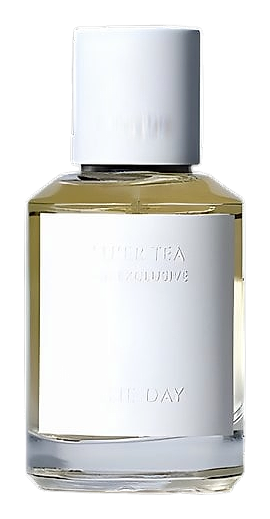
Pu'er tea transforms with time. Raw leaves are compressed, fermented, then left to age until they become something darker and more complex than they started. The fragrance captures that transformation, the deep fermented bitterness that develops through aging, the earthy complexity that no fresh tea can replicate. It doesn't try to bottle a place. It bottles a process.
What makes this composition work is the honesty of the Pu'er note. Fermented tea has a particular bitterness that tea obsessives chase, an edge that demands attention. The fragrance doesn't soften it. Instead, it surrounds the tea with cedar and cypress, lets patchouli add body, then grounds everything in vetiver and incense. The result is a fragrance that smells like the actual thing, not a memory of it. The bitter note cuts through the wood and earth, keeping the composition grounded in its tea origins even as other elements rise around it.
The evolution
The opening hits bitter first, that Pu'er sharpness that reads sharp and assertive. The fermented tea note establishes itself quickly, taking center stage before other elements begin to emerge. Within the first phase, cypress and cedar move forward, softening the edges without erasing them. The heart is where the fragrance earns its keep: woody, green, a little dusty. Patchouli shows up in the middle and adds earthiness that makes the whole thing feel lived-in. Then incense and vetiver take over. The drydown is contemplative. Smoke and vetiver, close to the skin. This is where it stays for hours, intimate, quiet, present even as it fades. The progression moves from assertive bitterness to settled woodiness, with the tea note threading through every stage rather than disappearing entirely.
Cultural impact
Pu'er tea has a devoted following, enthusiasts who obsess over fermentation times, aging conditions, and the distinctive characteristics that develop through the process. This fragrance speaks that language. It won't appeal to everyone, and that's the point. For those who understand what aged tea actually smells like, this is a rare thing: a fragrance that gets it right. The composition doesn't play it safe or try to soften its reference points. It commits fully to the tea, letting the fermented note lead rather than supporting it from a comfortable distance.