The Story
Why it exists.
The beginning
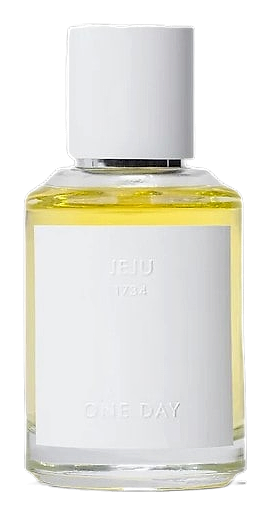
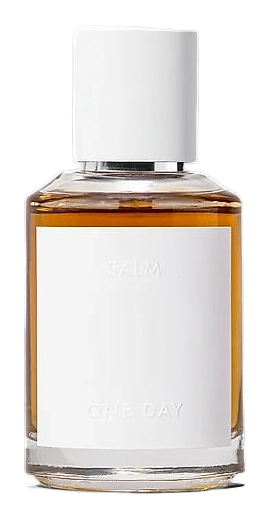
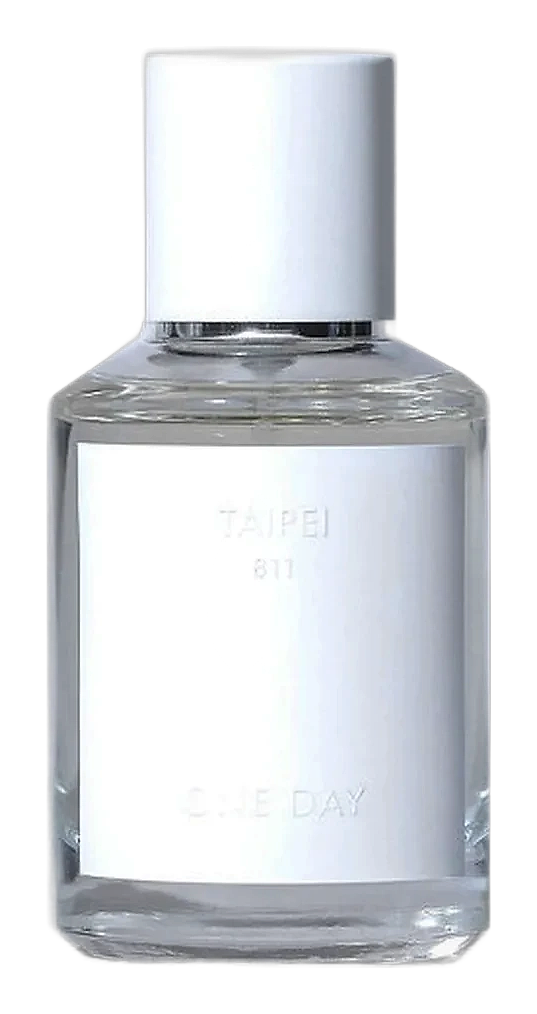
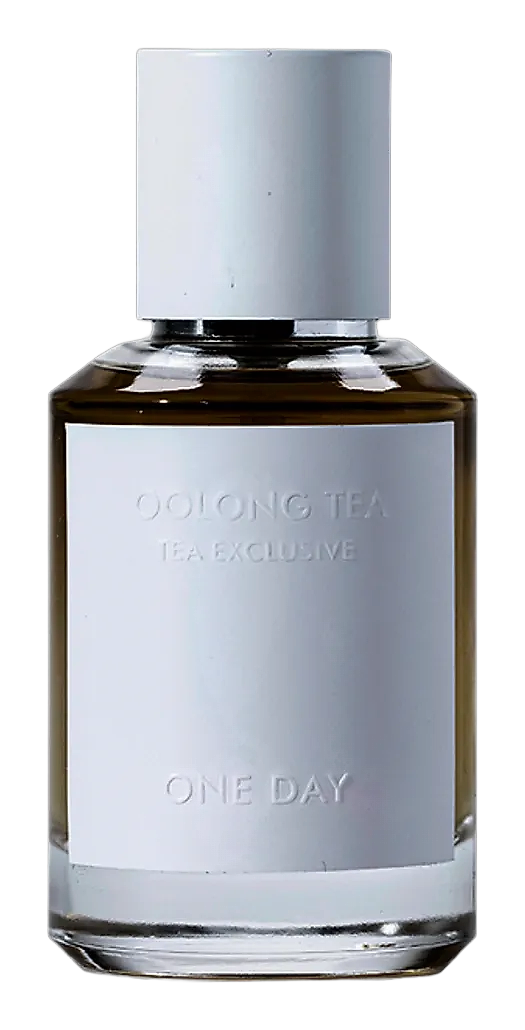
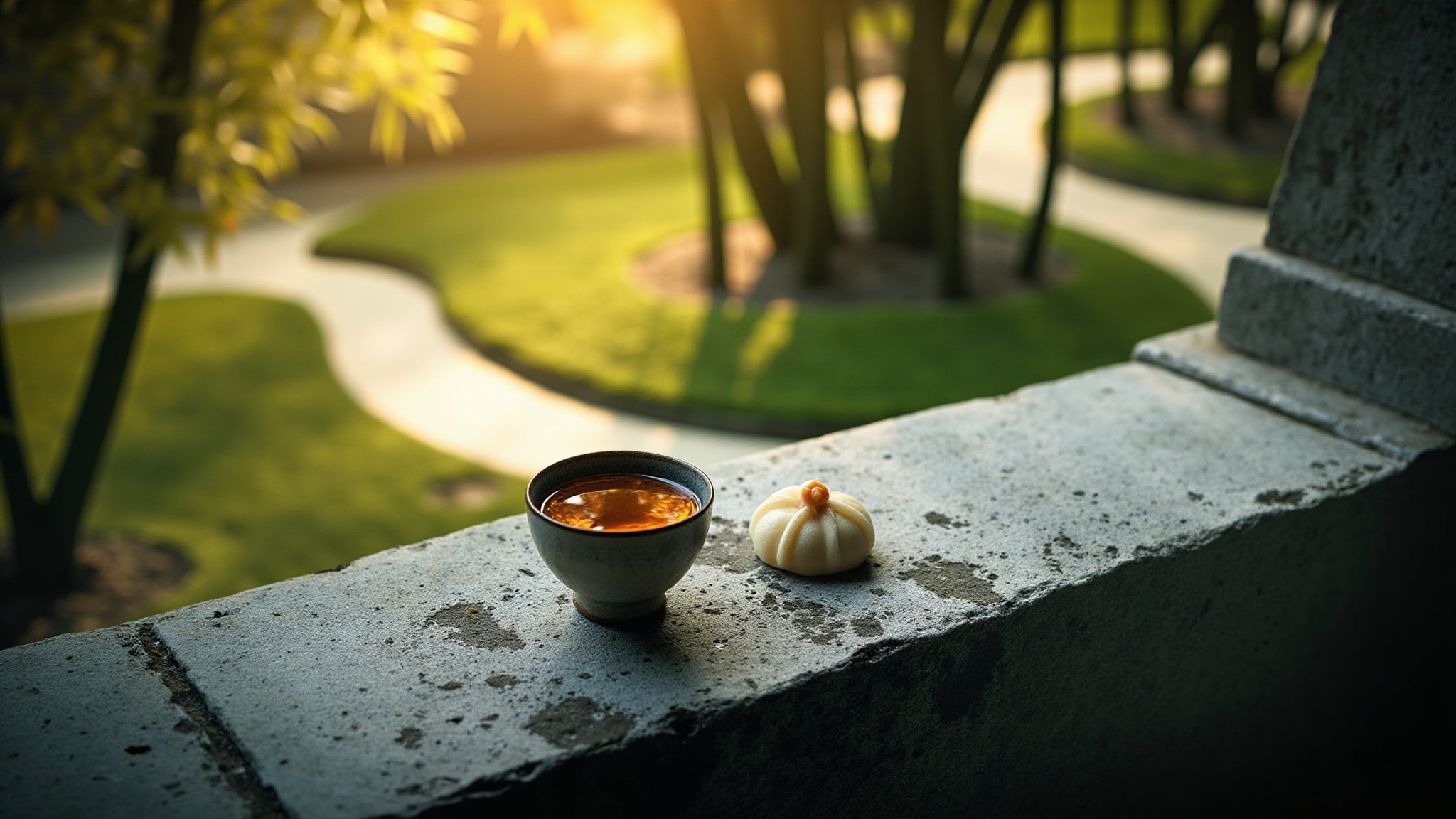
Michael Wong designed Oolong Tea as a sensory postcard from Taipei's quiet corners. The official description references a Japanese-style courtyard nestled in forest alleys, the ritual of wagashi confectionery alongside a pot of brown tea. This isn't abstract fragrance territory. The brief was specific: translate the atmosphere of a specific place, a specific moment in that place, into something wearable. Wong approached the oolong note with careful attention to how the tea's character would translate to the skin, understanding that the goal was to create something that felt rooted in experience rather than abstraction. The composition needed to respect the complexity of the ingredient, allowing the nuance of the tea to come through without being flattened into a generic impression.
The pyramid structure is unusually honest for its category. Oolong tea occupies the top position alongside bergamot and clary sage, which means it arrives immediately and stays present throughout the wear. The bitterness of oxidized oolong is harder to capture than green tea's grassy freshness or black tea's malt. It requires a specific molecular character that many perfumers sidestep entirely. By placing it at the apex and building honey and jasmine beneath it, the composition commits to that astringent, slightly smoky backbone. Tonka bean and vetiver in the base add warmth and earthiness, but they don't replace the tea. They support it.
The evolution
Bergamot opens bright and citrus-forward, bringing an immediate freshness before the oolong asserts itself. The bitter wave arrives with some force, dry and astringent, carrying the unmistakable character of oxidized leaves releasing their oils in hot water. It's an arresting opening that doesn't soften into gentler territory. The honey takes its time making itself known, arriving eventually and settling alongside the tea rather than overwhelming it, adding sweetness without erasing the underlying bitterness that defines the oolong. Jasmine waits longer still before becoming distinguishable from the honey, adding white-floral serenity that lifts the composition without disrupting its grounded quality.
Cultural impact
One Day occupies a distinct position within contemporary fragrance: urban atmospheric memory translated into wearable form. Oolong Tea represents the brand's connection to Taiwanese roots, using oolong as the named note rather than a background reference. The composition has earned recognition for its realism, with wearers describing it as the most accurate tea scent they have encountered. Tea-forward fragrances occupy a specific space in the market, offering something different from the more common floral and oriental compositions that dominate the field.