The Story
Why it exists.
The beginning
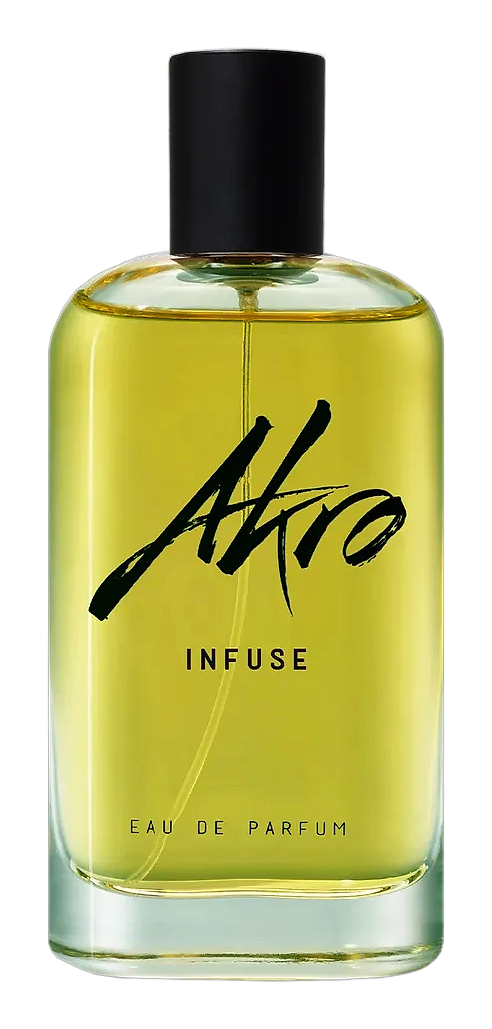
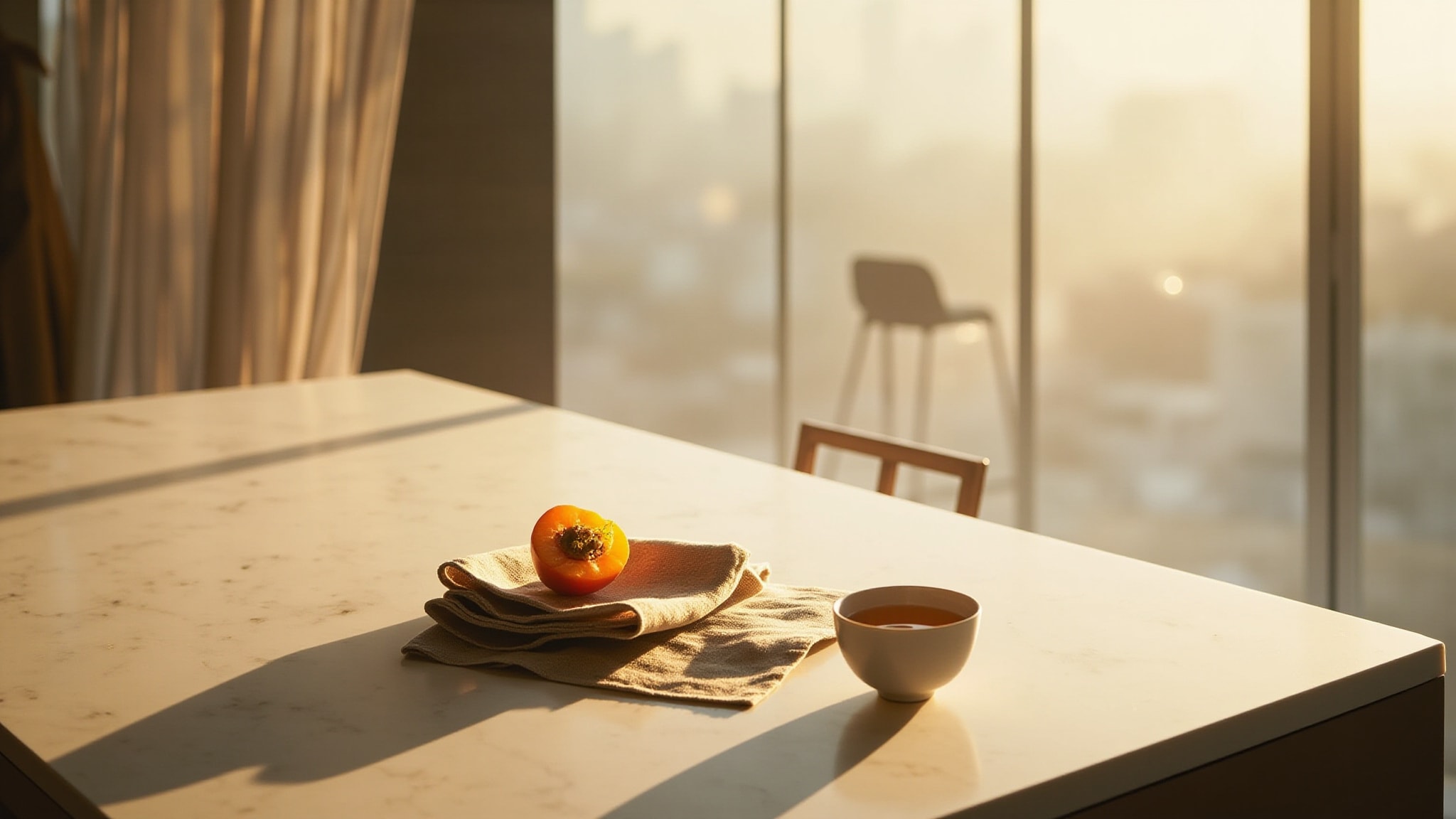
Olivier Cresp built this fragrance around the idea of tea as ritual rather than refreshment. The bitter clarity of Oolong and Mate anchors the composition, creating a meditative quality that elevates tea beyond casual consumption. These notes bring an herbal depth, a quiet intensity that feels deliberate rather than accidental. The osmanthus apricot note arrived to sweeten what could have been too austere, its honeyed fruitiness softening the edges without making the fragrance feel sweet in a conventional sense. The florals (freesia, magnolia) were chosen to soften without making it girlish, their creamy white petals adding a subtle floral lift that never overwhelms the bitter tea heart.
The oolong-mate combination creates an intricate bitter, grassy quality that goes deeper than either note alone. Both bring a certain bitterness, both are herbaceous, but together they achieve a meditative complexity. The osmanthus adds apricot-honey sweetness that feels unexpected, a nuance that rewards attention. The freesia and magnolia add creamy softness that keeps the whole thing from being too austere. The ambroxan base ensures it stays close to the skin, intimate, not projecting. What results is a fragrance that invites you in rather than announcing itself.
The evolution
The opening is bright. Bergamot and Guaiac Wood arrive together, citrus clarity paired with something deeper, almost smoky. Not a typical citrus opening. Then the tea takes over. Mate and Oolong dominate the heart with their bitter, herbal character. The osmanthus adds sweetness, the apricot note appears, and for a moment this feels like it could be a fruity fragrance. But the florals (freesia, magnolia) keep it grounded. Then the hand-off: florals fade, base notes remain. Vetiver and Ambroxan, earthy, warm. The drydown is intimate. What lingers is a quiet, skin-close presence that invites closer inspection.
Cultural impact
Tea fragrances have carved a niche in the broader fragrance landscape, offering an alternative to traditional florals and orientals. This composition captures tea as a subject worthy of artistic exploration, treating it as a sensory experience that invites closer attention rather than casual dismissal. The careful balance of bitter and sweet, herbal and floral, positions this fragrance as something to be appreciated rather than simply worn.