
The Story
Why it exists.
The beginning
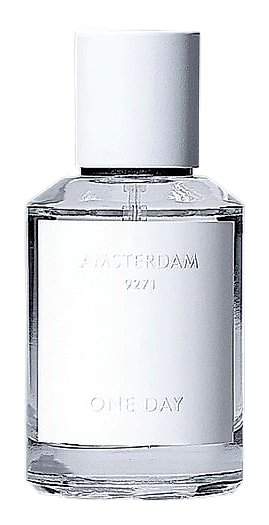
Amsterdam draws from the official description: brick-colored summer days, a canal running through it, a boat cruise through flower fields. One Day treats cities as emotional material, not tourism posters, but the specific feeling of a place. Here, that feeling is lazy summer afternoon on Dutch waterways. A boat-picnic with friends, cold drinks in warm light, the canal reflecting old brick. The scent captures the atmosphere of the destination, not a literal translation of it. Michael Wong designed Amsterdam as part of the brand's city-themed collection. Each fragrance in the lineup represents a specific place, inviting wearers to carry personal or imagined memories through scent. This one translates Amsterdam's summer energy into a wearable composition, bright opening, soft heart, warm base that settles close to the skin.
The note structure is where Amsterdam earns its name. Mint and bergamot at the top create an immediate cooling effect, the smell of moving through air on water. The fig and lily of the valley heart brings green, slightly watery florals that feel distinctly Dutch: garden-meets-canal, botanical but not precious. The lavender, according to wearers, is unusually bright, not the sleepy herb of many compositions, but something cleaner, almost citrus-adjacent. The base of cedar and patchouli grounds everything in warmth. This is the key contrast: an opening that cools, a finish that warms.
The evolution
The opening is mint's show. It arrives sharp, immediate, almost medicinal in its clarity. Bergamot lifts it with a citrus edge that prevents anything harsh. This phase lasts 15-30 minutes before the mint recedes and the heart takes over. The heart is where Amsterdam earns its name. Fig's green, slightly milky quality meets lily of the valley's delicate white florals and lavender's cool, aromatic green. The combination reads as green and fresh without being aquatic, more botanical garden than ocean. This phase carries the next few hours, warm without heaviness. The drydown is where cedar does its work. Patchouli adds earthy depth, musk adds skin-like warmth, and the overall impression shifts from cool to warm. The transition mirrors Amsterdam itself, cool canals, warm brick in summer sun. This phase holds for a solid 4-6 hours on most skin, with the base notes lingering longest. By the end, it smells like skin, not perfume.
Cultural impact
Amsterdam occupies a specific niche within the city-fragrance category, bright, fresh, and unexpectedly versatile. The lavender note is what draws attention, described by wearers as the brightest they've encountered. This makes it stand out from typical aromatic compositions, which often lean into heavier herbal or woody territory. The mint-bergamot opening gives it broad appeal without feeling generic, and the cedar-patchouli base ensures it lasts through a workday rather than disappearing by noon. For those who find most city fragrances too dark or too literal, Amsterdam offers a lighter interpretation that captures atmosphere through contrast rather than replication.